
Fruit leafroller
Neosphaleroptera
Description
How to identify
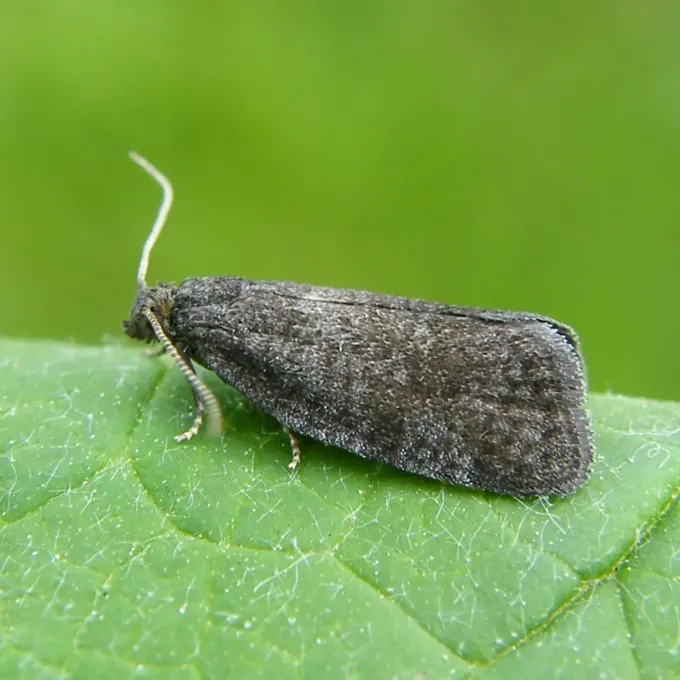
Neosphaleroptera nubilana is a species of moth belonging to the family Tortricidae. These small insects are common pests in many temperate orchards, known for their ability to damage various fruit-bearing trees.
Adult moths have a wingspan ranging from 12 to 16 mm. Their forewings typically exhibit a mottled brownish-grey appearance, which provides excellent camouflage against tree bark during the daylight hours.
The larvae, or caterpillars, are the stage that causes the most damage. They grow to about 10–12 mm in length and are generally a dull greenish or yellowish-green color with a darker, more prominent head capsule.
The larvae are covered in fine, sparse hairs. They possess a habit of dropping from leaves on a silken thread when disturbed, a defense mechanism that helps them evade predation and manual removal.
Pupation takes place within folded or rolled leaves secured by silk webbing. This makes the pupae difficult to detect for growers until significant leaf damage has already occurred.
What it damages
This pest primarily attacks members of the Rosaceae family. The most susceptible hosts include apple, pear, cherry, plum, hawthorn, and mountain ash trees, which are essential in both home and commercial orchards.
Caterpillars emerge in early spring to feed on developing buds. By consuming the inner parts of the buds, they prevent the emergence of healthy blossoms and leaves, leading to immediate yield reduction.
As the season progresses, the larvae feed on young foliage. They use silk to bind leaves together, creating shelters where they feed undisturbed, often consuming entire leaf tissues except for the veins.
Large infestations lead to severe defoliation of the trees. This loss of canopy reduces the tree's ability to photosynthesize, directly impacting fruit quality, sugar content, and the development of next year's fruit buds.
Furthermore, the physical damage created by the larvae creates entry points for secondary infections, such as fungal pathogens, which can exacerbate the tree's health decline over several seasons.
When it appears
The overwintering generation consists of young larvae that remain in protected cocoons in bark crevices. Activity begins as soon as temperatures rise and buds start to swell in the early spring.
The larval feeding phase is the most critical period, lasting throughout the spring. During this time, the larvae grow rapidly, preparing for the transition to the pupal stage as temperatures peak.
Pupation typically occurs in late spring or early summer. The adult flight period follows shortly after, with moths appearing in June and often remaining active through July, depending on the local climate.
After mating, females lay eggs on leaves or bark. These eggs hatch into a new generation of young larvae by late summer, which feed briefly before entering their overwintering stage to survive the cold months.
This moth typically completes one generation per year. However, the timing of life stages can overlap, making continuous monitoring essential for successful pest management throughout the growing season.
Signs of infestation
The first sign of infestation is damaged buds that fail to develop properly. Growers may notice hollowed-out buds surrounded by tiny strands of silk, which are tell-tale indicators of early larval activity.
Rolled or tied leaves are the most recognizable symptom. Upon inspection, these "nests" usually contain a larva or evidence of frass, indicating that the pest is actively feeding within the shelter.
Irregular holes in the leaves are common, as the larvae consume tissue between the veins. In severe cases, the affected foliage turns brown and withers, giving the tree a stunted appearance.
The presence of fine webbing covering the flower clusters is another sign. This webbing can often trap pollen and debris, making the damage more visible upon closer inspection during bloom.
During the dormant season, one can look for the small, camouflaged cocoons tucked into bark cracks on the trunk or main branches, which indicate the potential for a recurring problem in the coming year.
Control measures
Cultural control practices, such as pruning away heavily infested shoots and burning the debris, are highly effective in reducing the larval population during the dormant season.
Maintaining orchard hygiene by clearing dead bark and debris from the base of the trees eliminates prime overwintering sites. Whitewashing trunks can also deter egg-laying by adult females.
Biological control methods, including the use of Bacillus thuringiensis sprays, target the larvae specifically while preserving beneficial predatory insects like ladybirds and lacewings that inhabit the orchard.
Chemical control should be reserved for periods of high pressure and timed according to the phenological stage of the tree. Applying systemic insecticides during the "green tip" phase often yields the best results.
Encouraging biodiversity by providing habitats for insectivorous birds and maintaining hedgerows can help keep the population of Neosphaleroptera below the economic injury level naturally.
Taxonomy
- Latin name
- Neosphaleroptera
- Order
- Lepidoptera (butterflies)
- Family
- Tortricidae
- EPPO code
- NSPHSP
Discussion
No discussions yet — be the first.