
Neoplinthus
Neoplinthus
Description
How to identify
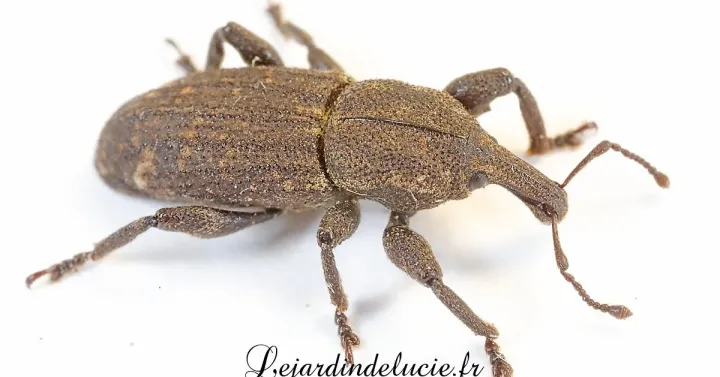
Neoplinthus is a genus of weevils belonging to the Curculionidae family within the order Coleoptera. These insects are characterized by a prominent snout (rostrum) and a robust body, evolved for survival in soil or under bark.
Adults are typically nocturnal, remaining inactive during the day in hidden crevices or within the top layer of the soil. Their coloration is usually dull, providing excellent camouflage against soil, wood, and organic debris.
The larvae are typically C-shaped, legless, and white to yellowish in color. They are specialized for life within plant tissues or the rhizosphere, making them particularly difficult to detect through visual observation alone.
The life cycle follows complete metamorphosis, including egg, larva, pupa, and adult stages. Each stage is adapted to specific microclimatic conditions, ensuring the population's survival across various environmental shifts.
Identification of the genus relies on morphological examination of the rostrum, antennae, and wing covers (elytra). Due to their similarity to other Curculionidae, specialized entomological keys are often necessary for accurate classification.
What it damages
Neoplinthus causes significant mechanical damage to plants. Adults primarily feed on the foliage and buds, causing ragged edges and preventing the healthy development of new shoots and leaves.
The larvae are the most destructive stage, as they feed on the roots and the root collar. This damage inhibits the plant's ability to absorb water and nutrients, leading to yellowing, stunted growth, and death.
Young nursery stock is especially vulnerable to this pest. A single larva can cause the girdling of the stem base, which is often fatal for seedlings and young transplants within a short period.
Beyond direct feeding, the physical damage created by larvae provides entry points for secondary pathogens, such as fungi and bacteria, which can cause root rot and systemic infections in the host plant.
Severe infestations lead to massive plant loss in plantations and gardens. The cumulative effect of root and foliage damage significantly reduces the overall vigor and yield of the agricultural or horticultural crop.
When it appears
Adult activity typically begins in early spring, as temperatures rise, signaling the emergence of overwintering populations. During this time, they engage in intense feeding to regain energy for reproduction.
Summer is the period of peak larval activity. This is when the larvae feed extensively on root systems, causing the most noticeable decline in plant health. Monitoring during this window is crucial for effective intervention.
New adults emerge in the late summer or autumn. They undergo a period of maturation feeding before searching for suitable overwintering sites to survive the cold season.
Overwintering occurs in the soil or within dense plant debris. The ability of the insect to remain dormant under harsh conditions allows the population to persist and recolonize the area effectively each spring.
The lifecycle's timing is heavily influenced by soil temperature and moisture levels, which dictates the windows for preventative and remedial agricultural treatments.
Signs of infestation
The first signs of an infestation often include asymmetrical, scalloped margins on leaves caused by adult feeding. This visual cue indicates that the pests are active in the canopy.
Unexplained wilting of plants, even when soil moisture levels are adequate, is a strong indicator of subterranean larval activity. This suggests the root system has been compromised.
Direct observation of adults can be achieved through nighttime scouting using flashlights. They are often found near the base of the plant or climbing the stems after dusk.
The presence of fine, frass-like material at the base of the plant or around the roots indicates feeding activity. Checking the soil around the root collar can often reveal larvae or tunnel markings.
If an infested plant becomes loose in the soil and can be easily tilted, it is a definitive sign of severe root system damage. This happens because the larvae have destroyed the lateral roots that anchor the plant.
Control measures
Cultural control measures, such as deep soil cultivation in the autumn, help disrupt the lifecycle by exposing larvae and pupae to predators and adverse weather conditions.
Biological control using entomopathogenic nematodes or fungi has shown significant success in targeting the soil-dwelling larvae without the use of harsh chemicals.
Chemical control involving systemic or contact insecticides should be applied based on the specific pest's emergence schedule to ensure maximum efficacy and minimal environmental impact.
Sticky bands or mechanical barriers on the stems of woody plants can prevent adults from ascending, protecting the foliage from further damage and reducing their reproductive success.
Maintaining sanitary practices, such as removing dead plant material and weeds, reduces the available habitats for overwintering, thereby lowering the pest pressure for the following growing season.
Taxonomy
- Latin name
- Neoplinthus
- Order
- Coleoptera (beetles)
- Family
- Curculionidae
- EPPO code
- NPLISP
Discussion
No discussions yet — be the first.