
Naupactus dissimulator
Naupactus dissimulator
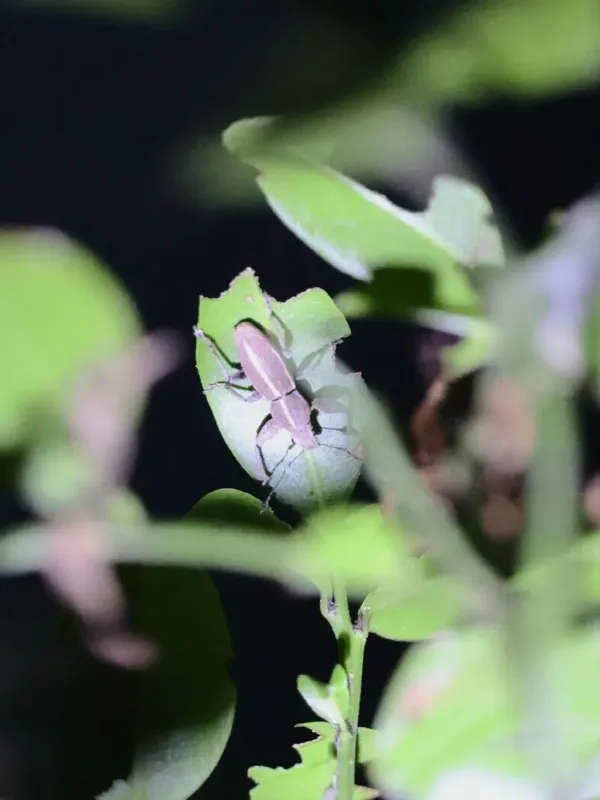
Description
How to identify
Naupactus dissimulator is a species of broad-nosed weevil belonging to the Curculionidae family. It is recognized as a significant agricultural pest that presents challenges in various regions.
The adult weevils typically measure between 10 and 12 mm in length. Their coloration, ranging from grey to brownish with subtle patterns, acts as camouflage against the bark of host plants.
The larvae, which are the most destructive stage, are apodous (legless), fleshy, and white-colored with a brown head. They are specialized for a subterranean life cycle, living within the soil profile.
The life cycle involves complete metamorphosis: egg, larva, pupa, and adult. The emergence of adults often coincides with the onset of the growing season when temperatures rise.
This species is highly adaptable and can be transported easily via nursery stock, making it a critical concern for quarantine services in international trade.
What it damages
Naupactus dissimulator is a generalist feeder (polyphagous), known to infest a wide array of crops including citrus, grapes, and various ornamental and fruit trees.
The damage caused by larvae is severe, as they feed on the root cortex, effectively girdling the roots. This feeding activity disrupts the transport of water and nutrients to the canopy.
Adults feed on the foliage of host plants, causing characteristic notch-like patterns along the margins of the leaves. While less damaging than larval feeding, heavy adult infestations can lead to significant defoliation.
The cumulative effect of root destruction and leaf feeding results in reduced plant vigor, poor fruit set, and increased susceptibility to secondary infections and environmental stress.
In orchards and vineyards, heavy infestations can lead to the loss of entire trees, resulting in significant economic consequences for commercial growers.
Signs of infestation
One of the primary indicators of infestation is sudden wilting or yellowing of the foliage, especially during peak heat hours, which suggests a compromised root system.
Observation of the leaves often reveals semi-circular notches along the edges, which is a classic symptom of adult weevil feeding activity during the night.
In the soil, the presence of larvae can be confirmed by excavating the root zone. Damaged roots will often show signs of scarring and feeding channels caused by the developing larvae.
Stunted growth and a general lack of vigor in plants compared to neighbors in the same field are often linked to localized root damage from this pest.
Increased fruit drop or an unusually small fruit size during the harvest period can indicate that the root system is failing to support the plant's production needs.
Control measures
Management strategies require an integrated pest management (IPM) approach to address both the soil-dwelling larvae and the foliage-feeding adult populations.
Biological control using entomopathogenic nematodes, such as Heterorhabditis bacteriophora, has proven to be an effective method for targeting larvae in the soil.
Cultural practices like maintaining clean cultivation, regular soil tilling to disturb larval development, and ensuring optimal irrigation can enhance plant resilience.
Chemical control involving systemic insecticides is often used when adult populations reach a predetermined economic threshold, targeting them before they lay eggs.
- Regular monitoring using light traps to track adult emergence periods.
- Use of protective barriers or soil treatments for new nursery plantings.
- Sanitation in the orchard to remove debris that could harbor adult stages.
Taxonomy
- Latin name
- Naupactus dissimulator
- Order
- Coleoptera (beetles)
- Family
- Curculionidae
- EPPO code
- NAUPDM
Discussion
No discussions yet — be the first.