
Naupactus bondari
Naupactus bondari
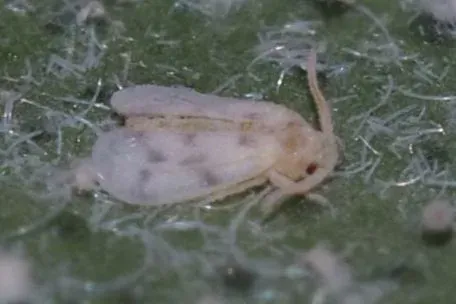
Description
How to identify
Naupactus bondari is a species of weevil belonging to the Curculionidae family, known for its significant impact on agricultural and horticultural crops.
The adult insect is a beetle with a typical snout-nosed appearance, colored in muted brown or grey shades, which allows it to camouflage effectively against tree bark.
The larvae are white, legless, and reside primarily in the soil. They are equipped with powerful mouthparts capable of damaging tough root tissues, which makes them highly destructive.
The lifecycle follows a complete metamorphosis: eggs are laid near the host plant, followed by a soil-dwelling larval stage, pupation, and the emergence of adults that feed on foliage.
These insects are predominantly nocturnal, which means that during the day, they remain hidden in leaf litter or cracks in the bark, making them difficult to detect during daylight hours.
What it damages
The primary damage is caused by the subterranean larvae, which consume the fine root systems of citrus trees and soybean plants. This weakens the plant's ability to uptake water and nutrients.
In mature citrus orchards, severe larval infestation can lead to tree decline, yellowing of foliage, reduced fruit quality, and, in cases of extreme pressure, the death of the tree.
In soybean crops, the damage to roots leads to stunted growth, nutrient deficiency symptoms, and decreased yield potential, as the plants struggle to survive environmental stressors.
Adult beetles contribute to the damage by feeding on foliage, creating distinctive semi-circular notches along the edges of leaves, which can reduce the total photosynthetic area.
The synergy between larval root damage and adult foliage consumption creates a cumulative negative impact that can significantly reduce the overall vitality and economic value of the crop.
Signs of infestation
The most visible sign of an adult Naupactus bondari infestation is the presence of semi-circular notches on leaf margins, often referred to as "notching damage."
The sudden onset of foliage chlorosis (yellowing) and general plant decline often indicates that the larvae are severely compromising the root system underground.
By inspecting the soil around the base of the plant or during field cultivation, one may find white, C-shaped larvae, which is a definitive indicator of the pest's presence.
Decreased fruit size and yield in orchards are common, often appearing as a delayed response to the larval damage that occurred during previous growing seasons.
During the night, using a flashlight to inspect the canopy of citrus trees can reveal the presence of adult beetles actively feeding on the leaves.
Control measures
Managing Naupactus bondari requires an integrated approach that targets both the soil-dwelling larval stages and the canopy-dwelling adult beetles.
- Utilizing entomopathogenic nematodes to control larvae in the soil environment effectively.
- Applying systemic or contact insecticides when adults emerge from the soil to prevent them from laying eggs.
- Using sticky or mechanical barriers on tree trunks to prevent adult beetles from ascending to the canopy.
- Implementing cultural practices such as soil cultivation to disturb the life cycle and disrupt pupation zones.
- Employing biological control agents like Beauveria bassiana or Metarhizium anisopliae as soil drenches.
Effective control relies on precise timing. Monitoring programs using light or pheromone traps can help predict when adult emergence occurs, allowing for targeted insecticide applications.
In large-scale operations, combining biological and chemical methods provides the most sustainable defense against this resilient pest, ensuring the protection of the root system and plant health.
Taxonomy
- Latin name
- Naupactus bondari
- Order
- Coleoptera (beetles)
- Family
- Curculionidae
- EPPO code
- NAUPBO
Discussion
No discussions yet — be the first.