
Myrmecophilus acervorum
Myrmecophilus acervorum
Description
How to identify
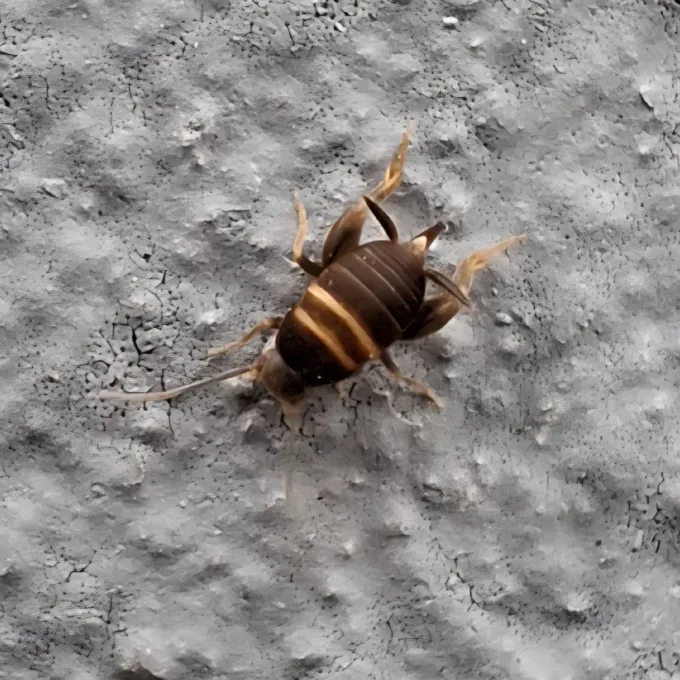
Myrmecophilus acervorum, commonly known as the ant-loving cricket, is a small insect belonging to the order Orthoptera. It is morphologically adapted to live within ant colonies.
The adult insect is minute, typically measuring between 3 to 5 millimeters in length. It possesses a rounded, wingless body with powerful hind legs for jumping, which helps it escape threats quickly.
These insects exhibit cryptic coloration ranging from light brown to dark brown, allowing them to blend seamlessly into the debris and soil of ant nests.
They lack the auditory and stridulatory organs typical of crickets, making them effectively silent inhabitants of the nests they occupy.
Identification is usually confirmed by finding them in close association with ant colonies, particularly in warm, sheltered environments such as under stones or in greenhouse soil.
What it damages
The damage caused by Myrmecophilus acervorum is primarily indirect, centered on its symbiotic relationship with ant colonies that support aphid populations.
By promoting the stability of ant nests, this insect facilitates the protection and dispersal of aphids, which suck sap from stems and leaves, causing significant crop loss.
In greenhouse settings, larvae may occasionally feed on fine root hairs or organic matter near the root zone, leading to nutrient uptake issues and stunted growth of young plants.
The constant activity within the soil structure can disrupt the root environment, creating pathways for secondary fungal infections that compromise plant vigor.
Although they do not consume foliage directly, their presence is an indicator of poor habitat management, which creates a favorable environment for a suite of other secondary pests.
Control measures
Controlling this species requires a focus on habitat modification rather than direct insecticide application, as they reside primarily within protected ant colonies.
Regular soil disturbance, such as tilling and cultivation, is highly effective at disrupting the nest structures where these crickets reproduce and seek refuge.
Implementing biological controls, specifically entomopathogenic fungi, provides a safe and targeted method to reduce both ant and ant-cricket populations without harming crops.
Maintaining a clean, weed-free field or greenhouse perimeter prevents the establishment of the ant colonies that host these crickets, thereby reducing the risk of infestation.
Monitoring for signs of ant activity is the first step in integrated pest management to prevent the colonization of Myrmecophilus acervorum in commercial planting areas.
Taxonomy
- Latin name
- Myrmecophilus acervorum
- Order
- Orthoptera (locusts)
- Family
- Myrmecophilidae
- EPPO code
- MRMPAC
Discussion
No discussions yet — be the first.