
Coypu
Myocastor
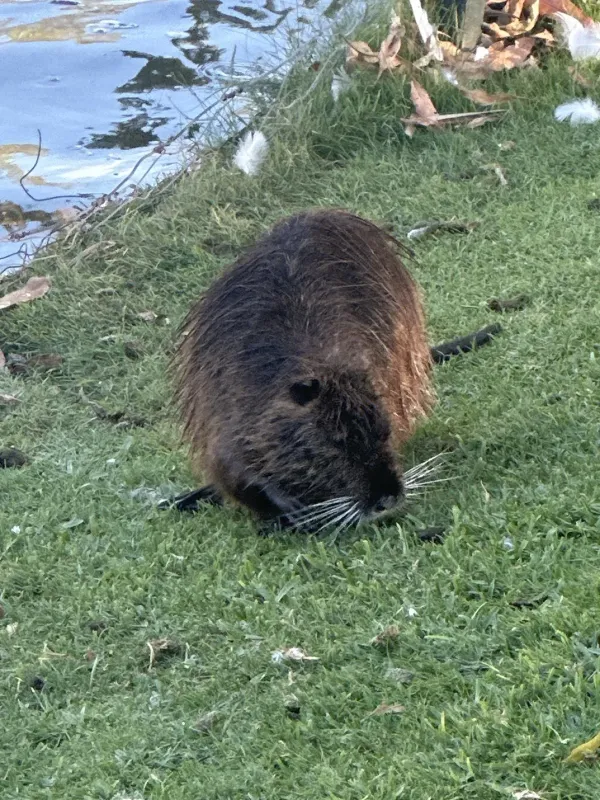
Description
How to identify
The coypu (Myocastor coypus), also known as the nutria, is a large, semi-aquatic rodent native to South America that has become an invasive pest globally.
They are characterized by their robust bodies, orange incisors, and long, rat-like tails, reaching weights between 5 and 9 kilograms when fully grown.
Coypus are prolific breeders; a single female can produce multiple litters per year, which allows their populations to explode rapidly in favorable environments.
These rodents are primarily nocturnal but can be seen during the day in areas with minimal human disturbance or high population density.
They are highly adapted to aquatic habitats, possessing webbed hind feet that make them excellent swimmers and efficient colonizers of irrigation systems.
What it damages
Coypus cause significant damage to agriculture by consuming large quantities of plant material, especially along the banks of rivers and irrigation channels.
Primary crops affected include corn, sugar beets, sunflowers, and various cereals grown in lowland or near-water environments.
In vegetable gardens, they are known to dig up and consume root vegetables such as carrots and potatoes, often causing total destruction of small plots.
Beyond feeding, their burrowing behavior undermines the structural integrity of riverbanks, dams, and irrigation canals, leading to severe erosion and flooding.
They also strip the bark from trees and shrubs, which can kill young orchard saplings and damage protective vegetative belts around agricultural fields.
Signs of infestation
One of the most obvious signs is the presence of "feeding platforms" or areas where vegetation has been cut down to the water or ground level.
Well-defined trails leading from the water into adjacent fields are clear indicators that a colony is actively foraging in the area.
The presence of burrow entrances in the banks of ponds or canals is a definitive sign of an established coypu colony on your property.
Distinctive teeth marks on leftover plant matter and scattered droppings along the water’s edge confirm the presence of this invasive rodent.
Noises such as splashing or high-pitched squeaks during the night often betray the presence of these animals in nearby aquatic habitats.
Control measures
Exclusion is the most effective long-term strategy, which involves installing wire mesh fencing deep enough into the ground to prevent tunneling.
Trapping programs using cage traps can effectively reduce local numbers; however, this should be done in compliance with local wildlife regulations.
Habitat modification, such as removing dense shoreline vegetation, reduces the suitability of the area for nest building and limits cover for the rodents.
In some regions, agricultural managers use repellents or ultrasonic devices to deter coypus from entering specific high-value crop areas.
- Install robust, deep-buried fences.
- Regularly inspect canal and dam walls for tunnels.
- Coordinate with local authorities for pest management.
Taxonomy
- Latin name
- Myocastor
- Order
- Rodents
- Family
- Myocastoridae
- EPPO code
- MYOCSP
Discussion
No discussions yet — be the first.