
Myllocerus transmarinus
Myllocerus transmarinus
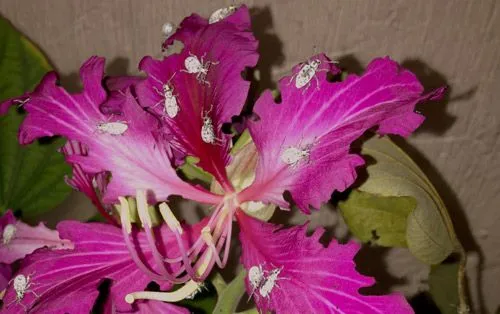
Description
How to identify
Myllocerus transmarinus is a species of weevil belonging to the family Curculionidae and the order Coleoptera. Like many other weevils, it features a distinct snout that allows it to feed on plant tissues, often reaching protected parts of the plant.
Adult beetles are relatively small and characterized by a cryptic coloration that blends in perfectly with the foliage. Their bodies are covered with fine scales, which may change in appearance depending on environmental moisture levels.
The larvae are typically soil-dwelling and have a C-shaped, legless, cream-white appearance. This stage is specialized for consuming root systems, making them largely invisible during the early stages of infestation.
The life cycle involves complete metamorphosis, covering the egg, larva, pupa, and adult stages. The species shows significant adaptability to different environmental conditions, allowing it to survive in various agricultural landscapes.
As part of the Entiminae subfamily, these weevils are well-adapted to both above-ground and below-ground feeding habits. Their systematic classification highlights a broad host range, increasing their potential risk to diverse cropping systems.
What it damages
This pest causes damage to a variety of crops, including fruit trees, vegetables, and ornamental plants. The primary damage is inflicted by larvae, which feed on root systems, weakening the plant's structural integrity and water uptake capacity.
Adult beetles feed on the leaves, creating characteristic notches along the margins, often referred to as "leaf-notching." High populations can lead to severe defoliation, which negatively affects the photosynthetic rate of the crop.
Young seedlings are particularly vulnerable, as larval root feeding can lead to rapid wilting and plant death. This early-stage damage often goes unnoticed until the plant is already severely compromised.
In addition to direct physical damage, the wounds created by the feeding activities of the weevils serve as entry points for secondary fungal and bacterial pathogens.
The economic impact is most pronounced in commercial nurseries and high-density planting areas where the loss of plant health can directly translate to reduced market value and yield loss.
When it appears
Adult activity typically begins in the spring, as temperatures rise, signaling the end of the winter dormancy period. This is when mating and egg-laying occur, marking the start of the primary infestation season.
Eggs are deposited in the soil near the plant base or on the lower parts of the stem. Upon hatching, the larvae move into the soil to begin their feeding cycle on the plant's root system, which continues throughout the summer months.
Most individuals overwinter in the larval stage deep within the soil profile, providing them with protection against fluctuating winter temperatures. Some adults may also overwinter in protected debris.
A second flush of adult activity may occur in late summer or early autumn, depending on local climate conditions and available food sources.
Environmental factors, particularly humidity and soil moisture, play a crucial role in the survival rate of the larvae. High rainfall seasons often correlate with increased population densities of this pest.
Signs of infestation
The most recognizable symptom is the presence of irregular, semi-circular notches along the edges of leaves, caused by the feeding of adult weevils.
Sudden wilting or chlorosis of the foliage, especially in young plants, is a strong indicator of significant root damage caused by larvae.
Exposing the roots by digging into the soil often reveals the cream-colored larvae, providing direct confirmation of an infestation.
Adult weevils are often found resting on the underside of leaves or hiding in leaf axils during the cooler parts of the day, as they are often nocturnal or crepuscular.
Reduced vigor and stunted plant growth that does not respond to standard fertilization or irrigation practices are secondary signs of root-feeding pressure.
Control measures
Integrated Pest Management (IPM) is essential for controlling this pest. Cultivation practices such as deep plowing help disturb the soil and expose overwintering larvae to predators and desiccation.
Crop rotation is a highly effective strategy to break the life cycle of the weevil by removing their preferred host plants from the infested area for a full season.
Biological control agents, such as entomopathogenic nematodes or fungi like Beauveria bassiana, can be applied to the soil to significantly reduce larval populations without chemical residues.
Chemical control, if necessary, should be timed to coincide with the emergence of adult beetles to prevent further leaf damage and subsequent egg-laying.
- Utilize pheromone traps for early detection and population monitoring.
- Control weeds that serve as alternative hosts during the off-season.
- Ensure rigorous quarantine and inspection of new nursery stock to prevent introduction.
Taxonomy
- Latin name
- Myllocerus transmarinus
- Order
- Coleoptera (beetles)
- Family
- Curculionidae
- EPPO code
- MYLLTR
Discussion
No discussions yet — be the first.