
Myllocerus discolor
Myllocerus discolor
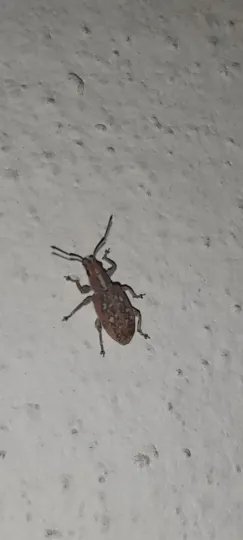
Description
How to identify
Myllocerus discolor is a species of weevil (family Curculionidae) within the order Coleoptera. Adult beetles are small, typically ranging from 5 to 7 mm in length, and possess the distinctive oval body shape characteristic of many weevil species.
The coloration of the insect is highly variable, usually ranging from gray to brown, often featuring mottled dark patterns on the elytra (wing covers). This camouflage makes it extremely difficult to detect on soil surfaces or among plant debris during routine scouting.
The head of the insect is extended into a short, broad snout, which is a key diagnostic feature. The larvae, which develop in the soil, are legless, creamy-white grubs with well-developed, sclerotized brown heads suited for feeding on plant roots.
The life cycle undergoes complete metamorphosis, including egg, larval, pupal, and adult stages. Adult weevils are capable of flight and are highly mobile, allowing them to rapidly colonize new areas when environmental conditions are favorable.
Reproduction occurs throughout the growing season, and in warmer regions, multiple generations can occur annually. The rate of development is highly dependent on ambient temperature and soil moisture levels, which dictates the intensity of the pest outbreak.
What it damages
This pest is a significant polyphage known to attack a diverse range of crops, including cotton, citrus, various legumes, cereals, and many ornamental plants. Its broad host range makes it a difficult pest to manage in mixed agricultural landscapes.
Adult weevils primarily damage the aerial parts of plants by feeding on leaves and young buds. They create irregular, notched patterns along the leaf margins, which reduces the photosynthetic area and weakens the overall vitality of the crop.
The larval stage is considered the most destructive, as it develops underground. The grubs feed extensively on the roots of young seedlings, disrupting the plant's ability to take up water and nutrients, which often leads to severe stunting or death.
Economic damage is manifested through reduced yield and quality of the harvest. Furthermore, weakened plants become highly susceptible to secondary infections, such as root rot and other fungal diseases, which can spread quickly across the field.
In nurseries and orchards, this pest can cause catastrophic losses by attacking the primary root systems of young saplings, preventing them from establishing properly and leading to high mortality rates shortly after planting.
Signs of infestation
The first observable sign of infestation is the characteristic notched appearance of leaf margins. Because the adults are predominantly diurnal feeders, they can often be observed on the undersides of leaves during the early morning hours.
Symptoms of larval damage include patches of yellowing or wilting plants that occur despite adequate moisture availability. If suspected, digging up the soil around the base of the plant will often reveal the presence of creamy-white larvae.
Severe infestations lead to extensive defoliation, where only the vascular tissue of the leaves remains. This reduction in canopy health results in a noticeable drop in overall plant vigor and a significant delay in the developmental stages of the crop.
Monitoring the fields is essential, particularly during the transition from the larval to the adult stage. The presence of fecal pellets on the foliage and the sudden decline of plant health in specific zones are clear indicators of a Myllocerus discolor problem.
Using yellow sticky traps is a common and effective method for detecting the presence of migrating adults. Regular monitoring helps in determining the appropriate timing for chemical or biological interventions before the pest population reaches damaging thresholds.
Control measures
Effective management of Myllocerus discolor requires an integrated pest management (IPM) approach. Cultural practices, such as crop rotation, are fundamental in disrupting the life cycle by removing the preferred host crops for consecutive seasons.
Mechanical control measures, including deep plowing and thorough soil cultivation during the pupation stage, can help destroy the dormant larvae and pupae residing in the soil profile, thereby significantly reducing the next generation's population.
Chemical control usually involves the application of systemic or contact insecticides. Treatments are most effective when applied during the peak emergence of adults to minimize foliage damage and prevent the onset of egg-laying in the soil.
Biological control, utilizing entomopathogenic fungi or specialized nematodes, offers an environmentally friendly alternative, particularly for controlling the subterranean larval stages that are often protected from conventional foliar sprays.
- Implement strict crop rotation with non-host species.
- Maintain fields free of weeds that serve as alternative hosts.
- Use high-quality systemic seed treatments to protect young seedlings.
- Conduct consistent field scouting and use pheromone or sticky traps.
Taxonomy
- Latin name
- Myllocerus discolor
- Order
- Coleoptera (beetles)
- Family
- Curculionidae
- EPPO code
- MYLLDI
Discussion
No discussions yet — be the first.