
Schreiber's long-fingered bat
Miniopterus schreibersii
Description
How to identify
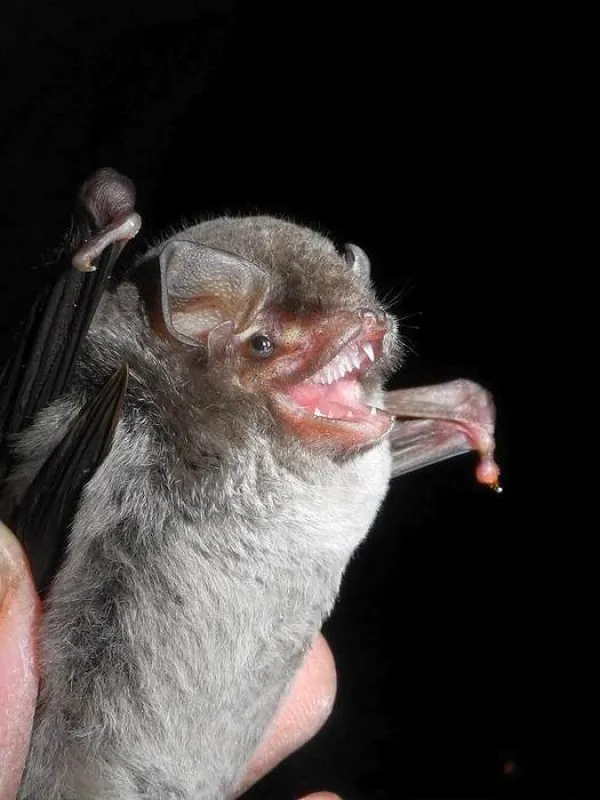
Schreiber's long-fingered bat (Miniopterus schreibersii) belongs to the order Chiroptera and the Miniopteridae family. It is a mammal, not a plant-eating pest.
This bat is identified by its long, narrow wings, which allow for rapid, agile flight. Its coat typically ranges from greyish to reddish-brown, helping it blend into its roosting environment.
As a nocturnal creature, it relies on echolocation to navigate and capture prey. Agronomists should distinguish this species from insect pests that cause economic damage to crops.
The species usually dwells in caves and forms large colonies. Their presence in agricultural areas indicates a healthy, functioning ecosystem that supports natural biological control.
This bat is of great ecological importance, and its identification as a pest is scientifically incorrect and contrary to sustainable agricultural practices.
What it damages
This species does not cause any damage to plants, trees, or crops. It is an obligate insectivore, meaning it feeds exclusively on insects throughout its life cycle.
Their diet includes a variety of flying insects, such as moths, beetles, and midges, many of which are known agricultural pests that can threaten crop yields.
There are no recorded instances of this bat species biting or damaging any parts of agricultural plants. It does not possess the biology required to consume plant tissues.
The presence of Schreiber's long-fingered bats is beneficial for farmers as they perform natural pest control by consuming thousands of insects nightly, effectively reducing the need for chemical sprays.
In essence, this bat is an ally to the farmer. Protecting their populations contributes to the long-term health and sustainability of the surrounding agricultural land.
Control measures
There is no reason to control or eliminate this species. In fact, most jurisdictions strictly protect Schreiber's long-fingered bats due to their ecological role and decreasing population numbers.
Farmers should implement conservation practices to support these bats. Providing suitable habitats or protecting nearby cave systems helps maintain high levels of natural pest suppression.
If these animals are found in storage barns or outbuildings, non-lethal exclusion methods are recommended. Simple modifications like sealing specific entry points during non-breeding seasons are effective.
Avoid the use of toxic pesticides in areas where these bats forage. Chemical contamination can lead to secondary poisoning, which negatively impacts the local population of these beneficial insectivores.
Integrating habitat management into farm planning encourages natural biological control, which serves as a cornerstone of modern, environmentally friendly integrated pest management (IPM) strategies.
Taxonomy
- Latin name
- Miniopterus schreibersii
- Family
- Miniopteridae
- EPPO code
- MINISC
Discussion
No discussions yet — be the first.