
Long-fingered bat
Miniopterus
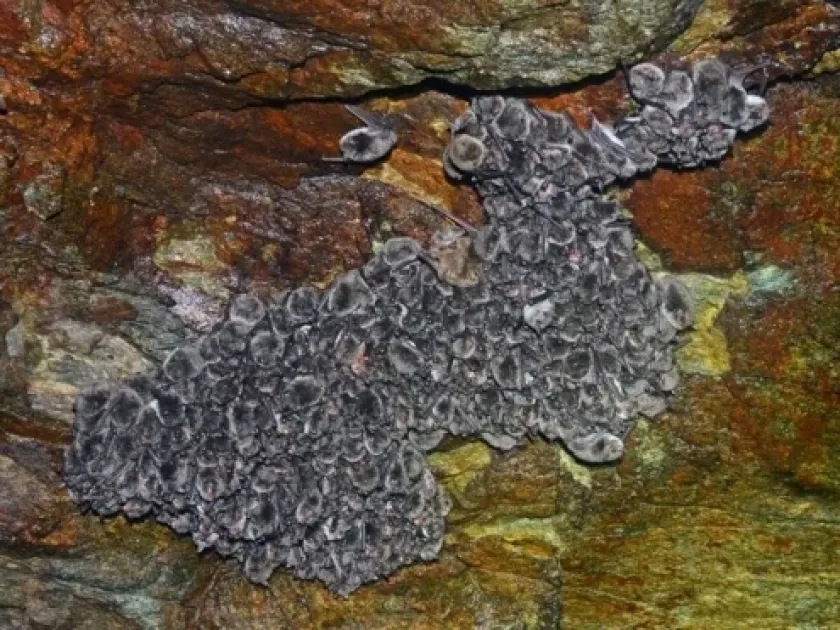
Description
How to identify
The genus Miniopterus, commonly known as the long-fingered bats, belongs to the order Chiroptera and the family Miniopteridae. They are distinguished by the extreme length of the second phalanx of the third finger, which allows for their unique wing folding mechanism.
These bats are generally small, with dense fur and a characteristic short snout. They are highly adept at swift, maneuverable flight, allowing them to capture insects efficiently in various habitats, including edges of cultivated lands.
It is critical to note that long-fingered bats are not plant pests. They are strictly insectivorous mammals and have no biological interest in consuming plant tissues or seeds.
In agricultural science, they are classified as beneficial wildlife. They serve as natural biological control agents by consuming vast quantities of night-flying insects, many of which are known agricultural pests.
There is no scientific basis to classify this genus as a threat to horticulture or field crops. They are valuable allies that help maintain the ecological balance within the agroecosystem.
What it damages
Long-fingered bats do not cause damage to agricultural crops. They possess no morphological structures or digestive capabilities to consume or harm plant matter, such as fruits, stalks, or leaves.
Unlike some tropical fruit bats, the genus Miniopterus relies entirely on an insect-based diet. Their feeding habits are confined to capturing flying insects during the night.
The impact of these bats on agriculture is beneficial. They actively forage for moths, beetles, and other nocturnal pests that damage crops, providing a free ecosystem service to farmers.
No agricultural damage has ever been linked to the activities of these mammals. Any reports of crop loss should be attributed to actual insect pests, diseases, or environmental stressors.
In summary, these bats are entirely harmless to agricultural production and should be viewed as natural partners in pest management programs.
Control measures
There are no control measures required for the long-fingered bat, as they do not pose a threat to plant health. Furthermore, many species of Miniopterus are protected by environmental laws.
Farmers should avoid any actions that would harm these bats. The use of broad-spectrum pesticides that may impact their insect food supply should be minimized to ensure the health of the bat population.
Maintaining habitats near farmland is highly encouraged. A healthy population of long-fingered bats can significantly reduce the need for chemical pest control by keeping insect populations in check.
Integrated Pest Management (IPM) guidelines advocate for the preservation of these natural predators. Their presence is a sign of a balanced and healthy agricultural environment.
The best practice for agronomists is to ensure that agricultural activities remain compatible with the survival of these beneficial nocturnal insect-hunters.
Taxonomy
- Latin name
- Miniopterus
- Family
- Miniopteridae
- EPPO code
- MINISP
Discussion
No discussions yet — be the first.