
Tatra vole
Microtus tatricus
Description
How to identify
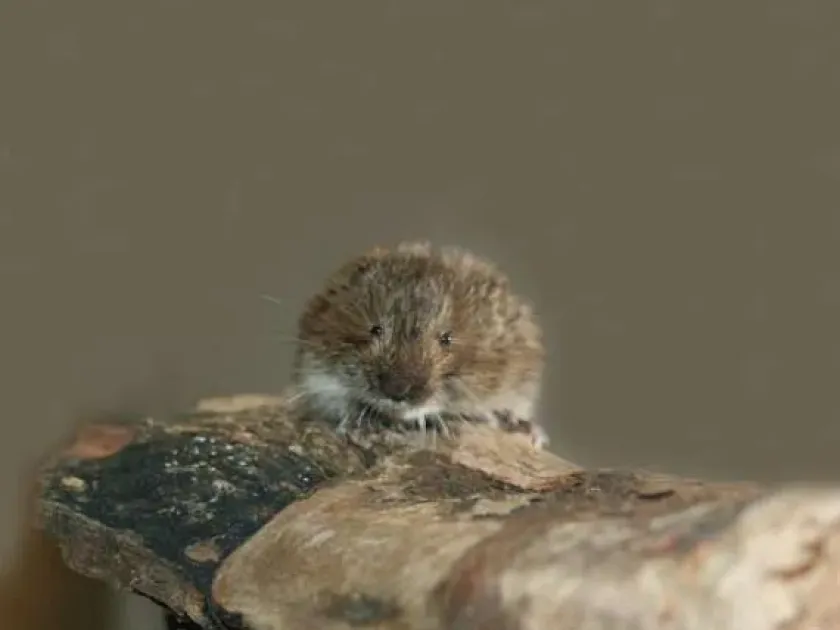
The Tatra vole (Microtus tatricus) is a small rodent belonging to the Cricetidae family. It is a highly specialized species primarily found in the Carpathian mountain regions.
Physical identification involves observing its dark, dense fur and relatively small size compared to lowland species. Its morphological features allow it to thrive in high-altitude, damp environments.
These rodents are predominantly terrestrial and show a strong preference for habitats with dense vegetation. They are adept at creating networks of burrows that serve as shelter and nesting sites.
The biological cycle of the Tatra vole is sensitive to humidity and thermal fluctuations. Their behavior is geared towards energy conservation during the cold mountain winters.
Population density can fluctuate significantly depending on the season and resource availability. Understanding these patterns is essential for effective farm management in areas near their natural habitats.
What it damages
Tatra voles cause agricultural damage by consuming various plant parts. They target grasses, cereal crops, and the roots of young trees, which often leads to significant economic loss.
Damage to the root system is particularly detrimental, as it causes plants to wilt and die prematurely. This often occurs in patches, creating holes in crop fields that are difficult to harvest.
During the winter, when food sources are scarce, these voles turn to bark consumption. By gnawing on the bark of young fruit or forest trees, they can ring-bark them, leading to total mortality.
On cereal fields, they impact yield not only by eating the crop but also by trampling the vegetation. Their burrowing activity further complicates field management and disrupts soil integrity.
The presence of voles also poses sanitary risks, as they can serve as vectors for various zoonotic diseases, affecting both livestock and the broader rural ecosystem.
When it appears
The seasonal activity of the Tatra vole follows a distinct annual rhythm. While they remain active throughout the year, their peak impact occurs during the peak vegetative period.
In spring, as temperatures rise, the voles emerge from winter hibernation or limited activity to begin their reproductive cycle. This is the period when seedlings are most vulnerable.
Summer is characterized by rapid population growth and expansion into new foraging grounds. They exploit the lush vegetation found in agricultural fields surrounding their native ranges.
Autumn is marked by intense feeding and preparations for the colder months. Voles concentrate their efforts on storing food resources within their subterranean burrow systems.
Winter activity continues beneath the snow cover. If snow cover is consistent, they continue to feed and reproduce, which is why monitoring should not stop even during winter months.
Signs of infestation
The most prominent sign of infestation is the presence of burrow entrances, typically ranging from 3 to 5 cm in diameter. These are often connected by clear, well-worn surface runways.
Signs of active feeding, such as freshly clipped grass blades or chewed roots, are clear indicators. In infested fields, one may observe patches of withered or dying vegetation.
Gnaw marks on the base of trees or shrubs provide diagnostic evidence of vole activity during colder periods. These marks are usually found near the ground level.
Surface droppings near burrow openings confirm the species' presence. Accumulations of these droppings are often found along the runways that connect different burrows.
Auditory signs, such as squeaks and rustling in the undergrowth during twilight hours, often suggest a large colony is occupying the immediate vicinity of the field.
Control measures
Effective control of the Tatra vole requires a strategic combination of cultural and chemical interventions. Regular field surveys are the foundation of any management program.
Cultural methods focus on habitat modification. Keeping field margins clear of high grass and debris reduces the availability of cover, forcing the voles to relocate to more secure areas.
Biological controls involve fostering the presence of natural predators. Providing nesting boxes and perches for raptors can significantly naturally suppress the vole population over time.
Chemical control (rodenticides) should be used as a last resort and strictly according to local regulations. Bait must be applied deep within burrows to minimize the risk of poisoning other animals.
- Implement regular soil cultivation to destroy burrow systems.
- Promote biodiversity to encourage local predator populations.
- Maintain clean field borders to eliminate vole refuges.
Taxonomy
- Latin name
- Microtus tatricus
- Order
- Rodents
- Family
- Muridae
- EPPO code
- MICRTA
Discussion
No discussions yet — be the first.