
Eucalyptus shot-hole borer
Microperus eucalypticus
Description
How to identify
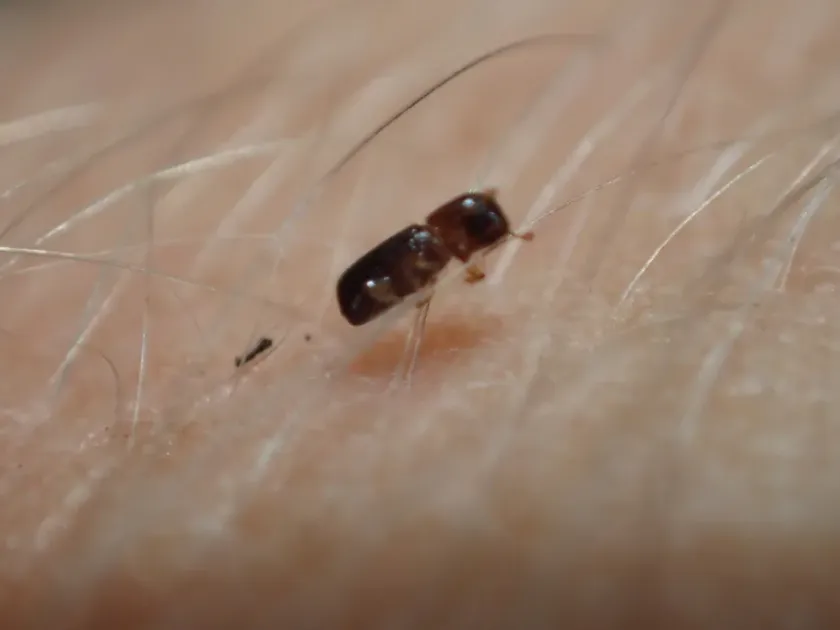
The eucalyptus shot-hole borer (Microperus eucalypticus) is a member of the Curculionidae family, specifically the Scolytinae subfamily. These small beetles are specialized wood-borers.
Adults exhibit a cylindrical body shape, optimized for creating tunnels within dense woody tissue, typically characteristic of the Xyleborini tribe.
Larvae are white, legless, and possess strong mandibles adapted for excavating galleries deep within the host plant's wood structure.
The species is often found in association with symbiotic fungi, which the beetles carry into their tunnels to provide nutrients for their larvae.
Accurate identification usually requires microscopic analysis of adult specimens, focusing on their specific morphological features and tunnel structure.
What it damages
This pest targets various species within the Eucalyptus genus, often posing a threat to both plantation and ornamental trees.
The primary damage occurs as beetles bore into the sapwood and heartwood, disrupting the tree’s vascular system and nutrient transport.
The entry of these beetles facilitates the colonization of the tree by secondary fungal pathogens, which further weaken the host.
Structural damage to the wood significantly reduces the timber quality, rendering it unsuitable for commercial processing or construction purposes.
In cases of heavy infestation, the cumulative stress often leads to crown dieback and the eventual death of the affected trees.
When it appears
The lifecycle of the beetle is significantly influenced by climate, with peak activity occurring during warm and dry periods.
Adult females initiate the search for new hosts by detecting volatiles emitted by trees that are under water or environmental stress.
Multiple generations can occur within a single year, provided that temperatures remain optimal for larval development and beetle maturation.
Overwintering typically happens within the wood galleries, which provides a stable environment against harsh temperatures and external environmental fluctuations.
Understanding the flight period is essential for timing preventative measures and applying protective treatments effectively.
Signs of infestation
The most prominent sign is the presence of tiny entry holes on the bark, frequently accompanied by fine frass (wood dust) accumulating at the base of the tree.
Affected trees may show symptoms of water stress, including wilting, chlorosis (yellowing of leaves), and gradual thinning of the canopy.
In some cases, the tree may exude excessive gum or resin from the entry holes as a defensive mechanism to repel the invaders.
Peeling back the bark may reveal the complex network of galleries constructed by the beetle, often stained by symbiotic fungi.
Continuous infestation leads to severe bark necrosis and may cause branches to snap due to the weakened structural integrity of the wood.
Control measures
Good silvicultural practices are the first line of defense, including adequate irrigation and soil management to maintain high tree vigor.
Prompt identification and removal of heavily infested material are crucial to reducing the local population and preventing further spread.
Monitoring with pheromone-based traps is highly recommended to track population surges and determine the precise timing for insecticide applications.
Systemic insecticides, applied via trunk injection, can be an effective control method for high-value individual trees in urban landscapes.
Encouraging natural biological control agents, such as predatory wasps and beetles, plays a vital role in long-term pest management strategies.
Taxonomy
- Latin name
- Microperus eucalypticus
- Order
- Coleoptera (beetles)
- Family
- Curculionidae
- EPPO code
- MIPREU
Discussion
No discussions yet — be the first.