
Microlarinus
Microlarinus
Description
How to identify
Microlarinus is a genus of weevils belonging to the family Curculionidae, highly valued in integrated pest management for their specialized role as biological control agents.
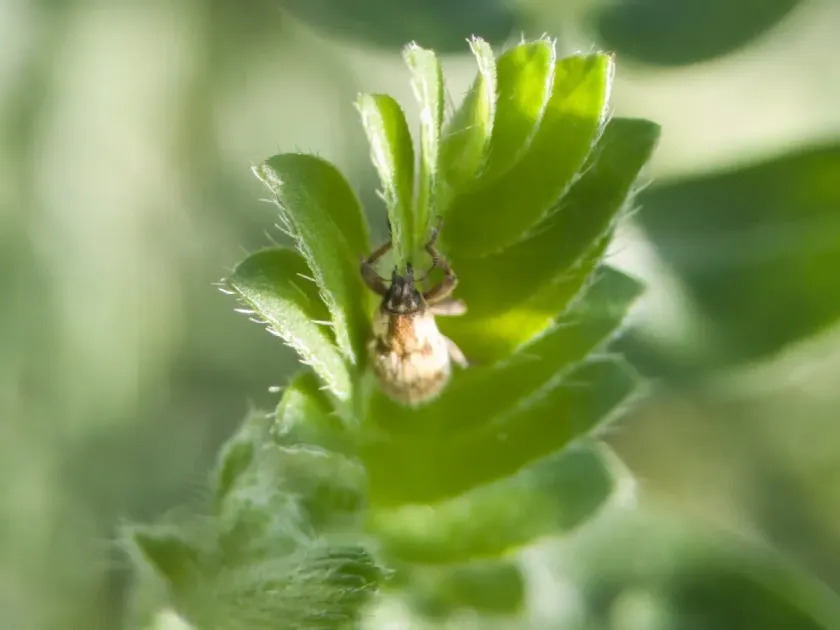
These insects are small, typically measuring 3–4 mm in length, with a coloration that blends perfectly with their host plants, providing excellent camouflage.
The adults are characterized by a distinct rostrum (snout), a typical feature of the weevil family, which they use to feed on plant tissues and prepare sites for egg-laying.
The larvae are legless, C-shaped grubs, white or creamy in color, specifically adapted to burrow into and develop within the internal tissues of their host.
The genus includes two primary species, Microlarinus lareynii and Microlarinus lypriformis, which are globally recognized for suppressing specific weed populations.
What it damages
The primary host for Microlarinus species is Tribulus terrestris (puncturevine), a widespread and invasive weed species that negatively impacts agriculture and livestock.
Microlarinus lareynii focuses on damaging the seed pods (fruit), effectively preventing the weed from reproducing and spreading through seeds.
Microlarinus lypriformis causes significant damage by burrowing into the stems and root crowns, which disrupts nutrient flow and leads to plant decline.
This feeding behavior causes the host plant to wilt and reduces its competitive ability, eventually leading to its displacement from the ecosystem.
Importantly, Microlarinus species are highly host-specific (oligophagous) and do not feed on crops, making them safe for use in agricultural landscapes.
When it appears
The life cycle of Microlarinus is synchronized with the growth of its host plant, Tribulus terrestris, starting its activity in the spring.
The insects are multivoltine, meaning they can complete several generations per growing season, maintaining constant pressure on weed populations.
Egg-laying occurs in small pits bored into the plant tissue, ensuring that larvae have immediate access to nutrients upon hatching.
Pupation takes place within the plant, protected by the internal tissues of the stem or seed pod, which shelters the insects from environmental hazards.
Adults overwinter in protected sites such as soil debris or dry plant material, surviving until the return of favorable conditions in the next growing season.
Signs of infestation
Evidence of Microlarinus presence includes characteristic exit holes on the surface of seed pods, created by adults emerging after pupation.
Stems damaged by larvae show signs of yellowing, loss of turgor, and physical weakness, making the plant appear sickly compared to uninfected neighbors.
A measurable decline in the seed bank of the targeted weed species is a clear indicator of the successful suppression by these weevils.
Observing adult weevils resting or feeding on the foliage of puncturevine during the day is the most direct sign of active colonization.
Large-scale infestation often results in patches of dead or stunted weeds, indicating the effectiveness of the biological control effort in that area.
Control measures
As Microlarinus is a beneficial biological control agent, it is not a pest; therefore, control measures are not applicable and are strongly discouraged.
Agricultural operations should prioritize the conservation of these insects by avoiding broad-spectrum insecticide applications in areas where they are released.
Management practices, such as mowing or tillage, should be carefully timed to avoid destroying populations of the weevil during critical developmental stages.
Maintaining a supply of host plants during the growing season is essential for sustaining the weevil population, which in turn benefits long-term weed management.
Monitoring the population of Microlarinus helps agronomists evaluate the success of the biocontrol program and determine the long-term impact on weed density.
Taxonomy
- Latin name
- Microlarinus
- Order
- Coleoptera (beetles)
- Family
- Curculionidae
- EPPO code
- MICLSP
Discussion
No discussions yet — be the first.