
Syrian hamster
Mesocricetus auratus
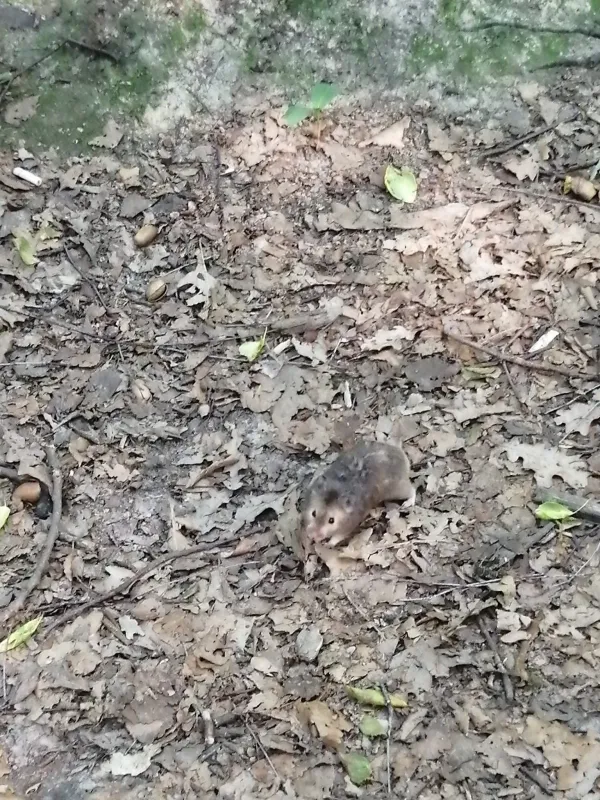
Description
How to identify
The Syrian hamster (Mesocricetus auratus) is a rodent belonging to the Cricetidae family. It is a medium-sized animal, typically reaching 13–18 cm in length.
The species is characterized by a stocky build, short legs, and a short tail. Its fur usually ranges from golden-brown to ochre on the back, with a lighter underside.
One of its most distinctive biological features is the presence of large, expandable cheek pouches used for transporting vast amounts of grain and seeds to storage.
They are primarily nocturnal and crepuscular, meaning they remain active during the night and hide in deep underground burrows throughout the daylight hours.
With a short gestation period and multiple litters per year, the species can rapidly increase its population size if food resources are readily available.
What it damages
In agricultural settings, the Syrian hamster is considered a pest due to its destructive feeding habits, especially concerning cereal crops like wheat and corn.
They cause significant yield losses by cutting down stalks and ears of grain during the milky-wax ripeness stage to transport the seeds to their burrows.
Vegetable gardens and root crop fields are also highly susceptible, as hamsters burrow into the soil to consume carrots, beets, and other tubers.
In nurseries and orchards, these rodents may gnaw on the bark of young trees and damage the root systems of saplings, leading to the death of the plants.
The hoarding instinct is particularly damaging; a single burrow can contain several kilograms of food, representing a notable loss of agricultural produce.
When it appears
The Syrian hamster's activity is most intense during the crop growing season, which generally runs from late spring through the harvest period in autumn.
Peak feeding activity occurs during the ripening phase of cereals when high-calorie food sources are abundant in the fields.
As temperatures drop in late autumn, they retreat into their burrows to rely on their stored food reserves, though they do not undergo true hibernation.
In areas with mild winters or near large food storage facilities, hamsters may remain active and continue to damage stored commodities throughout the year.
Migration into agricultural land is often driven by the depletion of natural food sources in surrounding habitats or by the harvest of adjacent fields.
Signs of infestation
The presence of Syrian hamsters is clearly indicated by a network of entrance holes in the soil, usually 4–6 cm in diameter, often accompanied by mounds of loose earth.
Visual inspection often reveals well-worn paths or trails running from the burrow entrances toward the areas where the animals have been feeding.
Localized patches of destroyed or fallen crops are a common sign of infestation, where plants have been chewed at the base or harvested by the rodents.
Droppings and leftover husks of grain or vegetable fragments found near burrow entrances are clear evidence of recent feeding activity.
The bite marks on vegetation are distinct, showing clean but shredded edges resulting from the gnawing action of the rodent's incisors.
Control measures
Managing Syrian hamster populations requires an integrated approach combining mechanical, agrotechnical, and chemical measures to minimize damage.
- Deep plowing of fields is essential to destroy burrow structures and disturb nesting sites.
- Efficient harvesting practices that minimize grain spillage are key to reducing the available food source.
- Keeping field margins clear of weeds and debris prevents the animals from finding cover.
- Application of targeted rodenticides via bait stations or direct burrow treatment according to local safety regulations.
- Encouraging natural predators, such as birds of prey, by installing perches and nesting boxes around the agricultural area.
Taxonomy
- Latin name
- Mesocricetus auratus
- Order
- Rodents
- Family
- Muridae
- EPPO code
- MSCRAU
Discussion
No discussions yet — be the first.