
Lyrebird
Menura
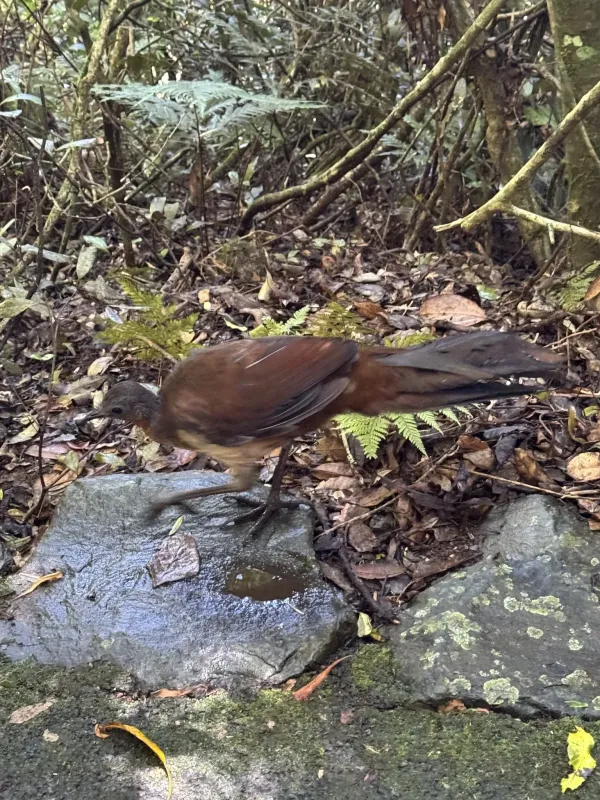
Description
How to identify
The lyrebird, belonging to the genus Menura, is a ground-dwelling bird native to Australian forests. While not a pest in the agricultural sense of feeding on crops, its behavior often impacts gardening and nursery operations.
They are characterized by strong legs used for vigorous digging in the forest floor, which is their primary method for searching for insects, larvae, and worms.
Adult males are famous for their elaborate tails, which resemble a lyre, but their ground-level activities are what agricultural practitioners should be aware of.
These birds are predominantly terrestrial, spending a significant portion of their time scratching through debris, soil, and leaf litter to expose their food source.
Their presence on agricultural property is usually accidental, occurring when farmland borders natural woodlands, leading to unintended disturbances in cultivated areas.
What it damages
The primary damage inflicted by lyrebirds is mechanical, resulting from their intense scratching and digging behavior in soil where delicate crops are planted.
Nursery seedlings, recently transplanted vegetables, and ornamental flower beds are the most frequent victims of this foraging activity.
As the bird searches for invertebrates, it often scatters mulch, uproots small plants, and exposes root systems to direct sunlight and potential desiccation.
This physical disruption of the soil structure can lead to the wilting or death of young crops, causing economic losses in smaller agricultural or horticultural setups.
The soil compaction or uneven digging patterns created by the birds can also interfere with irrigation efficiency and the overall health of the root environment.
When it appears
Lyrebird activity increases when soil moisture is high, as this makes invertebrates more accessible in the upper layers of the ground, leading to more frequent foraging.
During the breeding season, when parent birds require more energy and food for their chicks, their foraging intensity in the vicinity of their territory reaches a peak.
Drought conditions may force lyrebirds to seek out irrigated garden areas, as these patches provide a moist, reliable source of food that is otherwise unavailable in the dry bushland.
Daily activity is typically highest in the early morning or late afternoon, coinciding with their peak foraging times and when the soil is coolest.
Seasonal shifts in the forest floor's leaf litter density can also influence how often these birds wander onto cultivated plots of land.
Signs of infestation
The presence of lyrebirds is indicated by noticeably disturbed soil, which appears as if the surface has been raked or dug up by hand tools.
Uprooted seedlings, messy mulch layers that have been kicked or tossed, and exposed root zones are classic indicators of their presence in a garden.
Deep claw marks found in soft soil or around the base of plants provide clear evidence of a large, heavy-footed bird searching for food.
Small, circular or irregular depressions in the soil are a common side effect of the bird probing for insects beneath the ground surface.
Direct sightings of the bird or hearing their complex vocalizations in nearby shrubs or forest edges usually precede the appearance of these soil disturbances.
Control measures
The most effective strategy to prevent damage is the physical exclusion of the bird from the immediate area where vulnerable crops are growing.
Using protective wire mesh or lightweight horticultural netting secured over vegetable beds will prevent the bird from digging up the soil and damaging roots.
Replacing standard bark mulch with larger gravel or river stones in key garden areas makes the ground more difficult to scratch and reduces the bird's interest.
Maintaining clear boundaries and installing fence panels can help delineate the garden from natural forest buffers, reducing incidental incursions.
- Install protective mesh covers over newly planted seedlings.
- Use heavier mulching materials to discourage digging.
- Implement temporary acoustic deterrents if activity levels become destructive.
Taxonomy
- Latin name
- Menura
- Family
- Menuridae
- EPPO code
- MENUSP
Discussion
No discussions yet — be the first.