
Mecocorynus
Mecocorynus
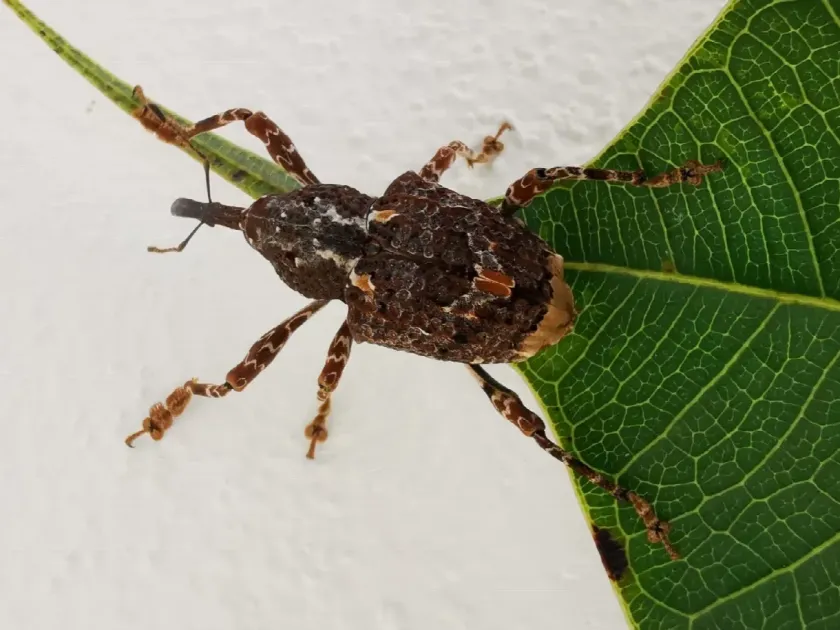
Description
How to identify
Mecocorynus is a genus of weevils (family Curculionidae) within the order Coleoptera. These beetles are characterized by their distinct snout, known as the rostrum, which they use for feeding and for boring holes in host plants to deposit eggs.
Adult insects typically possess a robust chitinous exoskeleton, often featuring cryptic coloration that allows them to camouflage against the bark or foliage of their host plants. Their size and morphology can vary depending on the specific species within the genus.
The larvae are apodous (legless), white to yellowish in color, and have a well-developed head capsule with strong mandibles. They are specialized for burrowing into woody or fibrous plant tissues, which they consume throughout their developmental stages.
Accurate species identification often requires professional entomological examination of morphological features, particularly the structure of the snout and the antennae, as they can resemble other closely related weevil genera.
Due to their nocturnal or crepuscular behavior, these beetles are frequently overlooked during routine field inspections, making detection more challenging compared to surface-dwelling insect pests.
What it damages
Mecocorynus species cause significant damage by feeding on both woody stems and fruits of various plants. The most severe injury is inflicted by the larvae, which create extensive galleries or tunnels within the plant tissues.
These tunnels disrupt the vascular system, effectively cutting off the supply of water and nutrients to the upper parts of the plant. This leads to wilting, stunted growth, and a marked reduction in the overall vigor of the host.
Adult beetles contribute to the damage by feeding on young shoots, buds, and fruit, which can result in malformed growth and a decrease in the quality and marketable yield of the agricultural produce.
In addition to direct physical damage, the wounds created by the insects serve as entry points for secondary infections by fungi and bacteria, which can accelerate the decline or death of the host plant.
- Boring tunnels in stems and branches
- Reduction in nutrient uptake
- Developmental deformities in shoots
- Increased susceptibility to plant pathogens
When it appears
The life cycle of Mecocorynus is highly influenced by climatic conditions, with development rates accelerating in warmer temperatures. In tropical regions, populations can remain active and reproduce throughout the year.
Females bore into the plant to lay eggs, ensuring the protection of the offspring. The entire larval and pupal development stages occur inside the plant tissue, shielding them from environmental stressors and many predators.
The emergence of adults signals the start of a new generation. Because development times can overlap, it is common to find multiple life stages of the pest within the same plant simultaneously.
Adult activity typically peaks during the growing season when plants are highly productive and provide ample resources for feeding and reproduction. This is also when they are most susceptible to monitoring efforts.
Environmental triggers, such as shifts in rainfall patterns, can influence the timing of emergence and the intensity of the pest population on plantation crops.
Signs of infestation
The presence of Mecocorynus is often betrayed by small, circular exit or entrance holes on the surface of branches or trunks, which may be surrounded by frass (a mixture of wood shavings and larval excrement).
Sap or gum bleeding from these holes is a classic symptom of internal infestation. It indicates that the plant's vascular integrity has been breached by the tunneling larvae.
Visible signs of decline, such as yellowing leaves, premature leaf drop, and the drying out of terminal shoots, often indicate that the infestation has reached a critical level within the plant structure.
Structural damage, including the snapping of weakened branches during high winds, is another common indicator of a severe infestation that has compromised the mechanical strength of the plant.
Close inspection of the trunk during the early morning or late evening may reveal adult beetles resting on the bark, as they often retreat into crevices or canopy cover during the bright daylight hours.
Control measures
Integrated pest management (IPM) for Mecocorynus focuses on sanitation, such as the pruning and immediate destruction of infested plant parts to prevent the spread of larvae to healthy sections.
Chemical control involving systemic insecticides is effective when applied during the peak activity periods of adult beetles. Systemic agents can penetrate the plant tissues to reach the feeding larvae.
Biological control options, including the use of entomopathogenic fungi or specialized nematodes, have shown potential in infecting larvae within their tunnels, offering a sustainable alternative to broad-spectrum chemicals.
Pheromone trapping is a highly useful tool for both monitoring population density and disrupting the mating cycle of the beetles, which can help in timing more targeted control applications.
Maintaining optimal plant health through proper fertilization and irrigation is crucial, as vigorous plants are often better equipped to withstand and recover from minor infestations compared to stressed hosts.
Taxonomy
- Latin name
- Mecocorynus
- Order
- Coleoptera (beetles)
- Family
- Curculionidae
- EPPO code
- MECOSP
Discussion
No discussions yet — be the first.