
Cape leafroller
Lozotaenia capensana
Description
How to identify
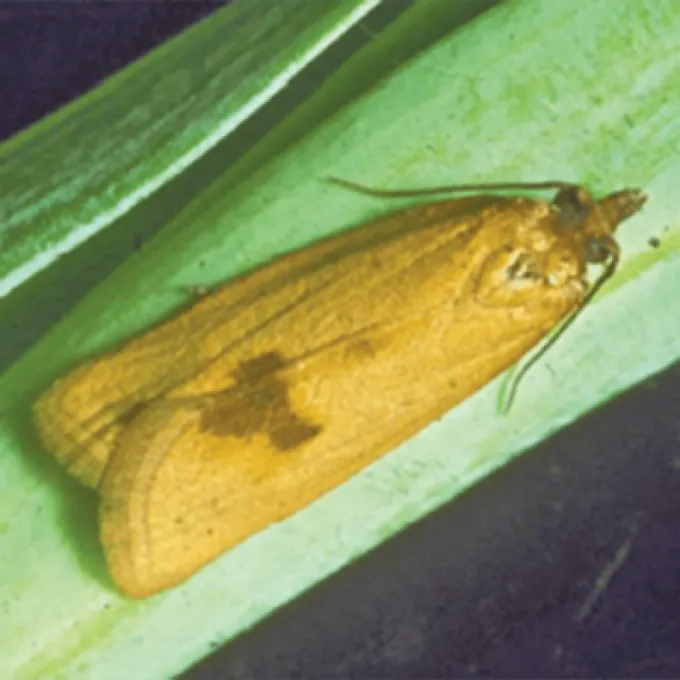
The Cape leafroller (Lozotaenia capensana) is a moth species belonging to the Tortricidae family. It is a well-known pest that affects various agricultural and horticultural crops, characterized by its cryptic appearance.
The larvae are typical leafroller caterpillars, with colors ranging from light green to brownish. They possess a distinctive dark head capsule and are highly mobile, often dropping from leaves on silk threads when disturbed.
The life cycle involves four stages: egg, larva, pupa, and adult. The insect typically undergoes several generations per year, depending on the climate and temperature conditions in the region.
Larvae overwinter in protected areas, such as bark crevices or folded leaves. This survival strategy makes them difficult to eradicate during the dormant season, necessitating vigilance in early spring.
Adult moths are nocturnal and are highly attracted to pheromones and light, which is an important aspect of their biological monitoring in professional orchards.
What it damages
This species is a polyphagous pest, meaning it feeds on a wide range of plants, including fruit trees, grapevines, and various ornamental species. It causes both direct and indirect damage to the host plants.
Young larvae initially feed on buds and tender leaves, which they web together to form shelters. This feeding behavior stunts the growth of the plant and reduces its photosynthetic capacity.
As the larvae mature, they move to the developing fruit. By burrowing into the fruit, they ruin the harvest quality and create entry points for secondary pathogens like fungi and bacteria.
Damage to young nursery stock is particularly severe, as the leafroller can destroy the apical meristem, leading to crooked growth and loss of tree shape.
In high-density infestations, the sheer number of feeding larvae can cause significant yield loss, making it a priority pest for many commercial growers.
Signs of infestation
The most obvious sign of infestation is the presence of webbed or rolled leaves. If a leaf cluster is opened, it reveals the caterpillar or its dark frass (droppings).
Fruit damage manifests as shallow or deep gouges in the epidermis. Over time, these areas often discolor and become entry points for fruit rot diseases.
Buds that fail to develop in the spring or appear partially consumed are strong indicators of overwintering larvae beginning their feeding cycle.
Sticky traps and pheromone dispensers are excellent tools for detecting the presence of adult moths before damage becomes visible to the naked eye.
Presence of silk webbing on branches and foliage is a clear symptom of active leafroller populations that require immediate attention from the grower.
Control measures
Cultural control involves removing dead leaves and pruning infested shoots where the pest may be sheltering. Regular orchard hygiene is the first line of defense.
Biological control relies on beneficial organisms such as parasitic wasps (e.g., Trichogramma) and predatory insects that feed on larvae and eggs.
Chemical control should be timed to coincide with the hatching period of the larvae. Using selective insecticides helps manage the population while minimizing impact on non-target species.
- Monitor flight patterns using pheromone traps.
- Use microbial insecticides like Bacillus thuringiensis.
- Maintain clean orchard floor to reduce overwintering sites.
Proper rotation of active ingredients in chemical applications is essential to prevent the development of resistance within the leafroller population.
Taxonomy
- Latin name
- Lozotaenia capensana
- Order
- Lepidoptera (butterflies)
- Family
- Tortricidae
- EPPO code
- TORTCA
Discussion
No discussions yet — be the first.