
Lozotaenia
Lozotaenia
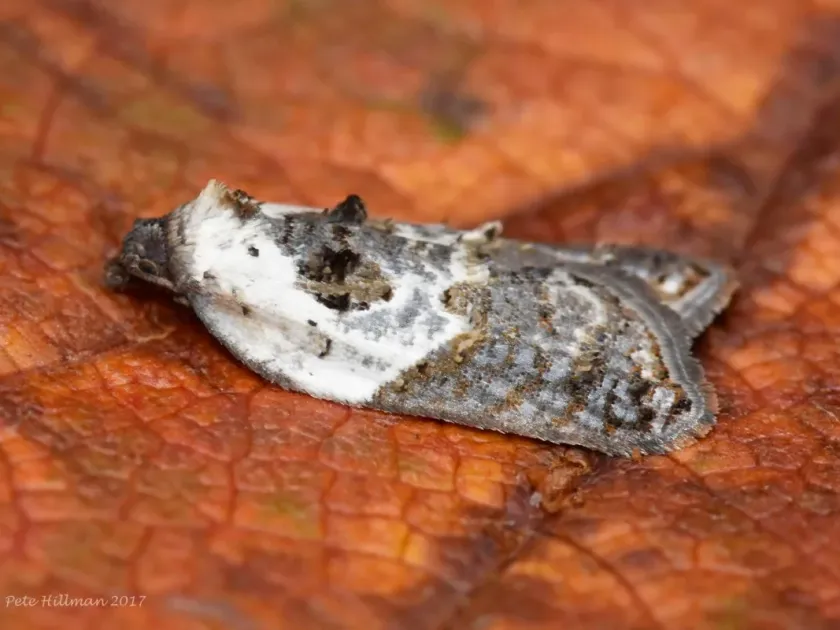
Description
How to identify
Lozotaenia is a genus of moths belonging to the family Tortricidae, known commonly as leafrollers. These insects are nocturnal, with a typical wingspan ranging from 15 to 25 millimeters.
Adult moths possess a characteristic shape with broad forewings, usually marked with brown or grey reticulated patterns which provide effective camouflage on tree bark or leaves.
The larvae, or caterpillars, are highly mobile and range in color from yellowish-green to brownish. They feature a distinct, darker head capsule which is a key diagnostic characteristic for field identification.
The life cycle involves complete metamorphosis, progressing through egg, larval, pupal, and adult stages. Pupae are often found hidden within rolled leaves or silk-lined nests.
A notable feature of this genus is the copious production of silk, which the larvae use to bind leaves together, creating protective shelters known as leaf rolls or nests.
What it damages
Lozotaenia species are polyphagous pests, capable of damaging a wide variety of woody plants. They cause significant economic losses in viticulture and commercial orchards.
The larvae feed on young foliage, buds, and fruit clusters. Feeding on buds in early spring can result in the complete destruction of the potential crop before it even matures.
Damage to the fruit includes superficial skin injury which, besides reducing quality, serves as an entry point for secondary pathogens like fungal rots.
The silk nests created by the larvae prevent proper leaf expansion and photosynthesis, leading to reduced plant vigor and stunted growth of the shoots.
In cases of severe infestation, yield losses can be substantial, often exceeding 50% if appropriate control measures are not implemented in time.
When it appears
The life cycle of Lozotaenia is highly dependent on climate and host plant phenology. Overwintering occurs primarily as young larvae within silk cocoons in bark crevices.
Adult moths of the first generation typically emerge in late spring or early summer, depending on regional temperatures, to mate and deposit eggs on foliage.
The second generation occurs throughout the summer months, with larvae causing the most significant damage to developing fruits and vegetative growth.
Warmer temperatures accelerate the development process, potentially leading to faster population growth and more frequent infestations during the growing season.
As autumn approaches and temperatures decline, the larvae seek shelter in protected locations to enter diapause and survive the winter period.
Signs of infestation
The first signs of infestation are usually observed in spring when buds fail to open properly or appear hollowed out due to larval feeding.
Leaves are often found folded or tightly rolled, secured by silk threads. Opening these rolls usually reveals the presence of an active larva inside.
- Withered or deformed flower clusters indicating early larval damage.
- Accumulation of frass (larval waste) within the webbed leaves.
- Stunted growth of new shoots caused by the consumption of apical meristems.
- Visible scarring on the fruit skin, often leading to necrosis or decay.
Regular inspection of the canopy and grapevines will reveal the presence of silken threads and webbed leaves, which are hallmark signs of leafroller activity.
Control measures
Effective management of Lozotaenia requires an integrated approach that combines cultural, biological, and chemical strategies.
Cultural practices, such as pruning damaged parts of the plant and scraping off loose bark in orchards, help to physically remove overwintering sites.
Pheromone traps are essential tools for monitoring the population density of adult moths, helping to determine the optimal timing for intervention.
Biological controls, including the use of Bacillus thuringiensis, are highly effective against younger larvae and are safer for beneficial insect populations.
Chemical applications should be timed carefully to target newly hatched larvae before they create protective silk nests, using a rotation of insecticides to prevent resistance.
Taxonomy
- Latin name
- Lozotaenia
- Order
- Lepidoptera (butterflies)
- Family
- Tortricidae
- EPPO code
- LOZOSP
Discussion
No discussions yet — be the first.