
Lorita
Lorita
Description
How to identify
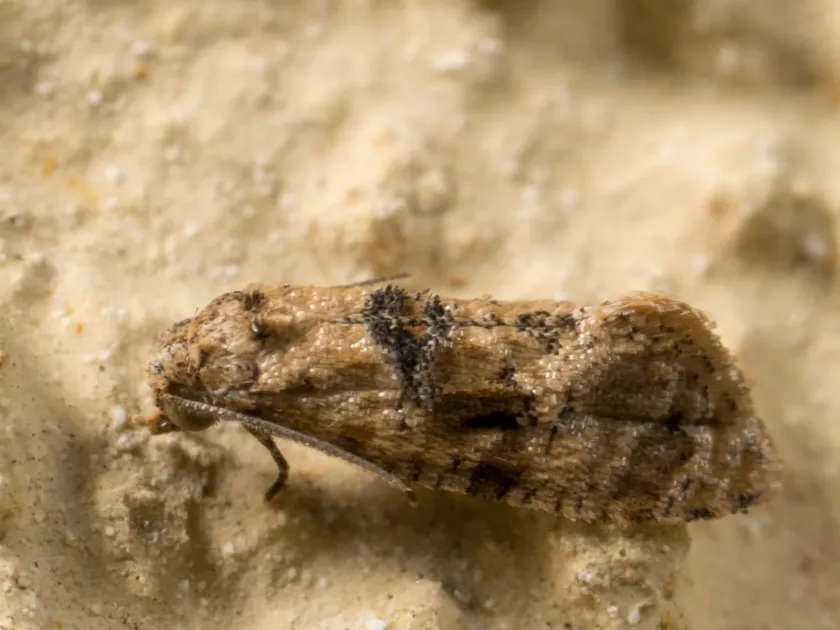
Lorita scarificata is a moth species belonging to the Tortricidae family. These insects are relatively small and often possess cryptic coloration that provides camouflage against plant foliage.
The life cycle of this pest involves complete metamorphosis, moving through egg, larva, pupa, and adult stages. The duration of each stage is highly dependent on ambient temperature.
Larvae are the primary feeding stage, characterized by their habit of rolling or tying leaves together using silk threads to create protective shelters.
Pupation typically occurs within these rolled leaves or in plant debris. This behavior makes the pupal stage particularly difficult to target with conventional contact insecticides.
Adult moths are nocturnal and are most active at night, which is why monitoring programs often rely on pheromone-baited traps to detect their presence early in the season.
What it damages
The primary hosts for Lorita scarificata are plants within the Solanaceae family, with significant economic impact on pepper and tomato crops.
Larvae feed on various parts of the plant, including terminal shoots, young leaves, flower buds, and developing fruits, causing direct and indirect losses.
The boring activity of the larvae inside stems and fruits often leads to the development of secondary infections caused by fungi and bacteria.
In greenhouses and intensive farming areas, this pest can be highly destructive, causing substantial yield reductions if the population is left unmanaged.
Marketability of the crop is severely compromised, as fruit damaged by boring larvae is typically rejected for human consumption or export.
Signs of infestation
The most distinctive symptom of infestation is the appearance of curled or rolled leaves at the terminal ends of the plant stems, held together by webbing.
Frass (larval excrement) accumulation on leaves and stems serves as an obvious sign of active larval feeding and infestation in a specific area.
Premature drop of flower buds and young fruits is a frequent consequence, often overlooked until a significant reduction in overall yield is observed.
Stunted growth or unusual stem deformation often occurs as a result of the larvae burrowing into the softer, growing tissues of the host plant.
Chlorosis and general wilting of the plant tips can indicate the presence of internal damage caused by larval feeding, hindering nutrient flow.
Control measures
Integrated pest management (IPM) for Lorita relies heavily on monitoring using pheromone traps to time the application of interventions effectively.
Strict sanitation measures, including the removal and destruction of crop residues after harvest, are essential to break the pest's life cycle.
Biological controls, such as the application of Bacillus thuringiensis or parasitic wasps, are effective tools when used at the onset of larval hatching.
Chemical control involving systemic insecticides is applied when threshold levels are reached, following local regulations and safety guidelines.
- Monitoring moth flights with pheromone-baited traps.
- Removing weeds that may act as alternative host plants.
- Ensuring crop rotation to reduce local population build-up.
Taxonomy
- Latin name
- Lorita
- Order
- Lepidoptera (butterflies)
- Family
- Tortricidae
- EPPO code
- LORTSP
Discussion
No discussions yet — be the first.