
Loricula elegantula
Loricula elegantula
Description
How to identify
Loricula elegantula is a tiny insect belonging to the family Microphysidae within the order Hemiptera. This species is known for its extreme sexual dimorphism, making it a unique subject for entomological study.
The males of the species are winged and capable of flight, which facilitates their movement across the tree canopy to locate mates and new habitats during the spring season.
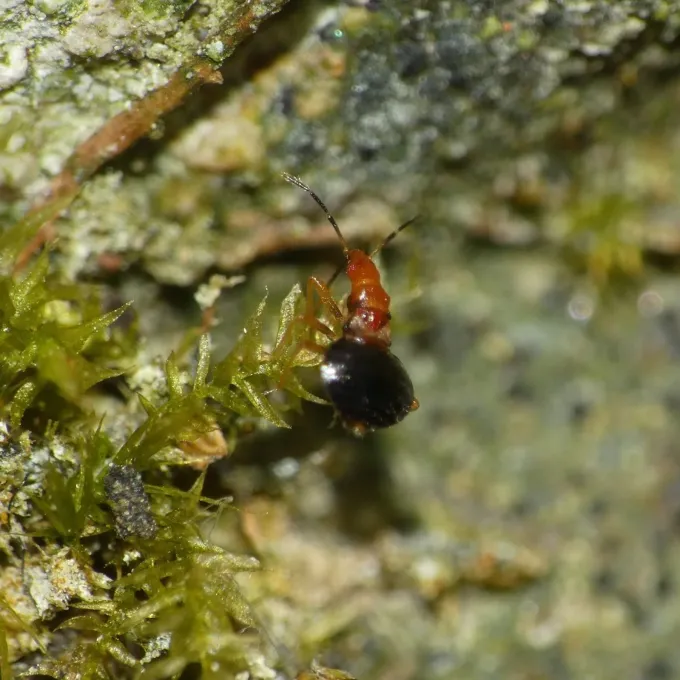
Females exhibit a very different morphology; they are typically wingless or have brachypterous wings, resembling small beetles or ants, which aids them in navigating the complex textures of tree bark.
Adult insects are microscopic in size, rarely exceeding 3 millimeters, and their color ranges from dark brown to black, often possessing a subtle metallic sheen.
The nymphs go through several developmental stages and share the same cryptic lifestyle as the adults, often hiding in the crevices of trees to remain undetected by predators.
What it damages
While often considered predaceous, feeding on other small arthropods like scale insects, Loricula elegantula can occasionally behave as a plant pest when its primary food source is scarce.
They use their piercing-sucking mouthparts to feed on the cell sap of young shoots and stems, leaving behind minute punctures that can compromise the plant's epidermis.
This feeding behavior causes stress to the plant, potentially leading to stunted growth, reduced vigor, and increased susceptibility to secondary infections.
In ornamental nurseries, the presence of these insects can damage the aesthetic quality of tree bark and young twigs, impacting the marketability of the plants.
The punctures created during feeding provide entry points for pathogens, which may lead to localized necrotic spots or the development of small cankers on the bark.
When it appears
The activity of Loricula elegantula peaks during the warmer months, beginning in early spring when the insects emerge from their winter dormancy as temperatures rise.
The breeding season typically occurs in late May and June, characterized by the flight of males seeking out the relatively immobile females on the trunks of host trees.
The species can produce multiple generations over the course of a single growing season, depending heavily on the available food supply and local weather conditions.
As autumn temperatures drop, the insects begin to seek out suitable overwintering sites, such as deep cracks in the bark, mosses, or lichen-covered areas.
They possess good cold tolerance and are able to survive freezing temperatures, provided their micro-habitats offer adequate protection from extreme weather and moisture.
Signs of infestation
The most common sign of infestation is the appearance of tiny, pinpoint-sized necrotic marks on the bark, resulting from the insect's feeding activity.
Using a hand lens, one might observe the quick-moving, ant-like females scurrying across the bark surface, particularly during the humid hours of the day.
Leaves on infested branches may show premature yellowing or drooping, which is a classic symptom of plants stressed by sap-sucking organisms.
The presence of fine, dark excrement deposits on the bark surface is another indicator that a population of these bugs is actively feeding in the vicinity.
Often, Loricula elegantula is found in association with colonies of scale insects, meaning the presence of such pests is a red flag to check for Microphysidae.
Control measures
Effective management focuses on preventive strategies that minimize the availability of suitable hiding places and ensure the overall health of the trees.
Routine bark maintenance, such as gently removing excessive moss or debris from tree trunks, can significantly reduce the overwintering success of the population.
In cases of high infestation, horticultural oils or insecticidal soaps applied during the dormant season can help reduce the number of overwintering stages.
Biological control through the encouragement of natural predators, such as lady beetles, can keep the population of Loricula elegantula below damaging levels.
- Implement good tree irrigation to help plants recover from sap-sucking damage.
- Use sticky traps during the peak flying season to monitor male populations.
- Maintain a diverse garden environment to support natural insect enemies.
Taxonomy
- Latin name
- Loricula elegantula
- Order
- Hemiptera (bugs, aphids, leafhoppers)
- Family
- Microphysidae
- EPPO code
- LORCEL
Discussion
No discussions yet — be the first.