
Lophopus
Lophopus
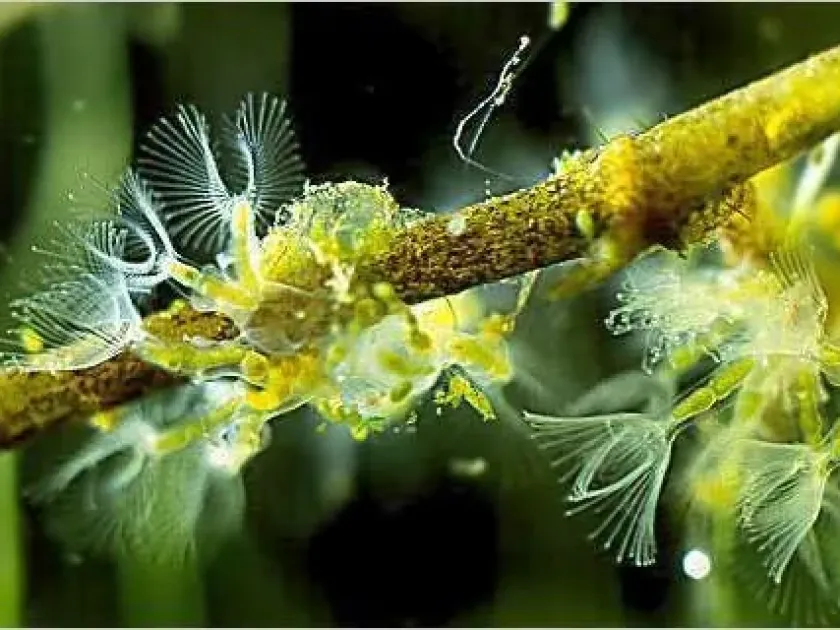
Description
How to identify
Lophopus Lophopus belongs to a group of organisms that, under specific environmental conditions, can become pests to cultivated plants.
Taxonomically, this genus is classified as a bryozoan, primarily inhabiting freshwater ecosystems.
Their colonies exhibit a characteristic gelatinous appearance and can attach themselves to the submerged parts of crops grown in hydroponics or flood irrigation systems.
Identification is difficult due to the microscopic size of individual zooids that form the larger colony.
Visually, they appear as translucent or whitish growths on roots and stems submerged in water.
What it damages
The main damage is caused to crops cultivated using hydroponics, aquaponics, or rice paddies.
Lophopus colonies mechanically block the absorption of nutrients by the root system.
As they expand, they create a dense layer that hinders gas exchange between plant tissues and the aquatic environment.
This condition often leads to the development of secondary bacterial infections at the sites of attachment.
The pest's activity results in stunted growth, leaf chlorosis, and a general decline in crop productivity.
When it appears
The organism's activity is directly dependent on temperature and water quality.
The most favorable period for colony growth occurs during warmer months when water temperatures consistently exceed 18 degrees Celsius.
Reproduction occurs through statoblasts — specialized dormant buds capable of surviving in harsh conditions.
Spread within agricultural systems usually occurs via water circulation in hydroponic installations.
Population peaks are typically observed mid-season, especially when filtration systems are compromised.
Signs of infestation
The first sign of infestation is the appearance of slippery, gelatinous coatings on the submerged parts of the plants.
Upon closer inspection, one can identify the characteristic branched structure of the colony when placed in a container of clear water.
Stunted plant growth is common, even when mineral fertilization is managed correctly.
The root system may take on an unusual greyish hue due to the accumulation of waste products from the pest.
In advanced cases, plants exhibit signs of stress similar to oxygen deprivation in the root zone.
Control measures
The primary defense strategy relies on strict control of water quality and filtration system maintenance.
Regular mechanical cleaning of equipment components to remove biofilms and debris is highly recommended.
UV water sterilization is an effective method to prevent the spread of zooids and statoblasts.
Chemical control options are limited, as harsh pesticides can easily damage the crop itself.
- Frequent replacement of the nutrient solution.
- Implementation of high-efficiency mechanical filtration systems.
- pH level adjustments to create an unfavorable environment for colonization.
Taxonomy
- Latin name
- Lophopus
- Family
- Lophopodidae
- EPPO code
- LPHSSP
Discussion
No discussions yet — be the first.