
Lophobaris
Lophobaris
Description
How to identify
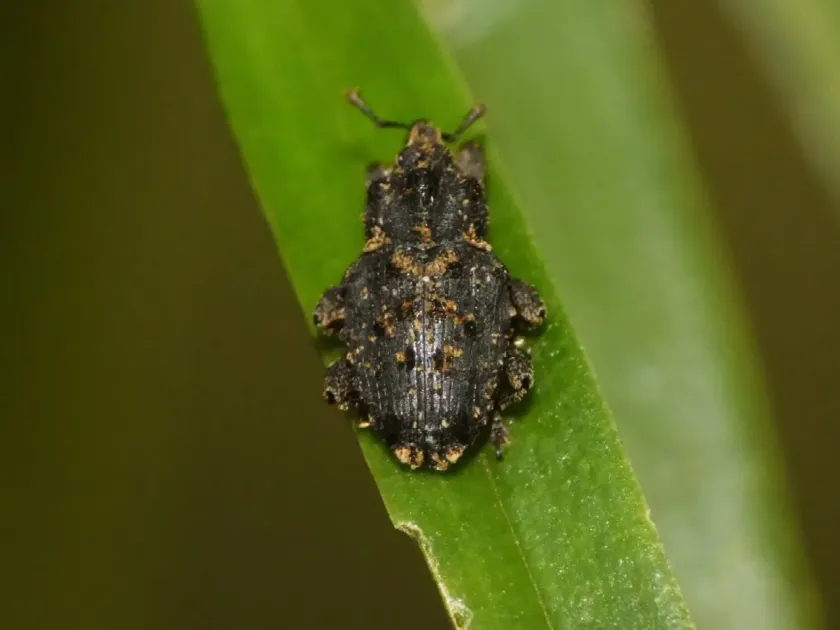
Lophobaris is a genus of weevils belonging to the Curculionidae family. These insects are characterized by their small size and generally dark or brownish coloration, which helps them blend into the host plant environment.
A distinctive feature of these beetles is their elongated rostrum or snout, a common trait among weevils. Their bodies are compact and robust, designed for living inside the dense tissues of plant stems and bulbs.
Adults are primarily nocturnal, making them difficult to detect during standard daytime horticultural inspections. They tend to hide in crevices or under old leaf scales during the day to avoid observation.
Because the larval stage occurs entirely within the plant tissue, the presence of the pest is often discovered only after significant damage has been done. Species identification often requires specialized entomological expertise.
When disturbed, these beetles exhibit a defense mechanism known as thanatosis, where they fold their legs and remain motionless, mimicking death to evade detection or predation.
##damage##Lophobaris species are specialized pests that primarily target various types of epiphytic orchids, particularly those in the Dendrobium genus. They thrive on the succulent tissues provided by these plants.
Adult beetles cause surface damage by chewing small pits or lesions on leaves and young stems. This feeding behavior reduces the plant's photosynthetic capacity and significantly degrades its ornamental value.
The most severe damage is caused by the larvae, which burrow inside pseudobulbs or stems. Their internal feeding tunnels disrupt the vascular system of the plant, leading to localized tissue necrosis and weakened structural integrity.
In cases of heavy infestation, the plant may fail to produce flowers entirely. The stress caused by the larvae makes the orchid highly susceptible to physiological decline and stunted growth.
Feeding wounds often serve as entry points for secondary bacterial and fungal infections. These pathogens can cause rapid rotting, leading to the potential loss of the entire affected plant specimen.
When it appears
In greenhouse or indoor cultivation settings, Lophobaris does not have a strict seasonality. The stable, warm, and humid environment allows for continuous breeding cycles throughout the year.
Optimal conditions for their development include high humidity and consistent temperatures, which accelerate the life cycle from egg to adult beetle, leading to overlapping generations.
Females deposit their eggs directly into the orchid tissues, providing the offspring with both immediate food and protection from environmental factors or external enemies.
Pupation occurs within the plant tissue or the substrate, keeping this developmental stage hidden from the grower. Once metamorphosis is complete, adults emerge to continue the cycle.
Growers should maintain a consistent monitoring program for their orchid collections rather than relying on seasonal indicators. Careful observation during active growth phases is the most effective approach.
Signs of infestation
Early warning signs include tiny, needle-like puncture marks on the leaves. Over time, these may develop into discolored halos as the surrounding tissue begins to respond to the injury.
The appearance of depressed or sunken areas on pseudobulbs is a clear indication that larvae are feeding internally. Affected plants often exhibit signs of general stress despite adequate watering.
- Presence of fine, dark frass (excrement) around the base of stems or in leaf axils.
- Unexplained yellowing and premature death of new shoots, even when roots appear healthy.
- Deformed or crippled new leaves emerging from the growth point due to prior larval damage.
Nighttime inspections using a flashlight are the most reliable method for detecting adult beetles active on the plant surface. They are most mobile when they emerge to feed or find mates.
Dissecting a severely damaged pseudobulb will reveal clear galleries or tunnels packed with plant debris and frass, confirming the presence of an active infestation of larvae or pupae.
Control measures
Strict quarantine measures for all new plant acquisitions are the primary line of defense. Thorough inspections of incoming stock can prevent the introduction of this pest into a collection.
Manual removal of adults during evening inspections is effective for small populations. Keeping the growing area clean and removing dead plant debris eliminates hiding spots for the beetles.
Systemic insecticides are the most effective chemical intervention. Because the larvae live inside the tissue, systemic products that are absorbed by the plant are necessary to reach the feeding stages.
Consistent application schedules are vital, as chemical treatments often do not kill all egg-laying stages simultaneously. Repeating treatments after 10–14 days is essential for long-term population management.
Maintaining optimal environmental conditions and overall plant health improves the orchid's natural resistance. Strong, healthy plants are significantly less likely to be successfully colonized by Lophobaris.
Taxonomy
- Latin name
- Lophobaris
- Order
- Coleoptera (beetles)
- Family
- Curculionidae
- EPPO code
- LOPBSP
Discussion
No discussions yet — be the first.