
Listroderes difficilis
Listroderes difficilis
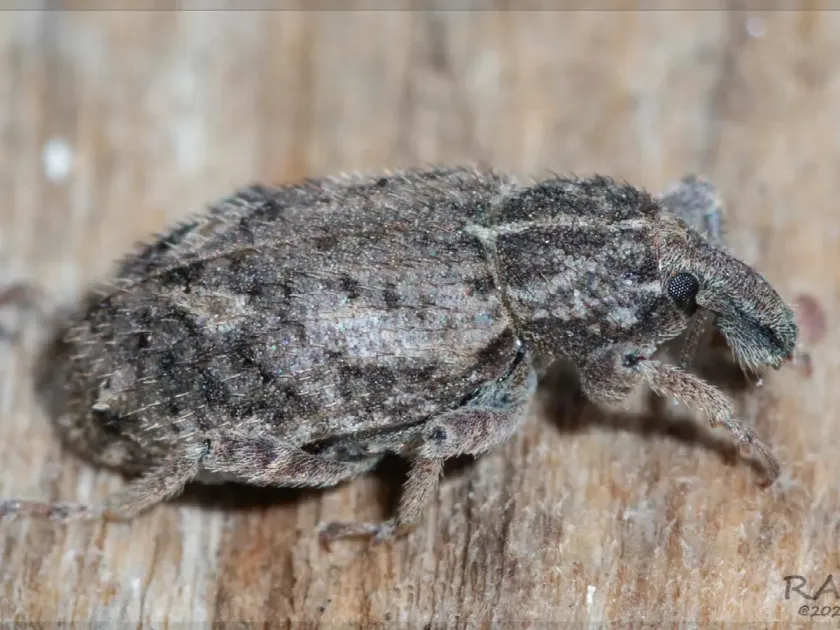
Description
How to identify
Listroderes difficilis is a species of weevil belonging to the family Curculionidae within the order Coleoptera, recognized by its elongated snout and robust body structure.
The adult weevils are typically covered with fine, dense scales that provide a mottled brown or gray appearance, serving as excellent camouflage against soil and organic debris.
The larvae of this species are legless, C-shaped grubs with a pale yellowish-white body and a distinctly hardened, dark brown head capsule adapted for feeding.
Due to their nocturnal behavior, adults are rarely seen during daylight hours, often burying themselves in the topsoil or hiding under dense canopy leaves to avoid predators.
The metamorphosis cycle consists of distinct life stages, with the pupal stage occurring within the soil, forming a protective cell before the emergence of a new generation.
What it damages
Listroderes difficilis is considered a generalist herbivore with a particular preference for vegetable crops, including potatoes, tomatoes, and various Brassicaceae.
The larvae are particularly destructive as they feed on the roots, tubers, and basal stems, often causing systemic stress that makes the plant highly susceptible to pathogens.
Adult feeding causes characteristic scalloping or irregular notching along the edges of leaves, which significantly impacts the photosynthetic capacity of the plant.
Young transplants are at the highest risk, as minor damage to the root system or growing point can lead to complete plant failure or severe stunting in the early season.
Heavy infestations can lead to substantial yield losses, affecting both the quality of tuberous crops and the commercial value of leafy vegetables.
When it appears
The activity of this weevil is heavily influenced by moisture and temperature levels, with peak activity commonly observed during cool, damp weather conditions.
Adults emerge from hibernation in early spring as temperatures rise, coinciding with the initial establishment phase of susceptible vegetable crops in the field.
While summer heat often induces a state of reduced activity or aestivation for adults, larval development within the soil may continue if moisture levels remain sufficient.
Autumn marks a resurgence in adult feeding as they prepare for overwintering, posing a significant risk to late-season plantings and green manure crops.
Monitoring for this pest should be intensified during periods of transition between seasons when the population is most mobile and seeking fresh food sources.
Signs of infestation
Visual identification of an infestation often begins with observing the margins of leaves, where clear, irregular notches indicate the presence of adult weevil feeding.
Wilting plants that appear healthy in terms of water status but show stunted growth can suggest that larvae are damaging the subterranean root structure.
Carefully disturbing the soil around the base of the plant during the early morning or evening hours may reveal the presence of adult weevils resting in the debris.
Small, dark fecal pellets left on the leaf surfaces or at the base of the plant are reliable indicators that the insects have been actively feeding in the vicinity.
Early-season plant loss and thin stands are strong signs that larval populations were high during the germination and establishment phases of the crop.
Control measures
Integrated Pest Management (IPM) for this weevil relies on a combination of cultural practices, such as strict crop rotation to avoid host-specific population buildup.
Mechanical control through deep tillage and soil cultivation is highly effective at destroying pupal chambers and exposing larvae to natural predators like birds.
Biological control agents, including beneficial nematodes and entomopathogenic fungi, can be applied to the soil to suppress larval populations without environmental harm.
Chemical intervention should be reserved for cases where economic thresholds are exceeded, utilizing insecticides with targeted application timing during the night.
- Elimination of weeds that act as alternative hosts for the pest.
- Implementation of pheromone-based monitoring to track population dynamics.
- Use of protective netting for high-value early-season transplants.
- Promotion of natural predatory beetle and spider populations in the field.
- Sanitation protocols that remove crop residues immediately after harvest.
Taxonomy
- Latin name
- Listroderes difficilis
- Order
- Coleoptera (beetles)
- Family
- Curculionidae
- EPPO code
- LISTDI
Discussion
No discussions yet — be the first.