
Liparus
Liparus
Description
How to identify
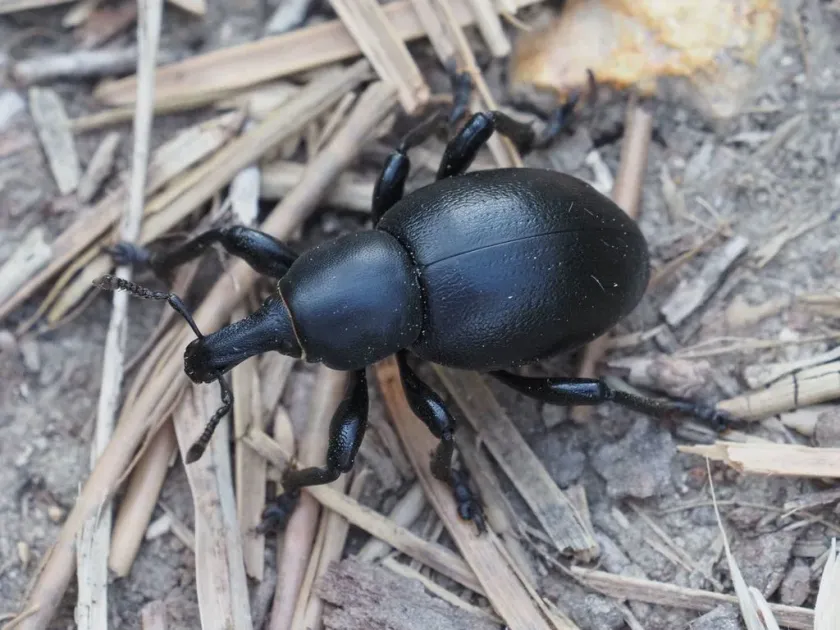
Liparus is a genus of beetles belonging to the Curculionidae family, commonly known as weevils. These insects are characterized by a robust, oval-shaped body, typically dark or black in color.
The elytra of many species exhibit spots made of light-colored scales, creating a distinctive pattern against the dark background. Their rostrum (snout) is massive and slightly curved, which is a hallmark of the family.
Adult Liparus beetles generally measure between 12 and 20 mm in length, making them relatively large and visible. Their bodies are covered with fine scales that may wear off over time.
The larvae are typically legless, fleshy, and C-shaped, with a pale white body and a sclerotized brown head. They are primarily subterranean, living and feeding within the soil or inside roots.
When disturbed, these beetles often exhibit thanatosis, a behavior where they pull their legs in and remain motionless to mimic small stones or debris, helping them avoid predation.
What it damages
Liparus species act as polyphagous pests but show a marked preference for specific vegetable families, particularly Apiaceae (carrots, parsley) and sometimes Brassicaceae.
While adult beetles may feed on tender leaves or young shoots, the most significant damage is inflicted by the larvae. They burrow into the roots and crowns of plants, destroying the vascular tissue.
This larval feeding causes severe stress to the plant, leading to stunted growth, yellowing of leaves, and, in severe cases, the complete collapse and death of the plant.
The damage to root crops often creates entry points for secondary bacterial or fungal infections, leading to rot that makes the crop unmarketable and unsuitable for storage.
The infestation is often patchy, with specific areas of a field showing high population densities while others remain relatively unaffected, requiring targeted monitoring.
When it appears
The life cycle of the Liparus is highly dependent on local climatic conditions, specifically soil temperature and humidity. Adult activity begins in spring as soon as the soil warms up.
After a period of supplemental feeding, adults mate, and females deposit eggs in the soil near the base of suitable host plants. This usually occurs during late spring and early summer.
Larvae hatch and immediately begin feeding on roots. They remain in the soil throughout the summer and early autumn, growing through several instars while hidden from view.
Pupation takes place in soil chambers created by the larvae. Depending on the species and climate, adults may emerge in the autumn or overwinter in the soil to emerge the following spring.
The total duration of the life cycle can vary from one to two years, which necessitates long-term monitoring strategies in agricultural planning.
Signs of infestation
One of the earliest indicators of an infestation is the sudden wilting of plants, even when soil moisture is adequate, indicating root damage preventing water uptake.
An inspection of the root surface will reveal deep feeding tunnels or gnawed patches. These lesions are often dark and can be accompanied by wet rot symptoms.
Plants affected by larval feeding exhibit significantly reduced vigor. Growth is often arrested, and leaves may show signs of chlorosis due to compromised nutrient transport.
Adults can be spotted by carefully inspecting the ground around the base of the plant during the cooler morning or evening hours when they are most active.
The presence of adults on the foliage, accompanied by irregular bite marks along the edges of the leaves, is a strong diagnostic sign of an active infestation.
Control measures
Cultural control is the most effective long-term strategy. Proper crop rotation is essential, as it disrupts the life cycle by removing host plants from the area for at least two years.
Deep autumn plowing of the soil is highly recommended. This practice brings larvae and pupae to the surface, exposing them to freezing temperatures and avian predators.
Weed management is critical, as many common weeds serve as alternative hosts for the beetles, allowing the population to persist even in the absence of cultivated crops.
In cases of high infestation, chemical control may be necessary. Applications should be timed to target adults before they have the opportunity to lay eggs in the soil.
- Ensure clean field edges to remove potential beetle shelters.
- Monitor for signs of wilting to identify early infestation hot-spots.
- Use systemic insecticides if recommended by local agricultural guidelines.
Taxonomy
- Latin name
- Liparus
- Order
- Coleoptera (beetles)
- Family
- Curculionidae
- EPPO code
- LIPUSP
Discussion
No discussions yet — be the first.