
Linogeraeus
Linogeraeus
Description
How to identify
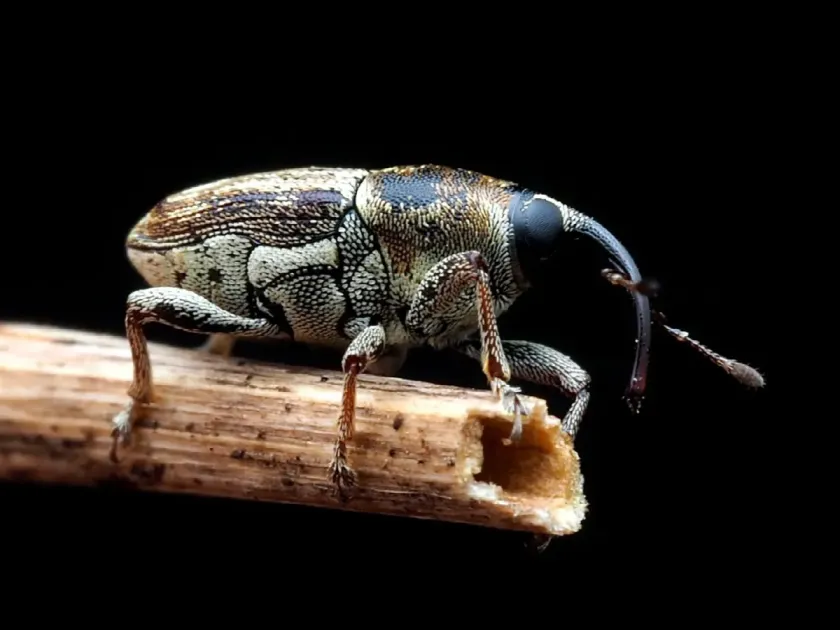
Linogeraeus is a genus of weevils belonging to the family Curculionidae, order Coleoptera. These are small insects that often evade detection due to their cryptic habits and protective coloration.
Adults typically feature an elongated body with a characteristic rostrum, common to many snout beetles. Their exoskeleton is robust and highly resistant to environmental stressors.
The life cycle undergoes complete metamorphosis, consisting of egg, larva, pupa, and adult stages. Larvae live endophytically, developing inside plant tissues, which makes conventional surface treatments ineffective.
The genus is primarily distributed in warmer climates, where they successfully overwinter in plant debris. Their prevalence is closely linked to favorable seasonal temperatures.
These insects exhibit strong host specificity, generally targeting plants within the Asteraceae family, which makes them significant pests in specific agricultural landscapes.
What it damages
The primary hosts for Linogeraeus are plants in the Asteraceae family, most notably sunflowers and various wild-growing composite weeds that act as reservoirs.
The larval stage is the most destructive, as they consume the internal stem tissues, leaf petioles, or flower stalks of the host plant, effectively disrupting its development.
This feeding behavior impedes the plant's nutrient transport system, which is crucial for the formation of flower heads and seed filling during the critical vegetative phase.
Severe infestations result in stunted growth and significant yield losses, directly impacting the economic output of the affected fields.
Extensive stem tissue destruction often leads to mechanical failure, causing plants to lodge (fall over) and making harvesting operations difficult and inefficient.
Signs of infestation
The initial signs of infestation include tiny entry holes on the stem or leaf petioles, created by adults during the egg-laying process.
Affected plants often show premature wilting or structural deformation, which becomes especially apparent during periods of environmental stress like drought.
Internal examination of the stem reveals tunnels and frass produced by the larvae, resulting in tissue discoloration and potential secondary infection by pathogens.
Poor head development and malformed seed set in sunflowers are frequently strong indicators of internal systemic damage caused by this weevil species.
- adult weevils present on foliage;
- entry holes along stems;
- stunted growth patterns;
- premature leaf senescence;
- lodging during windy conditions.
Control measures
Effective management of Linogeraeus relies on stringent agrotechnical practices aimed at destroying overwintering populations within soil and crop residues.
Deep autumn plowing immediately after harvest is essential to bury and destroy overwintering stages, thereby breaking the pest's life cycle.
Crop rotation remains a fundamental tool, preventing the long-term buildup of pest pressure within specific fields by alternating host and non-host crops.
If economic thresholds are exceeded, systemic insecticides capable of penetrating plant tissues must be applied to target the endophytic larvae effectively.
Regular field scouting and the use of monitoring traps allow farmers to detect early migrations and intervene with targeted control measures at the right time.
Taxonomy
- Latin name
- Linogeraeus
- Order
- Coleoptera (beetles)
- Family
- Curculionidae
- EPPO code
- LNGRSP
Discussion
No discussions yet — be the first.