
Gribble
Limnoria lignorum
Description
How to identify
The gribble (Limnoria lignorum) is a small marine crustacean belonging to the order Isopoda, specifically known as a destructive wood-boring pest.
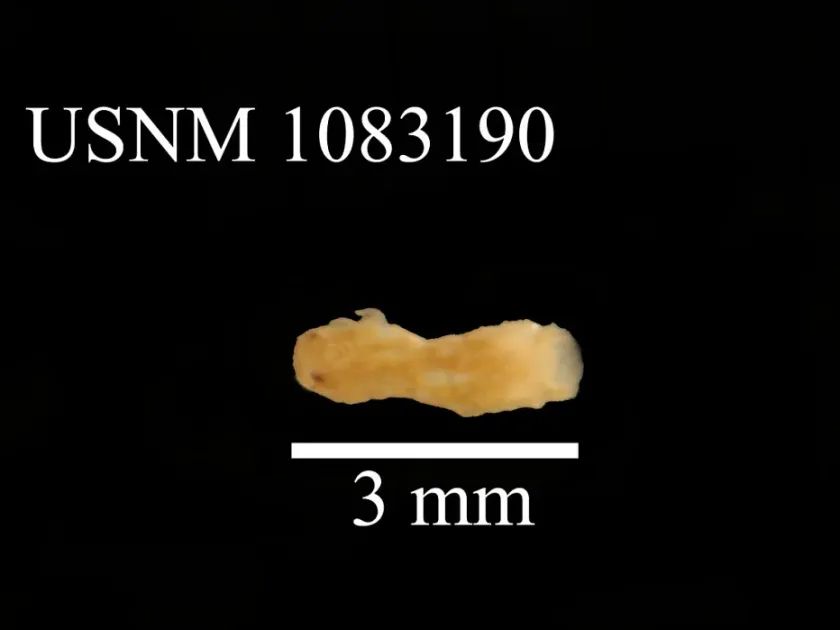
Adult gribbles are tiny, measuring roughly 3 to 5 millimeters in length, with a segmented body that is highly specialized for burrowing into wooden substrates.
Unlike some other marine borers, gribbles do not have a free-swimming larval stage, which limits their spread to the movement of infested timber in the water.
These organisms thrive in high-salinity marine environments and are found in dense colonies that work in unison to degrade underwater wooden structures.
The lifecycle is continuous in warmer waters, allowing for rapid colonization and development of new tunnels within wood piles and maritime structures.
What it damages
Gribbles cause severe structural damage to marine infrastructure, primarily targeting wooden piers, bridge pilings, and the hulls of wooden ships.
By excavating extensive tunnel networks, these crustaceans strip away the outer layers of wood, which are then eroded by wave action and tidal currents.
This process leads to the progressive thinning of structural supports, often reducing them to a fraction of their original diameter over several years.
The economic impact is significant, as infested piling must frequently be replaced to prevent the catastrophic failure of docks and piers.
Damage is typically most visible in the intertidal zone, where the intensity of their boring creates a distinct "hourglass" shape on wooden pilings.
Signs of infestation
A primary sign of infestation is the presence of countless small, neat boreholes (about 1–2 mm in diameter) covering the surface of the timber.
As the infestation progresses, the surface of the wood takes on a spongy appearance and eventually peels away, revealing the intricate tunnel system underneath.
When submerged wood appears abnormally thin at the waterline or surface, it is a hallmark sign that a colony of gribbles has been active for a long period.
Microscopic inspection of the wood surface reveals tiny, segmented organisms occupying these galleries, confirming the presence of Limnoria.
Structural weakening, where the wood feels soft or crumbles when probed with a metal rod, confirms severe biological degradation by these pests.
Control measures
Preventative measures include the pressure treatment of timber with chemical preservatives, such as creosote or copper-based compounds (e.g., ACQ), to deter infestation.
Physical barriers, such as PVC or fiberglass jackets, are frequently applied to pilings to cut off access to the wooden surface by marine borers.
Selecting naturally durable wood species, such as greenheart or certain tropical hardwoods, can significantly increase the resistance to gribble attacks.
Regular underwater inspections and maintenance are essential for early detection, allowing for the reinforcement or replacement of pilings before failure occurs.
Modern engineering standards mandate strict chemical treatment protocols for any timber intended for use in saltwater environments to mitigate the risk of gribble damage.
Taxonomy
- Latin name
- Limnoria lignorum
- Family
- Limnoriidae
- EPPO code
- LIMRLI
Discussion
No discussions yet — be the first.