
Pea moth
Leguminivora
Description
How to identify
The pea moth (Leguminivora nigricana) is a small moth belonging to the Tortricidae family. Adult moths have a wingspan of about 12–15 mm and are characterized by their dark brown forewings with distinct white and black markings along the leading edge.
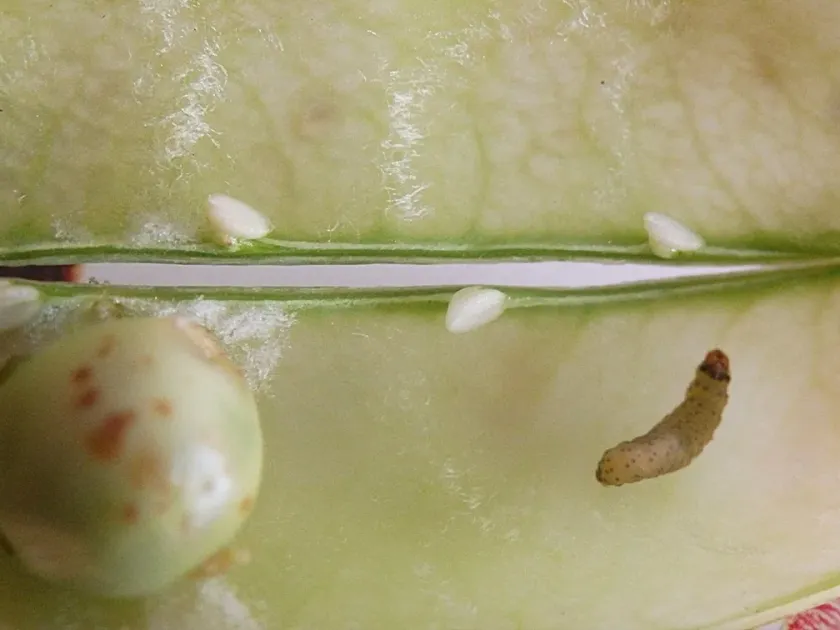
The larvae are typically 12–15 mm long and possess a creamy-white body with a dark brown or black head. Their skin is covered with small tubercles bearing short, light-colored hairs, which serves as a primary feature for field identification.
What it damages
The primary host for the pea moth is the cultivated pea (Pisum sativum). In cases of high pest pressure, they may also affect other legumes such as chickpeas, lentils, and vetch, making them a significant concern for global legume production.
The damage is almost exclusively caused by the larvae feeding on the developing seeds within the pods. This feeding reduces both the quantity and quality of the yield, rendering the peas unsuitable for human consumption and significantly reducing their viability as seeds.
When it appears
Adult moths typically emerge in late spring or early summer, coinciding with the flowering stage of the pea crop. The activity levels are heavily influenced by dusk temperatures; temperatures above 15 degrees Celsius are required for mating and egg-laying.
The total lifecycle generally takes four to six weeks. The moth overwinter as full-grown larvae in soil cocoons at a depth of 5–10 cm. Pupation occurs in the spring, followed by the emergence of the adults, completing the single annual generation cycle.
Signs of infestation
Initial signs of infestation include the presence of tiny, oval, translucent eggs laid on the leaves, stipules, or flower buds. Scouting for these eggs is crucial for determining the timing of preventative measures.
Later in the season, infestation is indicated by small holes in the pod walls through which mature larvae exit. Inside the pod, the presence of frass (larval excrement) and webbed, damaged seeds are clear indicators of a successful infestation.
Control measures
Effective management requires an integrated approach. Cultural practices, such as early sowing and the use of early-maturing varieties, are essential to ensure the crop pods form and mature before the peak of the moth flight period.
- Plowing soil post-harvest to disturb and destroy overwintering cocoons.
- Utilizing pheromone traps to monitor adult population levels.
- Applying insecticides during the peak of egg-laying if the economic threshold is reached.
- Maintaining strict crop rotation protocols to break the pest lifecycle.
- Encouraging natural predators such as parasitic wasps and predatory beetles.
Taxonomy
- Latin name
- Leguminivora
- Order
- Lepidoptera (butterflies)
- Family
- Tortricidae
- EPPO code
- LEGUSP
Discussion
No discussions yet — be the first.