
Lama leaf beetle
Lama
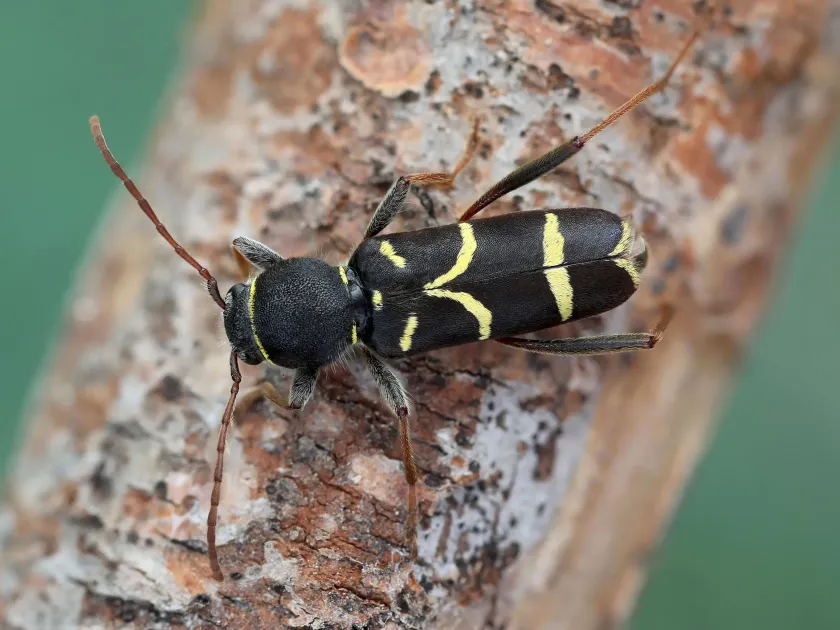
Description
How to identify
The Lama leaf beetle belongs to the Chrysomelidae family, order Coleoptera. These insects are recognized as significant pests that rely on various host plants for their nutrition and reproduction.
Adult beetles possess a distinct morphology characterized by an oval or rounded shape, often adapted for dwelling on foliage. Their coloration is usually cryptic, helping them evade predators.
Larvae are typically soft-bodied and exhibit a worm-like appearance. Many species in this group produce protective secretions or use their own excrement to cover their bodies, serving as a defense mechanism.
The life cycle encompasses four main stages: egg, larva, pupa, and adult. Each stage is strictly regulated by environmental conditions, particularly temperature and humidity, and the phenology of the host crop.
Proper identification is crucial for effective management. Field scouts should pay close attention to leaf surfaces and the base of the plant where eggs and larvae are frequently located.
What it damages
Lama leaf beetles primarily feed on the foliage of various plants. Their feeding behavior results in the removal of leaf tissue, which directly disrupts the plant's photosynthesis and metabolic processes.
Adults typically create small holes in leaves, while larvae can cause skeletonization, leaving behind only the vascular structure of the leaf. This severely restricts the plant's ability to produce energy.
Significant infestations can lead to substantial biomass loss, causing stunted growth and poor fruit development. The economic impact is felt through reduced yields and lower quality of harvested products.
Besides direct damage, the feeding wounds serve as entry points for various pathogens, including fungi and bacteria, which can cause secondary infections in the crop.
If left unmanaged, high populations of this pest can lead to total crop failure in susceptible varieties during peak growing seasons.
When it appears
The activity of the Lama leaf beetle typically begins in late spring when rising temperatures stimulate the emergence of overwintering adults from the soil or plant debris.
The spring and early summer period is characterized by intense feeding and reproductive activity, as adults look for suitable host plants to lay their eggs.
Larval development usually peaks during the summer months when plants are most actively growing and succulent tissue is abundant for feeding.
Depending on the climatic zone, the beetle may complete several generations within a single season, leading to persistent pressure on the crop throughout the summer.
As autumn approaches, the beetles prepare for overwintering, migrating into the soil or sheltered areas to survive the cold months.
Signs of infestation
Visible signs of infestation often start as localized shot-hole damage on leaf edges. As the population grows, this damage expands across the entire leaf canopy.
Checking the underside of the leaves usually reveals clusters of eggs or the presence of larvae, often marked by the presence of moist frass (excrement) on the leaf surface.
Plants affected by severe feeding may exhibit chlorotic symptoms, wilting, and a general lack of vigor compared to unaffected neighboring plants.
Field monitoring should focus on both the upper and lower surfaces of leaves, particularly during the early morning hours when adult activity is at its highest.
- Perforated leaf blades
- Skeletonized leaf tissue
- Presence of larval excrement
- Stunted plant development
- Premature leaf drop
Control measures
Integrated Pest Management (IPM) is the most effective approach for controlling the Lama leaf beetle, combining cultural, mechanical, and chemical tactics.
Crop rotation is a fundamental cultural practice that disrupts the pest cycle by removing the preferred host plant from the field for one or more seasons.
Tillage operations, particularly in the autumn, help to disturb overwintering sites, exposing larvae and pupae to predators and adverse weather conditions.
Chemical control involving systemic or contact insecticides is recommended when pest populations exceed the economic threshold, ensuring all safety labels are followed.
Biological control options, including the use of entomopathogenic fungi or predatory insects, can be integrated into the management plan to reduce reliance on synthetic chemicals.
Taxonomy
- Latin name
- Lama
- Family
- Camelidae
- EPPO code
- LMAASP
Discussion
No discussions yet — be the first.