
Lagodon
Lagodon
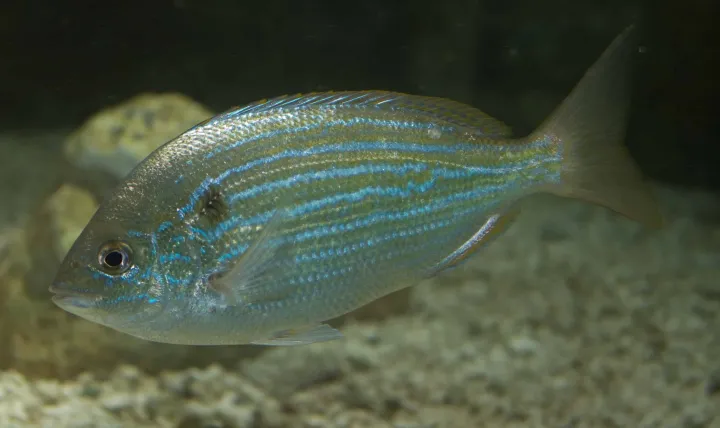
Description
How to identify
Lagodon (the genus Lagodon) is recognized in agricultural science as an organism that poses specific challenges to plant health, particularly in coastal or salt-affected agricultural zones.
Identifying this pest involves a detailed examination of morphological structures, including the mouthparts and exoskeleton, which are specifically adapted for damaging plant tissues.
Systematically, it is crucial for agronomists to distinguish Lagodon from other similar pests, as misidentification can result in ineffective treatment regimes and significant economic losses.
Field identification is supported by pheromone trap analysis and population counts, which provide data on the density of the pest across the cultivated land.
Microscopic examination of the adult insects is often required to confirm the species, especially in regions where multiple similar pests coexist in the same ecological niche.
What it damages
The damage caused by Lagodon mainly involves the destruction of vegetative plant parts, which severely impairs the photosynthetic efficiency and growth rate of affected crops.
By piercing the stems and leaves, the pest extracts vital plant sap, leaving behind necrotic tissue that attracts secondary pathogens such as fungi and bacteria.
In addition to direct feeding, the mechanical damage to the vascular system disrupts the transport of nutrients, leading to yellowing, wilting, and eventually the death of the plant.
Young crops are particularly susceptible, as they lack the structural integrity to withstand extensive feeding damage during their initial phases of development.
The cumulative impact on fields can lead to significant yield reductions, especially if the infestation remains unchecked during the peak of the growing season.
When it appears
The life cycle of Lagodon is highly dependent on climate conditions, with peak activity typically observed during the warm months of spring and early summer.
The emergence of larvae coincides with the growth stage of many staple crops, making this the most critical period for conducting protective measures and field inspections.
Temperatures between 20 and 25 degrees Celsius are optimal for the rapid maturation of the pest, facilitating multiple generations within a single growing season.
As the season progresses toward autumn, the pest usually enters a period of dormancy, preparing for the winter phase by seeking refuge in the soil or protected crevices.
Understanding these phenological shifts is essential for agronomists to time their applications of control products effectively and prevent large-scale infestation.
Signs of infestation
Early symptoms of Lagodon infestation include chlorotic spots on the leaves, which gradually evolve into brown necrotic areas as the tissues die.
Deformation of the stems, curling of leaves, and abnormal stunting are primary indicators that the pest is actively feeding on the internal plant tissues.
- Small puncture marks on leaf surfaces.
- Presence of visible excrement or debris near feeding sites.
- Drooping of apical shoots during the peak heat of the day.
- Uneven plant height within the crop rows.
- Presence of opportunistic mold growth on damaged stems.
Sophisticated monitoring tools, such as drone imagery, are increasingly used to detect the subtle shifts in field coloration that suggest initial stages of a pest outbreak.
Farmers should look for "hot spots" of stunted growth, which often indicate the primary feeding colonies that need to be addressed immediately to prevent wider spread.
Control measures
Integrated pest management (IPM) for Lagodon starts with rigorous crop rotation practices, which reduce the likelihood of the pest completing its full life cycle successfully.
The application of systemic insecticides at the recommended stages of plant growth provides a protective barrier against initial colonization and larval feeding.
Cultural methods, such as soil cultivation and post-harvest residue management, are effective in disrupting the habitat and overwintering sites of the pest.
Biological control methods, utilizing natural predators and parasitoids, provide a sustainable alternative that helps keep the population levels below the threshold of economic damage.
Constant field monitoring and the use of economic thresholds ensure that control interventions are only applied when necessary, minimizing the impact on non-target organisms.
Taxonomy
- Latin name
- Lagodon
- Family
- Sparidae
- EPPO code
- LAGDSP
Discussion
No discussions yet — be the first.