
Lachnopus
Lachnopus
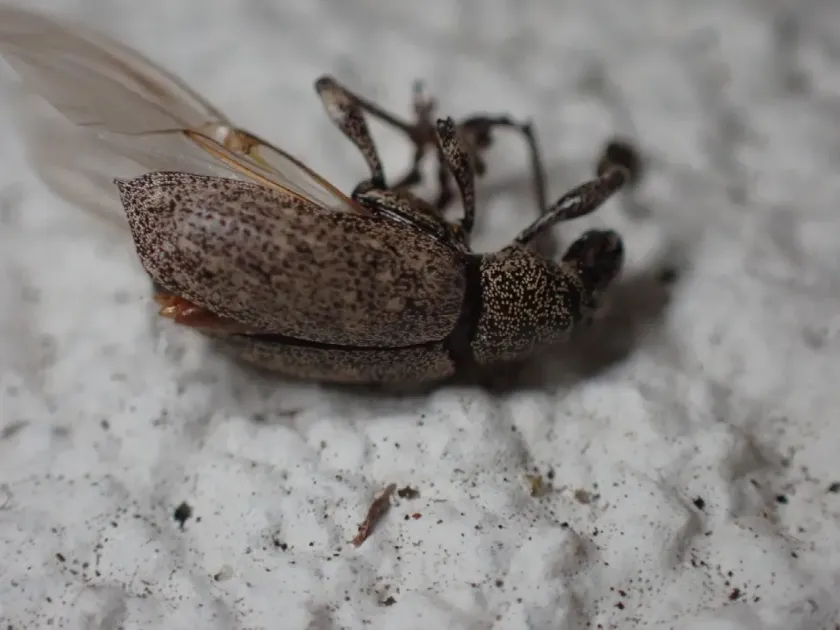
Description
How to identify
Lachnopus is a genus of broad-nosed weevils belonging to the family Curculionidae. These beetles are known for their ability to blend into their environment, making them elusive to farmers and gardeners.
The adult weevils typically have a robust, oval-shaped body covered in fine scales. These scales often reflect the color of the host plant foliage, providing excellent camouflage against predators.
As members of the order Coleoptera, they exhibit complete metamorphosis. The genus is predominantly found in tropical and subtropical regions where they can pose a threat to diverse horticultural crops.
The larvae are typically legless, white to creamy in color, and are primarily soil-dwelling or root-feeding, which makes them difficult to detect until significant damage has occurred.
Taxonomically, distinguishing between species within the Lachnopus genus can be challenging and often requires close inspection of morphological traits or reproductive organs by an expert.
What it damages
Lachnopus weevils are notorious for causing damage to a wide array of plants, with citrus crops being particularly susceptible to their feeding habits.
Adults focus on feeding on young leaves, soft shoots, and flower buds. This feeding results in notched leaf margins and significant foliage loss, which reduces the plant's photosynthetic capacity.
The larval stage is often more destructive to the overall health of the plant, as larvae feed on roots. Root damage interferes with the uptake of water and vital nutrients, leading to yellowing leaves and stunted growth.
In cases of heavy infestation, the cumulative impact of adult defoliation and larval root damage can lead to the death of young trees and a drastic reduction in fruit yield.
Open wounds left by the feeding adults serve as entry points for various fungal and bacterial pathogens, which can exacerbate the stress placed on the host plant.
When it appears
Activity levels of Lachnopus adults are closely tied to the growing season. They emerge in larger numbers when conditions are warm and humid, coinciding with new plant growth.
Adults are diurnal, meaning they are most active during daylight hours when they feed on the leaves and buds of their host plants.
The life cycle is influenced by environmental conditions; higher temperatures generally accelerate the maturation process, allowing for overlapping generations to occur within a single year.
During colder or drier periods, the insects often enter a dormant stage, hiding in the soil or protected leaf litter beneath the canopy of host trees.
Monitoring should be most intensive during the spring and summer months, which correspond to the period of peak plant growth and the emergence of adult weevils.
Signs of infestation
The most recognizable symptom of a Lachnopus infestation is the characteristic 'notched' or 'scalloped' edges of leaves caused by adult feeding.
Adult beetles are often observed on the undersides of leaves or along stems. When disturbed, they frequently practice 'thanatosis' or playing dead, falling to the ground to avoid capture.
The presence of frass (insect excrement) on the leaves or branches is a clear indicator that the plant is being actively fed upon by a population of these weevils.
Flower drop or the failure of buds to open properly can indicate that the weevils have been feeding on the generative tissues of the plant.
Wilting of foliage or general thinning of the canopy without an obvious cause may suggest that the root system is currently under attack by the larval stage in the soil.
Control measures
Integrated Pest Management (IPM) is the most effective approach for controlling Lachnopus, focusing on both physical and biological interventions to keep populations low.
Cultural practices, such as maintaining soil health and removing debris from around the base of trees, help disrupt the life cycle of the weevils.
- Application of contact insecticides targeted at the adult emergence period.
- Use of entomopathogenic fungi to suppress larval populations in the soil.
- Deployment of sticky bands or physical barriers on trunks to prevent adults from climbing.
- Regular canopy inspections to identify and remove localized infestations by hand.
- Maintaining vigorous plant health through proper fertilization and irrigation.
When using chemical control, it is essential to ensure that applications are timed to avoid harming beneficial pollinators, particularly if the trees are in bloom.
Taxonomy
- Latin name
- Lachnopus
- Order
- Coleoptera (beetles)
- Family
- Curculionidae
- EPPO code
- LACPSP
Discussion
No discussions yet — be the first.