
Labidura
Labidura
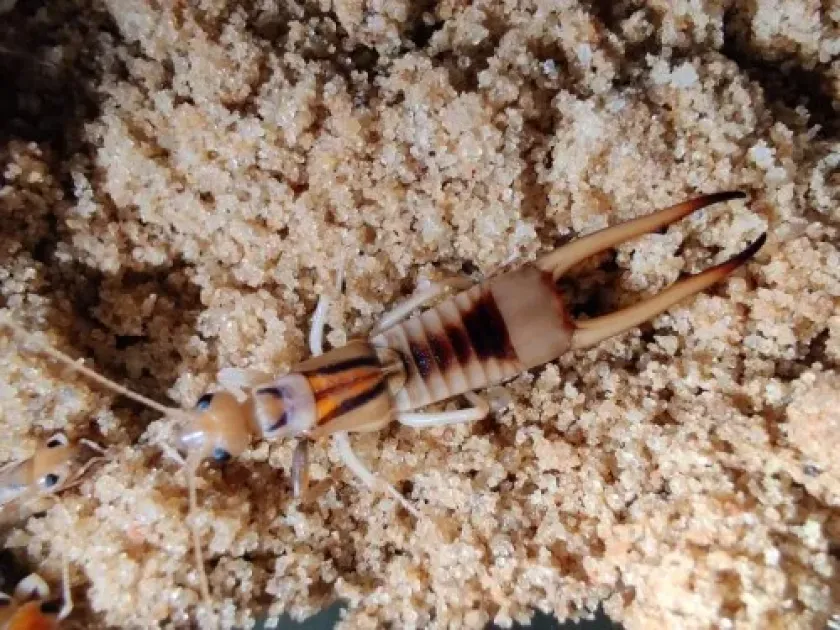
Description
How to identify
Labidura is a genus of insects belonging to the order Dermaptera, family Labiduridae. The most common and representative species is the shore earwig, Labidura riparia.
These insects have an elongated, flattened body that ranges from 16 to 30 mm in length, typically colored in shades of brown or dark tan. The most recognizable feature is the pair of cerci (forceps) at the end of the abdomen.
They are nocturnal creatures that prefer dark, damp environments, spending most of the day hiding under debris, soil cracks, or thick mulch.
The life cycle involves incomplete metamorphosis: egg, nymph, and adult. The female is known for maternal care, guarding the eggs until the nymphs hatch.
Depending on the climate, Labidura can produce multiple generations per year, leading to rapid population growth during warm, humid conditions.
What it damages
Labidura are generalist feeders and can damage a wide range of agricultural crops, including vegetables, cereals, and various ornamental plants.
They pose the greatest threat to seedlings and young transplants, as their robust mouthparts allow them to chew through tender stems near the soil line.
In orchards and berry patches, they feed on ripening fruits, creating tunnels that facilitate rot and fungal infections, making the produce unmarketable.
Their feeding activity is often accompanied by the presence of fecal spots, which contaminate the crops and provide a substrate for secondary pathogens.
The damage caused by these insects often leaves plants vulnerable to secondary infections, which can result in the loss of entire stands if left unmanaged.
When it appears
Activity typically begins in the spring once soil temperatures reach 10-12 degrees Celsius, signaling the end of the overwintering period.
The peak of their population density and damage intensity occurs during the summer months, particularly in periods of warm and humid weather.
As autumn approaches, individuals seek protected overwintering sites, often aggregating in plant debris, under garden structures, or deeper in the soil.
Prolonged rainfall periods often correlate with population surges, as moisture is a critical environmental factor for their successful development and survival.
Gardens with poor sanitation, such as piles of decaying organic matter or thick weed patches, are highly susceptible to persistent Labidura infestations.
Signs of infestation
Early signs of Labidura presence include ragged, notched leaf margins and irregular feeding holes on the tender parts of young foliage discovered in the morning.
The presence of small, black fecal pellets on the surfaces of leaves or fruits near the soil is a strong indicator of their recent nighttime activity.
Severed or partially chewed stems of young seedlings near the soil surface are common symptoms of an infestation in early spring planting beds.
Inspecting common hiding spots such as bricks, boards, or moist piles of mulch during the day often reveals the insects resting in clusters.
In storage areas, vegetables may show excavated tunnels filled with dark excrement and associated mold growth, indicating prior damage from the pests.
Control measures
The most effective strategy involves cultural control: removing weeds, debris, and hiding spots near crops to make the environment less favorable for the pests.
Using trap systems like dampened burlap sacks, rolled cardboard, or straw bundles allows gardeners to collect and destroy the pests in the morning.
Mechanical barriers around young plants, such as seedling guards or copper tape, can prevent the insects from reaching the vulnerable stem tissue.
In cases of severe infestation, targeted application of registered insecticides is recommended, ensuring compliance with local application guidelines and safety protocols.
Promoting natural predators such as ground beetles, spiders, and birds helps to keep the Labidura population in balance through biological control methods.
Taxonomy
- Latin name
- Labidura
- Family
- Labiduridae
- EPPO code
- LABISP
Discussion
No discussions yet — be the first.