
Kissophagus
Kissophagus
Description
How to identify
Kissophagus is a genus of beetles belonging to the Curculionidae family, within the order Coleoptera. These insects are known for their concealed lifestyle, typically inhabiting the inner tissues of woody plants.
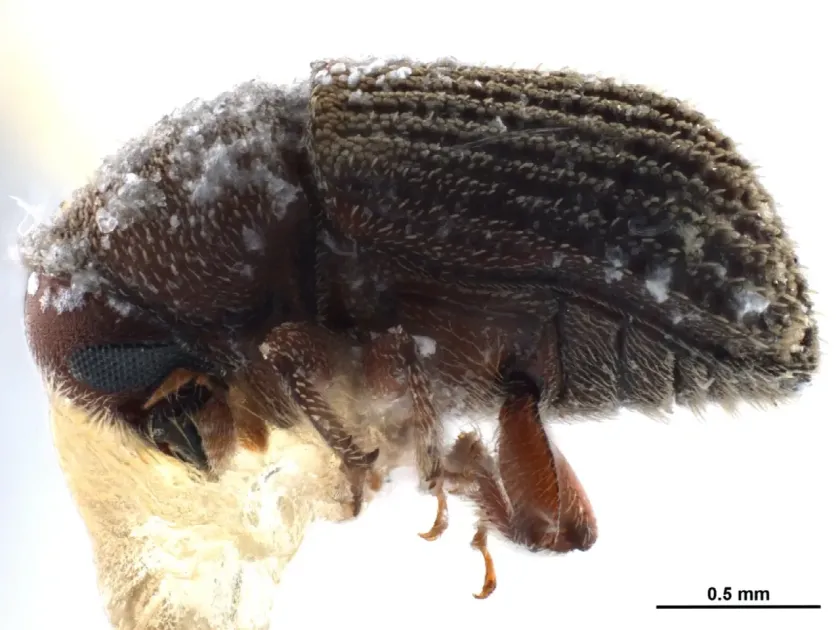
The adult beetles are generally small, often only a few millimeters in length, featuring a dark coloration that aids in camouflage against the bark of host trees. They possess a characteristic rostrum or snout, typical of the weevil family.
Larvae are legless, C-shaped, and cream-colored, with a well-developed head capsule suitable for chewing through woody substrates. Their entire developmental stage is spent protected inside the plant tissue.
Accurate identification to the species level often requires professional entomological examination of morphological features, such as the structure of the genitalia or the texture of the elytral scales.
Due to their small size and cryptic habits, these beetles are often overlooked in the field, with their presence typically confirmed only after significant damage to the plant becomes visible.
What it damages
This pest primarily affects woody plants, including various tree and shrub species in orchards, nurseries, and forest ecosystems. It can cause significant stress to host plants, leading to severe physiological decline.
The damage is mainly caused by larval feeding, as they tunnel through the bark and cambium, effectively disrupting the vascular system and preventing the flow of essential nutrients and water.
Adult beetles also contribute to the damage by feeding on young shoots and bark, which can weaken the plant and serve as an entry point for environmental stressors or opportunistic pathogens.
In cases of high infestation levels, the pest can cause extensive dieback of branches, stunt growth, and in severe instances, lead to the total mortality of the affected plant.
Furthermore, the physical damage inflicted by the beetles provides a gateway for secondary fungal and bacterial infections, which can worsen the plant's condition and accelerate its death.
When it appears
The activity cycle of Kissophagus is highly dependent on ambient temperatures, with the emergence of overwintering adults typically coinciding with the arrival of spring and warmer weather.
The reproductive phase usually occurs during the early summer months, when females bore into the bark to deposit eggs, initiating the life cycle of the new generation.
Depending on the geographic region and climatic conditions, the pest may undergo one or more generations throughout the growing season, with peak activity observed during the hottest months.
Wintering occurs at various stages, often as larvae or adults, hidden within the bark or the leaf litter, protected from extreme cold and desiccation by the woody plant material.
Integrated pest management programs should focus on monitoring for adult activity in early spring, as this is the most critical time for preventative actions and early detection.
Signs of infestation
A primary indicator of infestation is the presence of small entry holes in the bark, often accompanied by the oozing of sap or resin, as the tree attempts to defend itself against the invaders.
Yellowing, wilting, or premature shedding of leaves on individual branches are classic signs that the vascular system is being compromised, typically indicating heavy infestation by larvae.
The accumulation of fine sawdust or boring dust near the base of the tree or in bark crevices is a clear signal that larvae are actively feeding and creating galleries within the wood.
Distorted bark surfaces or localized lesions can also be observed, which are symptoms of the plant's reaction to the tunneling process and the destruction of the cambial layer.
Close inspection of the affected areas often reveals characteristic patterns of galleries under the bark, which can be diagnostic for identifying the presence of this specific weevil genus.
Control measures
Effective control requires an integrated approach that prioritizes sanitary practices, such as the removal and destruction of infested branches to curb the spread of the beetle population.
Chemical control involves the timely application of systemic insecticides that can penetrate the plant tissues, targeting larvae feeding within the wood where contact insecticides are ineffective.
Biological control methods, including the preservation of natural predators and parasitoids, play a crucial role in maintaining the balance of the ecosystem and suppressing the pest population naturally.
Good horticultural practices, such as proper irrigation, balanced fertilization, and avoiding plant stress, are essential for maintaining plant vigor and enabling trees to withstand pest impacts.
- Sanitary pruning and destruction of infested woody parts.
- Use of systemic insecticides during peak adult activity periods.
- Deployment of pheromone traps for monitoring and early detection.
- Maintaining optimal plant health to enhance natural resistance.
Taxonomy
- Latin name
- Kissophagus
- Order
- Coleoptera (beetles)
- Family
- Curculionidae
- EPPO code
- KISSSP
Discussion
No discussions yet — be the first.