
Japyx
Japyx
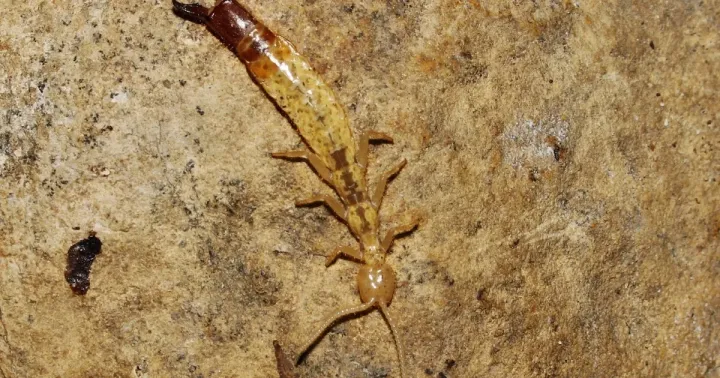
Description
How to identify
Japyx is a genus of arthropods belonging to the order Diplura and the family Japygidae. These are small, elongated organisms that reside exclusively in the soil.
The body is unpigmented and lacks eyes, as they have evolved to live in complete darkness within soil pores and organic matter layers.
The most distinctive feature of the Japyx genus is the pair of large, pincer-like cerci located at the end of the abdomen, used for defense and prey capture.
They undergo ametabolous development, meaning the nymphs look almost identical to the adults, differing only in size and reproductive maturity.
Japyx species are moisture-loving and thrive in environments rich in organic content, such as compost heaps, damp soil, and greenhouse substrates.
What it damages
While primarily predators feeding on other small soil invertebrates, Japyx can switch to phytophagy when prey is scarce or populations are high.
They cause damage to young seedlings, tender root systems, and germinating seeds, often feeding on the soft tissues below the soil line.
Greenhouse crops are particularly vulnerable as these environments provide consistent humidity and shelter, allowing Japyx to thrive throughout the year.
The physical damage caused by the pincers creates wounds on the roots, which become entry points for soil-borne pathogens and root rots.
Heavy infestations can lead to significant stunting, reduced crop yield, and, in severe cases, the complete loss of young seedlings.
Signs of infestation
Symptoms often start with sudden wilting of young plants, especially during the early stages of development when the root system is still fragile.
Close inspection of the root zone will reveal small pits, chewed-off root tips, and uneven tissue damage that differs from typical root decay.
The presence of adults or juveniles during soil sampling or irrigation is a definitive indicator of an active population in the substrate.
Poor seedling establishment and irregular growth patterns in a crop plot often suggest the presence of soil-dwelling pests like Japyx.
Chlorosis and nutrient deficiency symptoms on the leaves, despite adequate fertilization, often point to a compromised root system caused by pest feeding.
Control measures
Effective management begins with soil cultivation and regular tilling, which disrupts the habitat and exposes eggs to environmental stressors.
Removing plant debris and managing moisture levels can significantly reduce the attractiveness of a site for these moisture-dependent arthropods.
In greenhouses, steam sterilization of the soil or growing media is the most effective way to eliminate all life stages of the pest.
Biological control options involve maintaining a healthy soil ecosystem where natural predators can keep the Japyx population in check.
Chemical control via soil insecticides should be used as a last resort, ensuring that applications target the root zone during the peak activity period.
Taxonomy
- Latin name
- Japyx
- Family
- Japygidae
- EPPO code
- JAPYSP
Discussion
No discussions yet — be the first.