
Jaera albifrons
Jaera albifrons
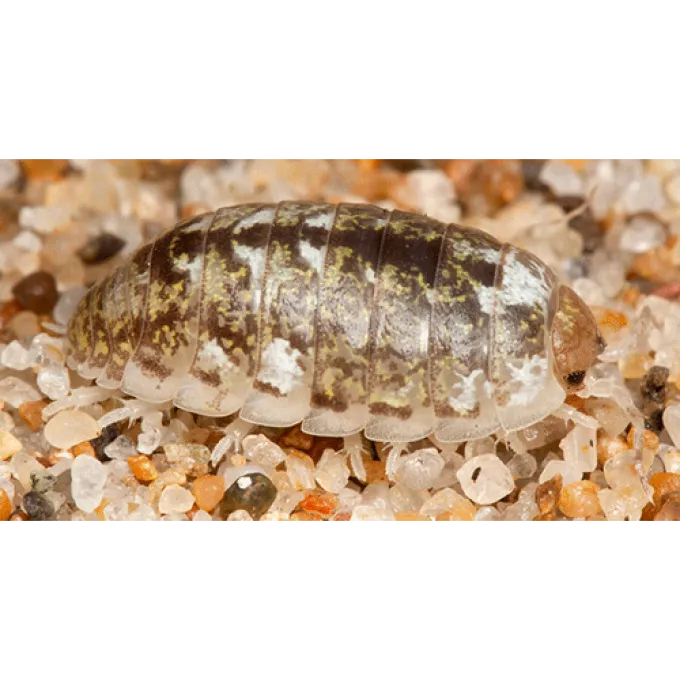
Description
How to identify
Jaera albifrons is a small marine isopod belonging to the Janiridae family. It is typically found in the intertidal zone, characterized by a flattened body structure and seven pairs of walking legs adapted for creeping on algae surfaces.
The morphology of these crustaceans is highly diverse, with coloration patterns that aid in camouflage. Adult individuals measure only a few millimeters in length, making them difficult to detect during initial stages of infestation.
The life cycle is direct, meaning there is no free-swimming larval stage. Females carry eggs in a brood pouch, and juveniles emerge as miniature versions of adults, ready to feed on available substrate immediately.
They possess a well-developed sensory system to navigate the complex environment of seaweed beds. Eyes are positioned laterally, allowing them to detect environmental changes such as light intensity and tidal fluctuations.
Reproduction is efficient, and populations can grow rapidly under favorable conditions, particularly when the presence of suitable algal hosts provides ample nutrition and shelter from environmental stressors.
What it damages
In aquaculture, Jaera albifrons acts as a herbivore that scrapes the surface of macroalgae. While primarily feeding on epiphytes, they often cause significant mechanical damage to the host plant tissues during this process.
The feeding activity compromises the integrity of the algal thallus, making it highly susceptible to pathogens. Bacterial and fungal infections often enter through the wounds created by the isopods, leading to necrosis.
High population densities can lead to the thinning of crop stands. If left uncontrolled, the damage can become widespread, resulting in significant yield loss for seaweed farmers and reduced product quality.
The destruction of tender young tissues is particularly harmful during the early growth phases of the crop. This delays harvest times and requires costly intervention to mitigate the damage to the production cycle.
Furthermore, the accumulation of waste products by large colonies of isopods can lead to localized water quality degradation. This further stresses the plants and promotes the growth of opportunistic pests or diseases.
Control measures
Management of Jaera albifrons in commercial seaweed operations focuses on environmental manipulation. Adjusting salinity levels and flow velocity can create conditions that inhibit the survival and reproduction of the isopods.
Biological control involves the introduction of small fish species that predate on isopods. This helps maintain the population at a manageable level without relying on synthetic chemicals that could damage the environment.
Mechanical control measures are highly recommended, including periodic cleaning and rinsing of cultivation ropes or substrates. Removing the isopods from the plants prevents them from establishing dense colonies.
Physical barriers or fine mesh screens can be utilized in some setups to prevent the colonization of juvenile isopods. This is particularly effective in protected nursery environments for young seedlings.
Ongoing monitoring of population density is crucial for successful management. By detecting outbreaks early, farmers can take timely action to minimize damage and ensure the health and productivity of the seaweed crop.
Taxonomy
- Latin name
- Jaera albifrons
- Family
- Janiridae
- EPPO code
- JAERAL
Discussion
No discussions yet — be the first.