
Jaera
Jaera
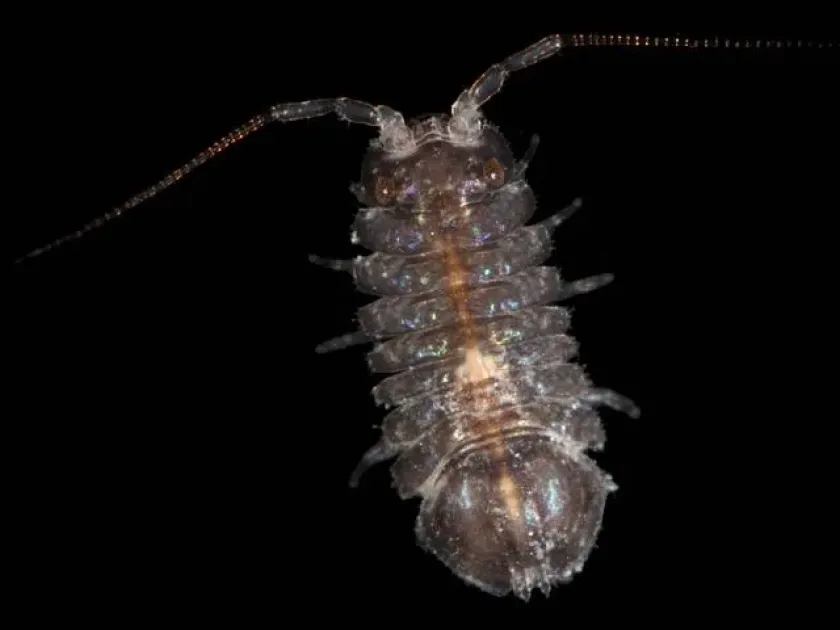
Description
How to identify
The genus Jaera comprises small isopod crustaceans belonging to the family Janiridae, typically found in aquatic or moist intertidal environments.
Their body is dorso-ventrally flattened and encased in a chitinous exoskeleton, which provides protection while allowing them to crawl along submerged surfaces.
They possess seven pairs of walking legs, enabling them to move rapidly across water-logged substrates or the roots of aquatic vegetation.
As detritivores, they naturally inhabit environments rich in decaying organic matter, which serves as their primary food source in the wild.
Their reproduction is direct, with females carrying developing young in a specialized brood pouch until they are ready to become independent.
What it damages
Jaera is generally not considered an agricultural pest in soil-based farming; however, they can become a nuisance in indoor hydroponic or aquaponic setups.
In these controlled environments, they may feed on young, tender root hairs, causing minor physical injury that can weaken the plant over time.
The primary concern is not just direct feeding but the secondary bacterial issues that may arise from the wounds created on the root systems.
High populations of these crustaceans can clog delicate irrigation equipment, sensors, and filtration screens, leading to systemic operational issues.
While rarely causing complete crop failure, their presence indicates an excess of organic waste within the hydroponic nutrient solution.
Signs of infestation
The presence of Jaera is often first noticed when seeing small, scurrying organisms within drainage pipes, water reservoirs, or on the damp surface of growing media.
Root inspection may reveal microscopic superficial grazing patterns or tissue damage that is not attributable to common fungal or bacterial pathogens.
Cloudiness in the nutrient solution or the buildup of organic films on the walls of containers often coincides with an increase in their population.
Plants may exhibit localized stunted growth, likely due to reduced nutrient uptake efficiency caused by the damage to the root hair zone.
Mechanical failure of sensors or reduced water flow through irrigation emitters is a common symptom of high crustacean density in the system.
Control measures
Regular sanitation of all hydroponic components, including pumps, tanks, and tubing, is the most effective way to keep Jaera populations in check.
Implementing fine-mesh mechanical filtration at the intake points prevents the migration of crustaceans into the main nutrient distribution lines.
Maintaining high water quality and removing any dead plant material immediately reduces the available food sources for these detritivores.
In cases of heavy infestation, a complete system flush with approved disinfecting agents is recommended to reset the environment.
Monitoring the nutrient solution for excess organic buildup helps prevent the conditions required for their survival and reproduction.
Taxonomy
- Latin name
- Jaera
- Family
- Janiridae
- EPPO code
- JAERSP
Discussion
No discussions yet — be the first.