
Isotenes
Isotenes
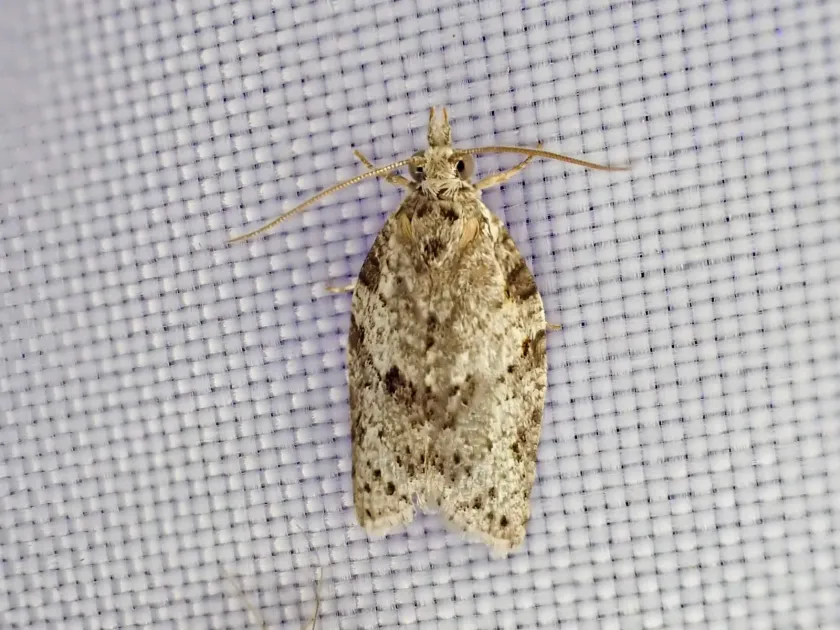
Description
How to identify
The genus Isotenes belongs to the Tortricidae family, within the order Lepidoptera. These are typically small moths known for their cryptic coloration, which helps them blend into tree bark and foliage.
Adult moths exhibit the characteristic resting posture of the Tortricidae family, holding their wings in a roof-like position over their bodies. They are often patterned in shades of brown and grey.
The larvae, or caterpillars, are equipped with robust mouthparts designed for chewing through plant tissue. Their bodies are cylindrical and segmented, usually featuring a darker head capsule.
The life cycle involves complete metamorphosis, consisting of four stages: egg, larva, pupa, and adult. Each stage is adapted to specific environmental conditions to ensure species survival.
Accurate identification of Isotenes species often requires a detailed examination of genitalia, as many members of the genus look remarkably similar externally.
What it damages
These pests primarily target fruit trees and various ornamental plants. In warm climates, they can produce multiple generations per season, leading to significant cumulative damage.
Larvae cause damage by feeding on buds, young leaves, and growing shoots. In some cases, they bore into fruits, which often results in premature fruit drop and increased susceptibility to secondary rot.
Heavy infestations can lead to the deformity of young shoots, stunting the plant's growth and overall development. This weakened state makes the host plant more vulnerable to environmental stress.
The feeding sites created by the larvae serve as entry points for various phytopathogens, including fungi and bacteria, which can cause local necrosis and tissue decay.
The economic impact of Isotenes includes both direct yield loss and reduced commercial quality of fruits, necessitating rigorous monitoring and management efforts.
Signs of infestation
One of the earliest signs of an Isotenes infestation is the appearance of silk webbing on terminal shoots. Larvae often tie leaves together, creating shelters or nests for protection.
Visual symptoms include irregular feeding holes, skeletonized leaves, and the presence of frass (larval droppings) within the rolled or tied foliage of the host plant.
Damage to buds during the early season is common, often resulting in the destruction of growing points and poor branch development. Flower buds may also be targeted, reducing fruit set.
Surface blemishes or deep galleries on fruit are indicative of larval activity. These injuries are usually associated with the later stages of larval development.
Pheromone traps are highly effective in detecting the presence and peak flight periods of adults, which provides vital data for timing control interventions.
Control measures
Integrated Pest Management (IPM) is essential for controlling Isotenes. This approach combines cultural, biological, and chemical methods to maintain pest levels below economic thresholds.
Cultural control involves the pruning and destruction of infested shoots and branches where larvae may be hiding. Maintaining healthy plant vigor through proper fertilization and irrigation is also beneficial.
Biological control relies on naturally occurring parasitoids and predators, such as tachinid flies and braconid wasps, which can help keep population densities in check.
Chemical control should be targeted at the most vulnerable larval stages. It is recommended to use selective insecticides that preserve beneficial insects and natural enemies.
- Monitoring with pheromone traps
- Sanitary pruning of infested parts
- Application of biological insecticides (e.g., Bt)
- Targeted chemical treatments during larval emergence
- Implementation of regular field inspections
Taxonomy
- Latin name
- Isotenes
- Order
- Lepidoptera (butterflies)
- Family
- Tortricidae
- EPPO code
- ISOTSP
Discussion
No discussions yet — be the first.