
Purslane weevil
Hypurus
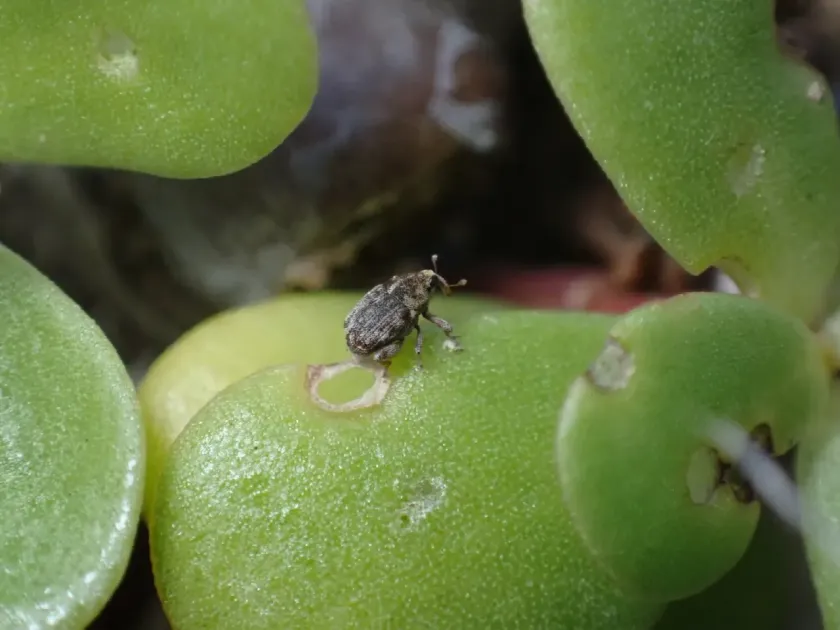
Description
How to identify
The purslane weevil, scientifically known as Hypurus bertrandi, is a beetle of the Curculionidae family. It is a specialist pest that has evolved specifically to feed on plants within the Portulacaceae family.
Adult beetles are relatively small, typically dark-colored, and possess a long, characteristic snout. Their cryptic coloration provides excellent camouflage against soil and the foliage of the host plants.
The larvae are legless, white to yellowish in color, and have a distinctively dark head capsule. They spend their entire developmental phase within the plant tissues, which protects them from environmental factors and many external predators.
The life cycle follows a complete metamorphosis pattern. Adults overwinter in the soil or in sheltered debris, emerging in the spring when temperatures become favorable for host plant growth.
This beetle is rarely found on crops other than purslane, making it a highly specialized pest with a predictable, albeit destructive, presence in infested areas.
What it damages
The primary host for this pest is common purslane (Portulaca oleracea). Both the adults and the larvae cause damage, though the nature of the destruction varies by the life stage of the insect.
Adults consume leaves, creating noticeable shot-hole patterns. When infestation levels are high, this feeding behavior significantly reduces the aesthetic and nutritional quality of the plant.
Larval activity is often more damaging, as they mine the stems and petioles. This internal tunneling disrupts the flow of nutrients and water, often causing wilting and stunted growth of the plant.
In commercial agriculture, the presence of these weevils can render purslane unmarketable, leading to significant economic losses for growers of this salad crop.
Secondary infections of fungi or bacteria often enter the plant through the wounds created by the larvae, further compromising the health of the already stressed purslane.
Signs of infestation
The most recognizable sign of infestation is the presence of small, circular holes in the leaves caused by adult feeding. This leaf-shredding effect is usually the first indicator that a population is present.
Stems that exhibit localized swelling or distorted, curving growth often indicate that larvae are tunneling inside. Such stems eventually weaken and may fail to support the plant.
Yellowing of the foliage, particularly on specific stems, suggests internal damage to the vascular system caused by larval feeding, which prevents water from reaching the upper parts of the plant.
During the day, adult beetles can sometimes be found hiding in the leaf axils or near the base of the plant. They are known to drop to the ground and play dead when disturbed.
If you split an infested stem, you will typically find the small, pale larvae inside. Their presence is a definitive diagnostic sign of a Hypurus infestation.
Control measures
Cultural control is the most effective starting point. Removing and destroying infested plant material promptly prevents the next generation of weevils from completing their life cycle.
Practicing good sanitation by clearing away crop residues at the end of the season reduces the availability of overwintering sites for the adult beetles, effectively lowering the pest population for the next year.
For small-scale growers, manual removal of beetles and infested stems can be surprisingly effective if carried out consistently during the early stages of infestation.
When chemical intervention is necessary, select insecticides that are approved for use on edible greens. Always read labels to ensure compliance with pre-harvest intervals and safety protocols.
- Monitor crops for leaf damage early in the season.
- Practice crop rotation to disrupt the life cycle.
- Till the soil post-harvest to expose overwintering stages.
Taxonomy
- Latin name
- Hypurus
- Order
- Coleoptera (beetles)
- Family
- Curculionidae
- EPPO code
- HYPUSP
Discussion
No discussions yet — be the first.