
Hypsonotus
Hypsonotus
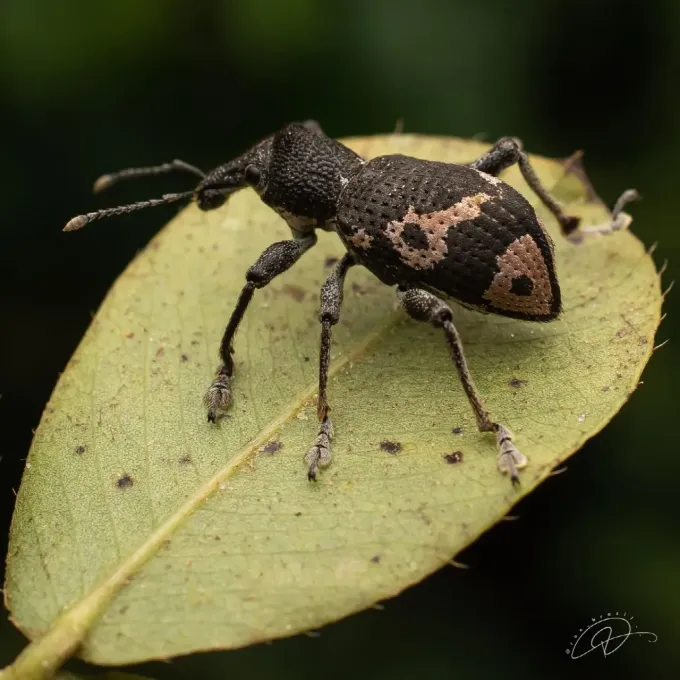
Description
How to identify
Hypsonotus is a genus of weevils belonging to the family Curculionidae within the order Coleoptera. These beetles are characterized by a distinct rostrum (snout) and are generally small in size.
Adult beetles typically possess a cryptic coloration that allows them to blend into soil surfaces or plant debris, making them difficult to spot during daylight hours.
The larvae are typically legless, white to cream-colored, with a characteristic C-shaped body posture. They reside primarily in the rhizosphere of host plants.
The life cycle involves distinct stages including egg, larval development in the soil, pupation, and the emergence of adult beetles that feed on aerial plant parts.
Accurate identification of the species requires specialized entomological knowledge due to the high morphological similarity between various weevil genera in agricultural settings.
What it damages
Hypsonotus acts as a polyphagous pest, capable of causing damage to a wide range of agricultural crops, particularly during their early developmental stages.
Adult beetles feed on the foliage, leaving irregular holes and notched leaf margins. Severe feeding can significantly reduce the photosynthetic capacity of the plants.
The larval stage is often considered the most destructive, as they feed on the root systems, severing smaller roots and damaging taproots, which leads to stunted plant growth.
Root damage caused by Hypsonotus larvae impairs the plant's ability to uptake water and nutrients, resulting in decreased stress tolerance and lower crop yields.
In high-density infestations, the feeding activity can cause seedling mortality, leading to significant gaps in plant population and economic losses.
Signs of infestation
Key indicators of infestation include notched leaf margins and irregular holes on leaves caused by the nocturnal feeding of adult beetles.
The presence of white, C-shaped larvae within the root zone during soil sampling provides conclusive evidence of a Hypsonotus infestation.
General wilting and loss of vigor in crops, especially during periods of water stress, often suggest damaged root systems due to larval activity.
Patches of reduced growth or yellowing plants in the field are common symptoms of localized populations of this pest established in the soil.
Regular monitoring of field edges and lower plant strata during dusk can reveal the presence of adult beetles, confirming their active status.
Control measures
Crop rotation is the most effective cultural practice to disrupt the life cycle of the pest and prevent the build-up of larval populations in the soil.
Deep fall tillage is recommended to expose larvae and pupae to environmental conditions, which significantly reduces their survival rates before the next season.
Chemical control involving systemic or contact insecticides should be applied during the peak activity of adult beetles to maximize field efficacy.
Integrated Pest Management (IPM) programs should incorporate monitoring through soil analysis to determine the necessity and timing of corrective treatments.
- Maintaining field hygiene by removing weeds.
- Using trap crops to concentrate and manage pest populations.
- Applying entomopathogenic fungi as a biological control measure.
- Optimizing planting times to allow plants to establish strong root systems.
Taxonomy
- Latin name
- Hypsonotus
- Order
- Coleoptera (beetles)
- Family
- Curculionidae
- EPPO code
- HYNTSP
Discussion
No discussions yet — be the first.