
Coffee berry borer
Hypothenemus eruditus
Description
How to identify
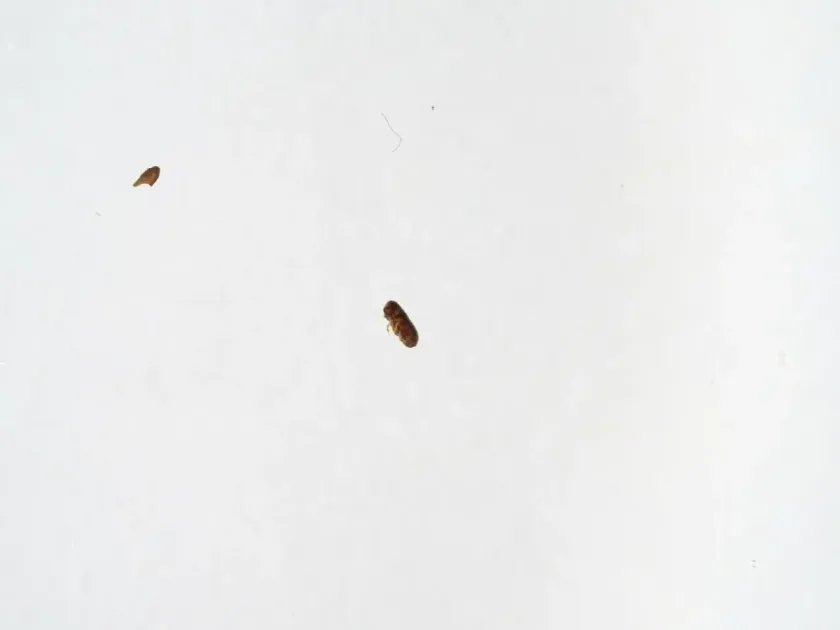
The coffee berry borer (Hypothenemus eruditus) is a destructive pest belonging to the Curculionidae family within the order Coleoptera.
It is a tiny insect, with adult beetles typically measuring between 1.5 and 2.0 mm in length, making them difficult to spot in the field.
The adults are characterized by their cylindrical, dark brown to black bodies, perfectly adapted for boring into hard plant tissues.
The larval stage consists of small, legless, white-colored grubs that remain hidden inside the coffee bean throughout their entire development.
The species exhibits a complex social structure and reproductive cycle within the fruit, where females lay eggs and provide protection for their offspring.
What it damages
The primary hosts of this pest include coffee trees, as the larvae feed exclusively on the endosperm of the coffee bean inside the fruit.
By consuming the seed, the larvae destroy the bean, rendering it worthless for commercial coffee production and processing.
The beetle can also infest various other plant species, including cocoa, nuts, and various tropical seeds, maintaining its population in the absence of coffee.
Heavy infestations can cause significant economic losses, often exceeding 50% of the potential harvest if no management practices are applied.
Damage often leads to secondary infections by fungi and bacteria, which cause the fruits to rot and drop prematurely from the branches.
Signs of infestation
The most common sign of infestation is the presence of tiny, circular holes on the surface of the coffee cherry, where the female entered to lay eggs.
Inside the coffee cherry, internal galleries and boreholes filled with "frass" (a powdery mix of waste and bean tissue) are clear indicators of larval activity.
Infested berries may change color prematurely or appear shriveled, often resulting in them falling from the tree earlier than healthy ones.
When cutting open a suspect bean, the presence of adult beetles or the white larvae confirms the identity of the pest.
Visible deterioration of the bean texture and smell, characterized by mold and decay, often accompanies severe infestations.
Control measures
The most effective strategy involves strict sanitation, which includes harvesting all berries from the tree, including those on the ground, to break the life cycle.
Proper pruning practices are essential to improve canopy air circulation and sunlight exposure, creating a less hospitable environment for the pest.
Trapping systems using synthetic attractants (kairomones) are used to monitor the beetle population and provide data for timing pesticide applications.
Chemical control involves the use of registered insecticides, but they must be applied precisely during the flight period to be effective.
Biological control using entomopathogenic fungi or parasitic wasps is an increasingly popular sustainable method for managing borer populations in organic coffee systems.
Taxonomy
- Latin name
- Hypothenemus eruditus
- Order
- Coleoptera (beetles)
- Family
- Curculionidae
- EPPO code
- HYOTEU
Discussion
No discussions yet — be the first.