
Tropical coffee borer
Hypothenemus crudiae
Description
How to identify
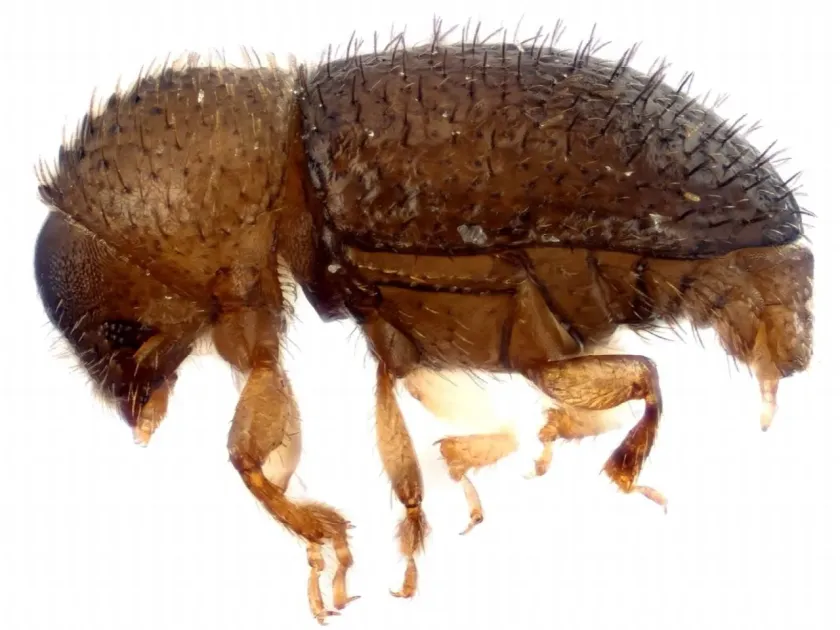
The tropical coffee borer (Hypothenemus crudiae) is a small insect belonging to the Coleoptera order, Curculionidae family, and Scolytinae subfamily. Mature individuals are tiny, typically measuring between 1.5 and 2 mm in length, with a cylindrical, dark-brown to black body.
Females are the primary agents of damage, as they are capable of active flight and excavation of galleries within plant tissues. Males, significantly smaller, primarily dwell inside the galleries established by females.
This species is highly adapted to tropical climates, thriving under conditions of high humidity and temperatures ranging from +25°C to +30°C. These conditions facilitate rapid completion of the lifecycle, from egg to adult.
The life cycle involves egg, larva, pupa, and adult stages, all occurring predominantly inside the host fruit. This protected environment shields the offspring from natural predators and environmental stressors.
Due to their high reproductive potential and ability to colonize various hosts, these insects can rapidly build up significant populations, posing a severe threat to commercial coffee production across tropical regions.
What it damages
The primary economic damage caused by Hypothenemus crudiae occurs in coffee plantations, where the beetles bore into the fruit to feed on the endosperm. This results in direct loss of marketable yield and quality degradation.
The pest is polyphagous and also infests cocoa pods, oil palm fruits, and various leguminous seeds. This versatility allows the beetle to maintain its population levels even when the primary host crop is not available.
Larvae feed exclusively inside the seeds, creating complex tunnels that destroy the grain structure. Consequently, the infested seeds become hollow or fragmented, rendering them unsuitable for roasting or export.
Infestation often facilitates secondary colonization by pathogenic fungi and bacteria, which enter the fruits through the entry holes made by the beetles. This further deteriorates the quality and increases post-harvest losses.
In cases of heavy infestation, significant percentages of the total harvest can be destroyed. Farmers face not only total loss of damaged fruits but also increased labor costs for sorting and processing the healthy portion of the crop.
Signs of infestation
The most distinctive sign of Hypothenemus crudiae infestation is the presence of small, circular entry holes on the skin of the coffee cherries or on dry beans. A fine, powdery dust of frass is often visible around these entrance holes.
Internally, infested cherries contain larvae and adult beetles alongside debris from the bored tissues. Affected seeds show hollow chambers and significant physical damage to the endosperm.
Premature fruit drop is a common field indicator of a severe infestation. Observing a carpet of prematurely fallen berries beneath the canopy is a critical warning sign for management teams to take immediate action.
In warehouses, the presence of the beetle is marked by the accumulation of dust beneath storage bags and a characteristic smell resulting from the beetle's biological activity and associated microbial growth.
Monitoring using pheromone-based traps is the standard practice for early detection. These traps provide crucial data on population fluctuations, allowing for targeted timing of control operations.
Control measures
Sanitation is the cornerstone of management. Regular and thorough collection of all fallen fruits from the ground is essential to remove breeding sites and reservoirs for the next generation of beetles.
Cultural practices such as proper pruning and canopy management help optimize airflow within the plantation. Reduced humidity in the microclimate can significantly inhibit the development of the borer population.
Biological control methods, such as the application of entomopathogenic fungi like Beauveria bassiana, have proven effective in reducing beetle densities while minimizing the environmental footprint on the plantation.
Chemical control should be applied strategically, targeting the period when adult females are migrating to new fruits. It is vital to use approved insecticides and rotate active ingredients to prevent the development of resistant populations.
Strict phytosanitary inspections and rigorous drying processes for coffee beans are necessary to stop the spread of the pest to uninfested regions. Maintaining low moisture content in stored beans prevents further larval development in the warehouse.
Taxonomy
- Latin name
- Hypothenemus crudiae
- Order
- Coleoptera (beetles)
- Family
- Curculionidae
- EPPO code
- HYOTHI
Discussion
No discussions yet — be the first.