
Hyphantus
Hyphantus
Description
How to identify
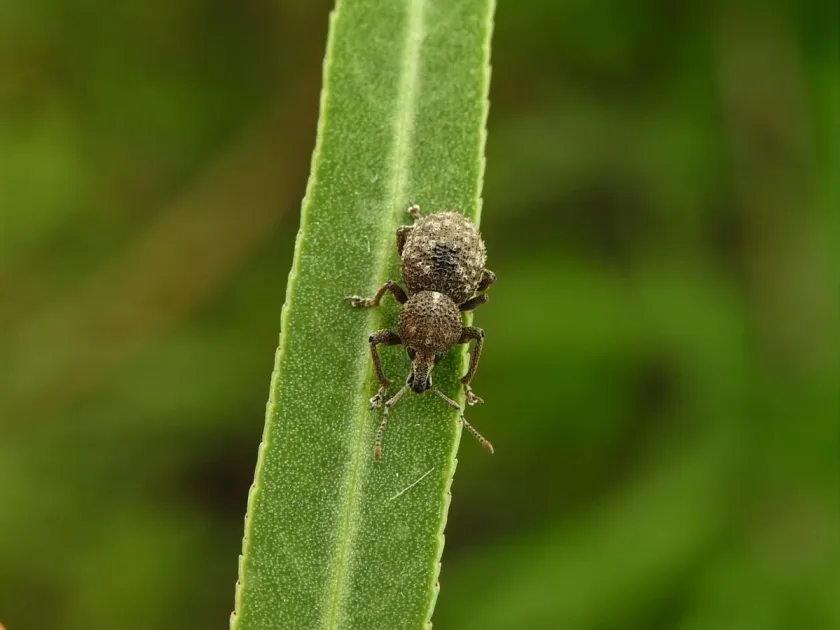
Hyphantus is a genus of weevils belonging to the family Curculionidae. Like all members of this large taxonomic group, they are characterized by an elongated snout, or rostrum, which is used for feeding and laying eggs.
Adult beetles generally have a hard, sclerotized body surface, often covered with scales or setae that provide cryptic coloration, helping them blend into their natural environment.
Systematically, they are classified within the order Coleoptera. Identifying specific species within the genus often requires specialized knowledge of the beetle's morphology.
The larvae are typically legless, white or yellowish, with a well-developed head capsule. They are often found residing within plant tissues or in the surrounding soil layers.
Adults are known for their defensive behavior, where they immediately drop to the ground and remain motionless when they perceive a threat or vibration.
What it damages
Hyphantus species can cause significant damage to a variety of woody plants and shrubs, impacting both the foliage and the structural health of the plant.
Adults feed primarily on leaves, creating distinct notch-like patterns on the edges, which reduces the surface area available for photosynthesis.
In high-density populations, the feeding activities can lead to severe defoliation, particularly in young saplings or weakened trees during the active growing season.
Besides foliage, these weevils may also damage buds, flowers, and even stems, potentially stunting the growth and reducing the overall reproductive capacity of the plant.
Plant wounds inflicted by these beetles often serve as entry points for secondary infections by pathogens, such as fungi or bacteria, which can cause long-term damage.
When it appears
The life cycle and activity of Hyphantus are heavily influenced by local climate conditions, with adults emerging from dormancy as temperatures rise in the spring.
Feeding activity typically peaks during the early part of the vegetative stage, as the emergence of fresh, succulent growth coincides with the beetle's primary feeding needs.
Throughout the warmer summer months, the adults may become less noticeable, adopting a cryptic lifestyle to avoid extreme heat and predator pressure.
Overwintering usually takes place in the adult stage, with the insects seeking refuge under tree bark, in leaf litter, or within the upper layers of the soil.
The total duration of the life cycle varies depending on the species and environmental factors, with some generations completing their development within a year.
Signs of infestation
The most recognizable sign of an infestation is the presence of irregular, notched feeding patterns along the margins of leaves, often referred to as leaf-notching.
Observing the canopy during the morning or evening hours may reveal the presence of beetles clinging to the undersides of leaves or along stems.
If the tree is shaken, adults often drop to the ground abruptly, which is a key behavioral sign used by agronomists to monitor population levels.
A decline in tree vigor, including yellowing leaves or stunted development of new buds, can indicate that the plants are under stress from larval or adult feeding.
- Characteristic jagged or notched leaf edges.
- Sudden presence of beetles when shaking branches.
- Wilted or stunted shoots during the spring growth phase.
Control measures
Effective management begins with strict sanitation practices, such as the removal of leaf litter and debris where the adults commonly overwinter.
The installation of sticky barriers or mechanical traps on trunks can be an effective way to prevent non-flying adults from climbing up to the canopy.
Chemical control involving systemic or contact insecticides should be applied during peak activity periods if population levels exceed established economic thresholds.
Promoting a healthy ecosystem that supports natural predators, such as insectivorous birds and parasitic wasps, can help keep weevil populations in balance.
Regular field scouting and monitoring are essential for detecting the first signs of activity, allowing for targeted intervention before severe damage occurs.
Taxonomy
- Latin name
- Hyphantus
- Order
- Coleoptera (beetles)
- Family
- Curculionidae
- EPPO code
- HPHASP
Discussion
No discussions yet — be the first.