
Homoeosoma vagella
Homoeosoma vagella
Description
How to identify
Homoeosoma vagella is a species of moth belonging to the Pyralidae family. It is recognized as a pest species that can cause significant damage to specific plant groups, primarily within the Asteraceae family.
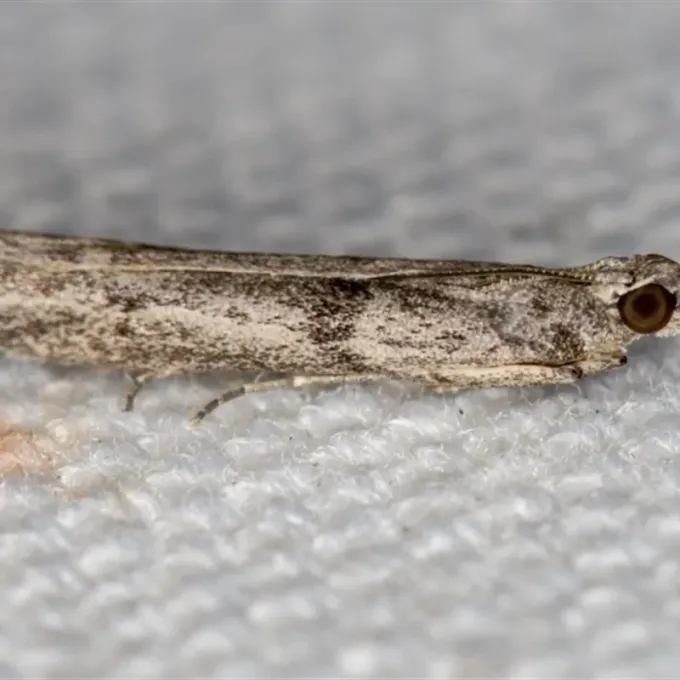
The adult moth is characterized by its dull, brownish-grey wing coloration, which provides excellent camouflage against plant surfaces during the daylight hours.
The larval stage, or caterpillar, is the period during which the most significant damage occurs. These larvae are equipped with chewing mouthparts that allow them to consume plant tissue efficiently.
The life cycle follows a complete metamorphosis including egg, larva, pupa, and adult stages. Environmental factors such as humidity and temperature play a critical role in the speed of their development.
Hibernation usually occurs in the pupal stage or as late-instar larvae within the soil or debris, allowing the population to survive unfavorable winter conditions.
What it damages
The primary hosts of Homoeosoma vagella are plants within the Asteraceae family. This includes various agricultural crops and wild species that serve as a bridge for the pest population.
Larvae primarily infest the flower heads. By feeding on the florets and developing seeds, they directly reduce the seed set and overall yield quality of the crop.
Infestation often facilitates secondary infections. The damage caused by the larvae creates entry points for fungal pathogens and bacteria, leading to rot in the flower heads.
Large infestations can lead to substantial yield losses. The destruction of the inner tissue of the flower head disrupts the plant's reproductive processes significantly.
Even if the plant survives the infestation, the quality of the harvested produce is usually compromised, leading to economic losses due to reduced market value.
Signs of infestation
Visible webbing within the flower heads is the most reliable sign of Homoeosoma vagella presence. The larvae spin this silk to create protected tunnels and feeding shelters.
Accumulation of larval frass (excrement) tangled in the silk webbing is a clear indicator of active feeding within the floral structures.
Entry holes on the exterior of the flower heads are often observed. These small openings indicate where the larvae have burrowed to reach the nutrient-rich inner parts of the flower.
Premature wilting of segments within the flower head or stunted seed development can also be secondary signs of heavy larval activity during the maturation phase.
In advanced stages of infestation, the flower head may look deformed or blackened, especially if secondary pathogens have invaded the damaged tissues.
Control measures
Cultural control practices, such as deep autumn plowing, are highly effective in exposing overwintering pupae to harsh weather conditions and natural predators.
Sanitation measures, including the removal of weeds belonging to the Asteraceae family, are crucial to reduce the availability of alternative hosts for the moth.
Biological control, particularly the use of Trichogramma wasps, can be employed to parasitize the eggs of the moth, effectively reducing the population before significant damage occurs.
Chemical control should be implemented based on economic thresholds determined by monitoring. Targeted spraying during the egg-hatching period is the most effective approach.
Monitoring using pheromone traps is recommended to track the seasonal flight activity of the adults, allowing for precise timing of integrated pest management interventions.
Taxonomy
- Latin name
- Homoeosoma vagella
- Order
- Lepidoptera (butterflies)
- Family
- Pyralidae
- EPPO code
- HMOEVA
Discussion
No discussions yet — be the first.