
Homalinotus
Homalinotus
Description
How to identify
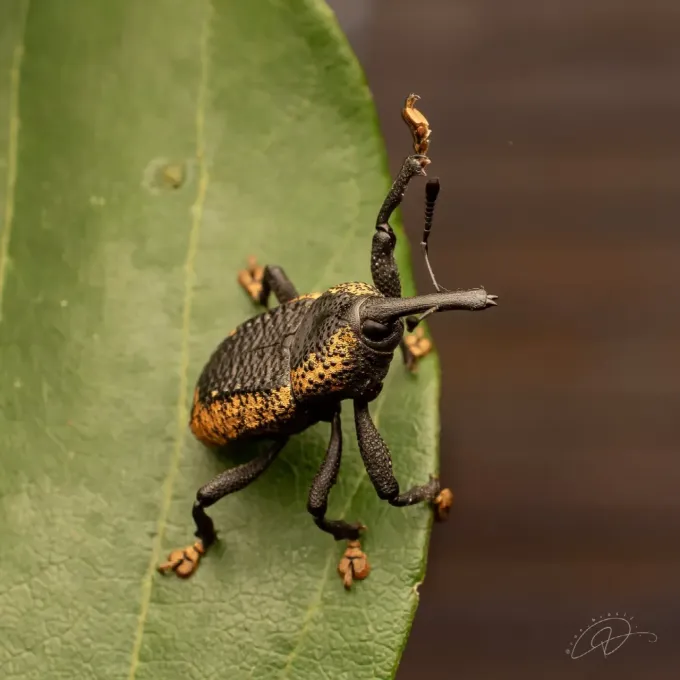
Homalinotus is a genus of weevils belonging to the Curculionidae family. These insects are recognized by their distinct snout, which is typical for weevil morphology, and their robust, dark-colored bodies.
The adults are relatively large, heavily sclerotized beetles capable of boring into the tough fibrous tissues of palm trees. Their dark appearance acts as camouflage within the dense leaf bases and bark of their host plants.
Larvae of Homalinotus are legless, fleshy grubs with a well-developed, dark head capsule. They spend their entire developmental period inside the palm tissues, where they are protected from environmental factors and most predators.
The life cycle undergoes complete metamorphosis, including egg, larva, pupa, and adult stages. Most damage is inflicted during the larval stage, as they feed voraciously on the internal structures of the palm.
These weevils are primarily distributed in tropical regions, where they have evolved to exploit various species within the Arecaceae family, becoming significant pests in agricultural systems.
What it damages
The primary hosts for Homalinotus are economically important palm species, including coconut palms and oil palms. Infestations can lead to severe declines in fruit production and overall tree health.
Beyond agricultural crops, these pests frequently target ornamental palms. In urban landscapes and botanic gardens, Homalinotus can cause the aesthetic deterioration and eventual death of prized specimens.
Larval boring disrupts the vascular system, preventing the transport of water and nutrients. This structural damage causes the palm to weaken significantly, leading to stunted growth or collapse.
Mechanical damage caused by the weevils often facilitates the entry of secondary pathogens, such as fungi and bacteria, which cause rot and accelerate the decline of the host plant.
The cumulative impact of these pests often necessitates the removal and destruction of infested trees to prevent the spread of the infestation to healthy parts of the plantation.
Signs of infestation
The most noticeable sign of a Homalinotus infestation is the presence of sap oozing from holes in the palm trunk or the bases of the petioles. This indicates internal activity by the larvae.
Yellowing and wilting of the central, newly emerging leaf, often referred to as the "spear," is a classic symptom that the apical meristem or growth point has been severely compromised.
Accumulation of fibrous frass (sawdust-like material) at the base of the palm or in leaf axils is a clear indicator that boring larvae are actively tunneling inside the trunk or stem.
Structural instability, such as a trunk tilting or snapping under pressure, often occurs in the later stages of infestation as the internal wood is hollowed out by the feeding larvae.
Occasional sighting of adult beetles crawling on the trunk or resting in the crevices of leaf bases, particularly during the twilight hours, serves as a definitive diagnostic sign of their presence.
Control measures
Effective management begins with strict sanitation: the prompt identification, removal, and burning of heavily infested palms are crucial to reduce the population pressure within an area.
Systemic insecticides are the preferred chemical control method. They can be applied via trunk injection or soil drenching, ensuring that the active ingredients reach the internal tissues where larvae feed.
Monitoring using pheromone traps is highly effective for tracking the seasonal activity of adult weevils, allowing for targeted insecticide applications during the peak flight periods.
Proper agronomic practices, such as balanced fertilization and avoiding unnecessary mechanical wounding of the palms, significantly bolster the plants' natural defense mechanisms against weevil colonization.
- Regular monitoring of plantation health to detect early warning signs.
- Trunk injections with systemic insecticides to kill developing larvae.
- Implementation of pheromone traps to suppress adult beetle populations.
Taxonomy
- Latin name
- Homalinotus
- Order
- Coleoptera (beetles)
- Family
- Curculionidae
- EPPO code
- HOMISP
Discussion
No discussions yet — be the first.