
Variegated mud-loving beetle
Heterocerus
Description
How to identify
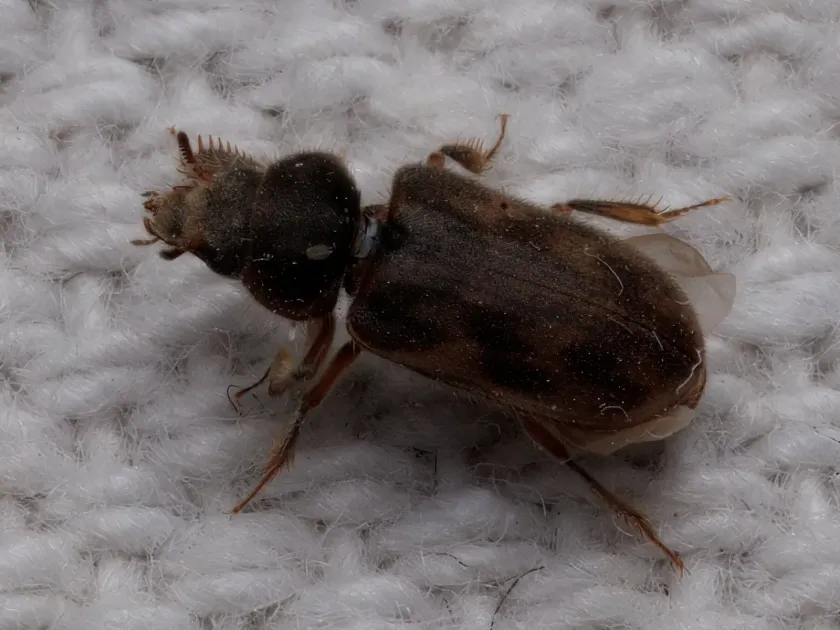
Heterocerus is a genus of beetles in the family Heteroceridae, commonly known as variegated mud-loving beetles. These insects are small, typically measuring 3 to 7 mm in length, and are easily recognized by their densely pubescent (hairy) bodies.
Their front tibiae are broadened and equipped with robust teeth, which are highly specialized for digging tunnels in moist soil, silt, or muddy substrates along the margins of rivers, ponds, and irrigated fields.
The larvae are also adapted for a subterranean life; they are vermiform (worm-like) and possess well-developed thoracic legs, allowing them to construct extensive burrow systems in wet soil environments.
Adults are generally dark-colored, often featuring yellowish or brownish patterns on the elytra (wing covers), which provide effective camouflage in their natural muddy habitats.
While they are common components of riparian ecosystems, they can become significant agricultural pests in crops cultivated under high-moisture conditions, such as rice paddies, where their digging activities interfere with crop development.
What it damages
Heterocerus primarily impacts crops grown on irrigated lands, with rice being the most susceptible. The beetles and their larvae damage germinating seeds, young roots, and emerging shoots, leading to reduced plant density.
By excavating tunnels, the larvae disrupt the integrity of the soil around the plant roots, which interferes with water and nutrient uptake. This stress causes stunted growth, chlorosis, and, in severe infestations, plant mortality.
Root damage provides entry points for soil-borne pathogens, including various fungal infections and root rots, which further weaken the crop and contribute to field thinning.
The constant burrowing activity creates unstable soil conditions, leading to the desiccation or burial of young seedlings, especially in fields with uneven water distribution or poorly managed irrigation.
In large-scale farming, the economic damage caused by these beetles can be significant, particularly during the early vegetative stages of the crop when the plants are most vulnerable to root disturbance.
When it appears
The activity of Heterocerus is closely tied to soil temperature and moisture levels. Overwintered adults emerge in the spring once soil temperatures reach a threshold that supports metabolic activity and reproductive behavior.
Mass flight and egg-laying periods often coincide with the planting and early growth stages of crops. Moist soil conditions provide an ideal environment for the survival and development of the first generation of larvae.
The lifecycle from egg to adult is relatively fast, typically taking about 30 to 45 days. Depending on the climatic region, multiple generations can emerge during a single growing season, necessitating ongoing vigilance.
As temperatures decline and soil moisture drops in the autumn, the beetles gradually cease feeding and move to deeper soil layers or sheltered areas near water bodies to undergo overwintering.
Agronomic monitoring involves checking the margins of irrigation canals and soil samples within the fields to assess larval density and determine the timing for necessary protective measures.
Signs of infestation
Visual identification of an infestation includes the presence of small, characteristic holes and burrow entrances on the soil surface, particularly near the base of the plants.
A classic symptom is the sudden wilting or lodging of young seedlings, often appearing in patches where the roots have been severed or heavily grazed by the larvae.
The appearance of adults on the soil surface after irrigation or rainfall is a strong indicator of a high population density. They are highly active and will quickly attempt to re-bury themselves when disturbed.
Field patches with uneven or patchy stand density are common, especially in areas with high soil organic matter and moisture, which are the preferred habitats for these beetles.
Upon closer inspection, uprooted plants may show clear signs of root damage, with missing tissue or frayed root tips, indicating the presence of active burrowing larvae in the root zone.
Control measures
The primary control strategy for Heterocerus involves meticulous land leveling to eliminate stagnant water pockets where the beetles congregate and reproduce.
Deep autumn plowing is a recommended cultural practice, as it disrupts the overwintering sites of the larvae and adults, significantly reducing the population density for the following growing season.
- Hydraulic management: Adjusting water levels to briefly flood or dry out paddies to disrupt the larval development cycle.
- Insecticide application: Use of systemic seed treatments to protect young seedlings from early-season feeding damage.
- Crop rotation: Implementing rotations that prevent the continuous buildup of soil-dwelling pests in susceptible fields.
Biological control, using entomopathogenic fungi, is an emerging and environmentally friendly method for managing these populations without impacting the sensitive aquatic ecosystem of the field.
Chemical intervention should be restricted to cases where the economic injury level is reached, ensuring that applications do not negatively affect beneficial organisms or cause environmental degradation.
Taxonomy
- Latin name
- Heterocerus
- Order
- Coleoptera (beetles)
- Family
- Heteroceridae
- EPPO code
- HTRKSP
Discussion
No discussions yet — be the first.