
Henricus
Henricus
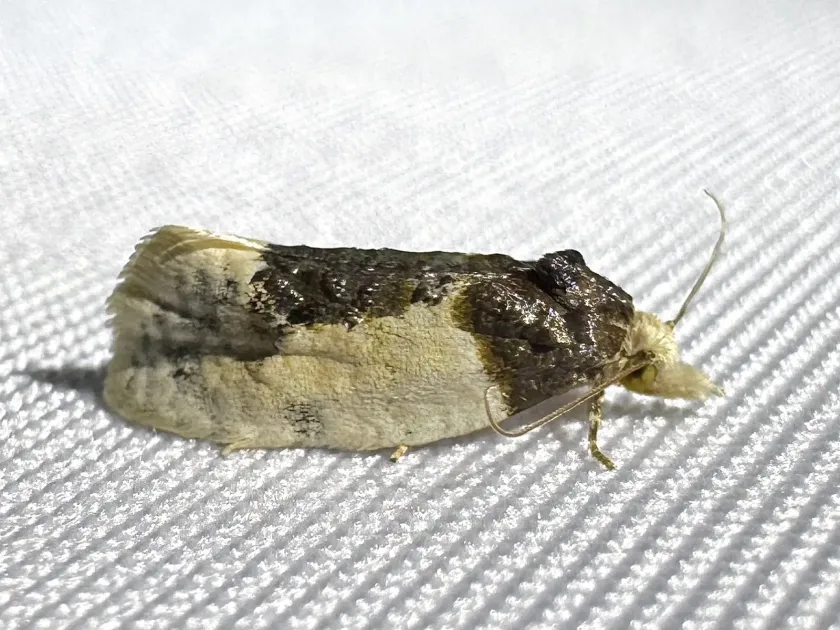
Description
How to identify
The genus Henricus belongs to the order Lepidoptera, specifically the family Tortricidae. These moths are typically small and possess protective coloring, which helps them remain inconspicuous during the day.
Systematically, these pests are closely associated with specific host plants where their larvae feed on reproductive structures. Precise identification often requires laboratory examination of adult genitalia.
Larvae (caterpillars) exhibit typical tortricid morphology, featuring a cylindrical body with well-developed thoracic legs and abdominal prolegs, facilitating movement within floral tissues.
The lifecycle includes a complete transformation: egg, larva, pupa, and adult. Each stage is strictly correlated with the phenological phases of the host plant, making timing vital for control.
Adults are largely nocturnal, showing peak activity in the evening, which necessitates the use of light or pheromone traps for effective monitoring in agricultural fields.
What it damages
This pest affects various crops, particularly favoring the Asteraceae family. Larvae consume the internal tissues of flower heads, buds, and developing seeds, causing significant physiological stress.
Economic losses are driven by the destruction of reproductive parts, resulting in reduced yields and loss of seed quality, which is critical for both agricultural and ornamental plants.
Mechanical damage caused by larvae often allows secondary pathogens, such as fungi and bacteria, to infect the plant, leading to further rotting and decay of the flower heads.
As larvae migrate between flower heads, the damage spreads rapidly across the field, even if initial infestation levels appear low to the scout.
The most severe impact occurs during the flowering stage, where the loss of internal floral organs prevents successful pollination and subsequent seed development.
When it appears
Adult emergence typically coincides with the beginning of the host plant's flowering season, ensuring the larvae have access to nutritious floral tissues upon hatching.
Depending on the climatic zone, the number of generations per year can vary, requiring localized monitoring to predict peak infestation periods accurately.
Larval activity peaks during the budding and flowering phases, when the plants are highly metabolic and provide the essential nutrients for larval growth.
Overwintering usually occurs as a larva or pupa within silken cocoons, located in the soil or in crop residues, ensuring the species survives cold periods.
Spring emergence is heavily dependent on the accumulation of degree-days, making temperature tracking a key tool for agronomists to time intervention strategies.
Signs of infestation
One of the first signs of infestation is the presence of silk webbing within the flower heads, used by larvae to pull floral parts together for protection.
The presence of frass (larval excrement) near the entrance holes of buds is a strong indicator of an active feeding population inside the flower.
Wilting, distortion of buds, or premature drying of flower parts are common visual symptoms that suggest larvae are consuming internal tissues.
Monitoring adult flight using light or pheromone traps provides early warning signs, allowing producers to apply protective measures before larvae cause irreversible damage.
Visual inspection of the field may reveal patches of damaged plants where growth is stunted and flowers fail to develop normally due to internal larval feeding.
Control measures
Agronomic practices, such as deep autumn plowing, are highly effective in disrupting the overwintering pupae and reducing the population for the next season.
Weed management is essential, as many common weeds serve as secondary hosts that maintain the population of Henricus outside the main crop cycle.
Biological control methods, particularly those utilizing Bacillus thuringiensis, offer an effective way to target young larvae without harming the ecosystem's beneficial insects.
Chemical control should be reserved for situations exceeding the economic injury level, utilizing selective insecticides applied during the critical egg-laying or larval emergence windows.
- Deep tillage to destroy overwintering sites.
- Use of pheromone traps for real-time monitoring.
- Application of selective bio-insecticides targeting young caterpillars.
Taxonomy
- Latin name
- Henricus
- Order
- Lepidoptera (butterflies)
- Family
- Tortricidae
- EPPO code
- HENRSP
Discussion
No discussions yet — be the first.