
Hemearis
Hemearis
Description
How to identify
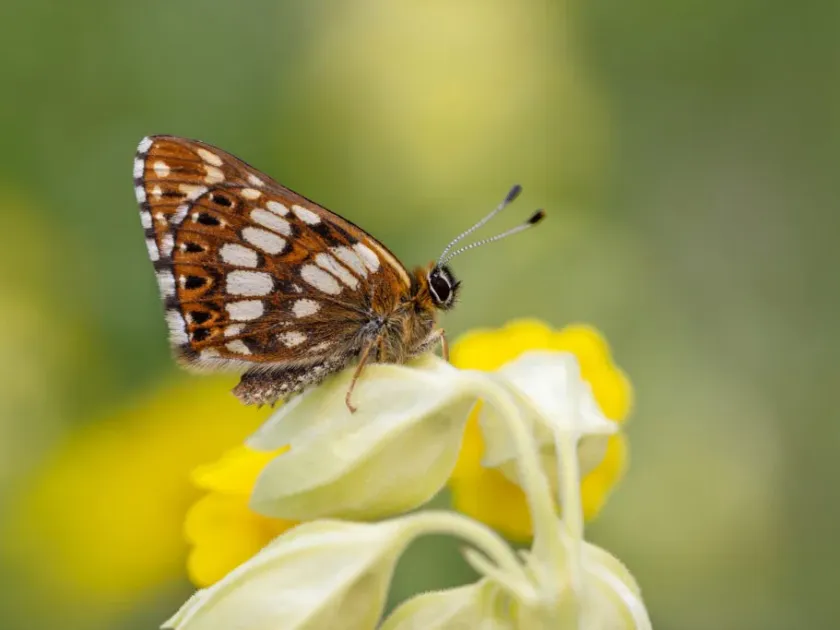
Hemearis is a genus of butterflies belonging to the Riodinidae family. These insects are known for their distinct morphology, which often includes mimicry strategies, allowing them to resemble bees or other stinging insects to deter predators.
The adults typically possess vibrant wing patterns that provide camouflage within their natural habitat. Their mouthparts are adapted for feeding on flower nectar, making them frequent visitors to various plant species during the flowering season.
The life cycle involves complete metamorphosis: egg, larva (caterpillar), pupa, and imago (adult). Each stage is carefully timed with the environmental conditions and the availability of food sources for the developing larvae.
Systematically, this genus is part of a broad group of butterflies whose larvae often exhibit myrmecophily, a mutualistic relationship with ants that provides protection from predators in exchange for sweet secretions.
Hemearis species are found in various climates, particularly in regions that provide stable conditions for both adult flight and larval development on suitable host plants.
What it damages
The primary damage is caused by the larvae, which are active phytophages. Depending on the specific species of Hemearis, they target various host plants, including ornamental species and fruit-bearing shrubs.
Larvae feed by skeletonizing leaf tissue, which drastically reduces the photosynthetic capacity of the plant. Significant loss of foliage during the growing season can lead to stunted growth and reduced overall plant health.
Feeding on young shoots and floral buds can cause developmental deformities, affecting the aesthetic value of ornamental plants and the yield potential of agricultural crops.
In cases of high population density, the cumulative impact of larval feeding can weaken the plant, making it significantly more susceptible to secondary infections, including fungal pathogens and environmental stress.
The presence of larval frass on leaves and fruits not only creates unsanitary conditions but also attracts secondary pests and facilitates the spread of plant diseases throughout the crop canopy.
When it appears
Adult activity is largely concentrated in the spring and summer months when weather conditions are favorable for mating and egg-laying. This period is carefully synchronized with the phenological stage of host plants.
Larval development typically occurs during periods of vigorous vegetative growth. The duration of the larval stage is highly sensitive to ambient temperature and humidity, which dictates the frequency of pest generations.
Overwintering usually takes place in the pupal or late-larval stage, often buried in the soil or hidden within leaf litter. This phase is critical for management, as it offers a window for preventative soil treatments.
The synchronization between the hatching of larvae and the availability of fresh foliage is essential for the survival of the species, which also allows farmers to predict infestation windows.
Monitoring the flight patterns of adult butterflies provides an early warning system for agronomists to implement control measures before larval populations reach damaging levels.
Signs of infestation
The most immediate sign of an infestation is the presence of irregular holes or skeletonized tissue on the leaves, characteristic of early-stage larval feeding behavior.
Visible deposits of larval frass on the leaf surface or around the base of the plant are reliable indicators of current pest activity and feeding pressure.
Egg clusters, often found on the undersides of leaves, are a key indicator that can be identified through regular scouting, allowing for localized interventions before widespread damage occurs.
Leaf curling or the presence of silken webbing between leaves suggests the presence of hiding larvae, which use these structures as protection from environmental conditions and natural enemies.
Increased ant activity around specific branches or leaves can be a secondary sign, as some Hemearis species maintain symbiotic relationships with ants that defend them during their larval stage.
Control measures
Integrated Pest Management (IPM) is the most effective approach, focusing on continuous monitoring and the use of targeted, environmentally friendly control methods.
Cultural practices, such as deep soil cultivation after the harvest, can significantly reduce the overwintering population by destroying pupae and larvae hidden in the ground.
Biological control agents, including microbial pesticides like Bacillus thuringiensis, are highly effective against larvae while being safe for non-target beneficial insects and pollinators.
Chemical control should be reserved for instances where the economic injury level is exceeded, prioritizing systemic or selective insecticides that minimize impact on the wider ecosystem.
- Regular field scouting to identify early egg masses
- Destruction of weeds that may host alternative generations
- Use of pheromone or light traps for adult population tracking
- Encouraging natural predators like parasitic wasps and predatory beetles
- Proper sanitation to remove plant debris that harbors overwintering stages
Taxonomy
- Latin name
- Hemearis
- Order
- Lepidoptera (butterflies)
- Family
- Riodinidae
- EPPO code
- HMERSP
Discussion
No discussions yet — be the first.