
Gypsonoma
Gypsonoma
Description
How to identify
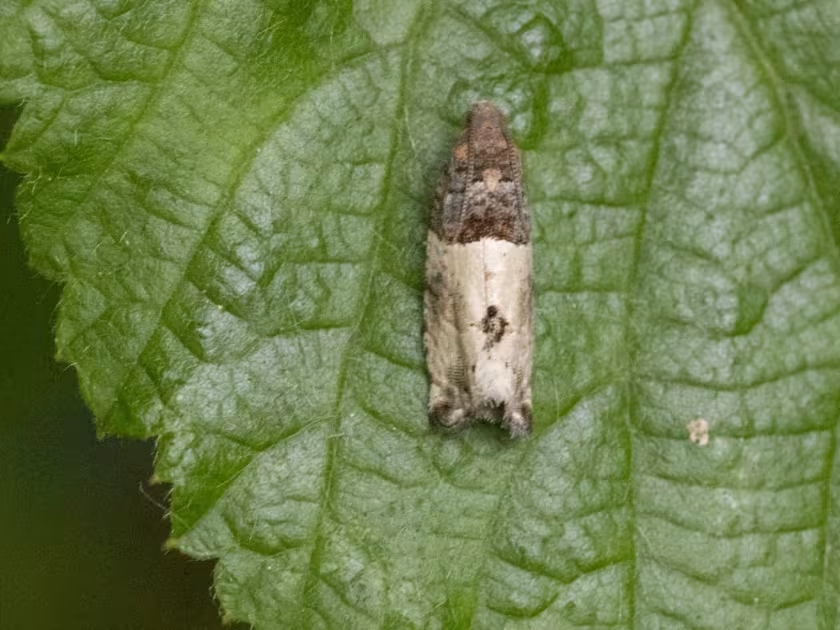
Gypsonoma is a genus of moths belonging to the Tortricidae family (leafrollers). Adult moths are small, typically with a wingspan of 12–18 mm, and possess wings with cryptic, greyish-brown patterns that help them blend into tree bark.
The larvae, or caterpillars, have cylindrical bodies that are often greenish or pinkish with a dark head capsule. They are known for being quite skittish, quickly retreating into their silken shelters when disturbed by predators or human activity.
Their life cycle consists of four distinct stages: egg, larva, pupa, and adult. Most species complete one or two generations per year, depending on the latitude and the specific climatic conditions of the area where they reside.
Overwintering usually occurs at the larval stage within dense silken cocoons hidden in bark crevices, bud scales, or protected areas among plant debris. As soon as temperatures rise in spring, they resume feeding.
Pupation takes place in the spring or early summer, either near the feeding site or in a protected location. Once the pupal stage ends, the adults emerge to mate and lay eggs on the leaves or shoots of host plants.
What it damages
Gypsonoma larvae primarily attack deciduous trees, including poplars and willows, and sometimes orchard trees. They damage buds, young leaves, and tender shoots, which significantly hampers the normal development of the plant.
Feeding damage often involves skeletonizing leaves or rolling them into tight tubes held together by silk webbing. This destruction interferes with photosynthesis and can cause premature leaf drop, weakening the tree's health.
In forest nurseries, damage to apical buds can cause permanent deformations, such as crooked stems or stunted growth, which reduces the market value of the saplings and compromises their aesthetic appeal.
Mass infestations can result in extensive defoliation of entire tree stands. Such high pest pressure not only damages current growth but also stresses the trees, making them susceptible to secondary infections and opportunistic diseases.
The economic impact of Gypsonoma is particularly noted in silviculture, as repeated annual damage can lead to growth delays over several years, impacting the yield and quality of timber or wood products.
Signs of infestation
The first sign of an infestation is often the presence of damaged, unopened buds in early spring. Later in the season, rolled or webbed leaves become visible, which may appear discolored or necrotic due to the larvae feeding inside.
The accumulation of larval frass (excrement) on the leaves or webs is a clear indicator that caterpillars are actively feeding nearby. In severe cases, the webbing between shoots and leaves is easily visible to the naked eye.
Control measures
Cultural control is a cornerstone of management, involving the removal and destruction of leaf litter and infested plant debris during late autumn to reduce the number of overwintering larvae in the vicinity.
Biological control relies on encouraging local bird populations and natural predators like parasitoid wasps that hunt leafroller larvae. Applying microbial pesticides based on naturally occurring bacteria can also be highly effective.
Chemical control should be timed to coincide with the emergence of larvae from their winter shelters or the egg-hatching phase. Using selective insecticides helps minimize harm to non-target beneficial insects while managing the population.
Monitoring using pheromone traps is recommended to track adult flight periods. This data allows growers to apply treatments only when necessary, maximizing efficiency while reducing the total amount of chemicals used.
Sanitary pruning of infested shoots during the growing season can serve as a non-chemical method to lower the pest density in young plantations, ensuring that the infestation does not spread further through the grove.
Taxonomy
- Latin name
- Gypsonoma
- Order
- Lepidoptera (butterflies)
- Family
- Tortricidae
- EPPO code
- GYPSSP
Discussion
No discussions yet — be the first.