
Gymnandrosoma
Gymnandrosoma
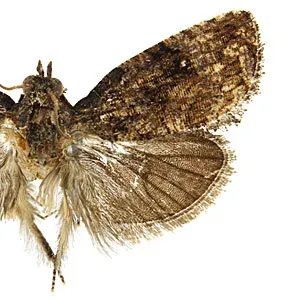
Description
How to identify
Gymnandrosoma is a genus of moths belonging to the family Tortricidae. These insects are known as significant agricultural pests in various tropical and subtropical regions worldwide, particularly affecting fruit-bearing trees.
Adult moths are typically small and cryptic, with brownish or gray-mottled wings that provide excellent camouflage against tree bark. They belong to the order Lepidoptera and share common developmental traits with other leafroller moths.
The life cycle of the insect consists of four stages: egg, larva, pupa, and adult. The larval stage is the most critical in terms of agricultural damage, as it is during this phase that the pest feeds on plant tissues.
Identification of specific species within the genus often requires examination of genitalia due to the high morphological similarity between closely related members of the Olethreutinae subfamily.
These moths are highly specialized, often selecting specific hosts where their larvae can thrive once they penetrate the fruit surface.
What it damages
Gymnandrosoma species are notorious for being fruit borers. The larvae target citrus crops, cocoa, and various other tropical fruits, tunneling deep into the pulp to feed.
This internal feeding habit leads to direct damage to the fruit's structure, causing it to rot from the inside out and often resulting in premature fruit drop before harvest.
The entrance holes created by the larvae serve as entry points for secondary pathogens, such as fungi and bacteria, which exacerbate the damage and ruin the entire fruit.
In commercial orchards, infestation by this pest causes severe economic losses, as damaged fruits cannot be sold for fresh consumption or processed for juice extraction.
The presence of larvae also interferes with the natural maturation process of the fruit, leading to stunted growth or complete destruction of the crop yield.
When it appears
The activity of Gymnandrosoma is highly dependent on ambient temperature and host availability. In tropical environments, the pest can remain active year-round, resulting in overlapping generations.
Developmental rates accelerate in warmer conditions, leading to faster life cycle completion and a higher frequency of infestations throughout the growing season.
Larval infestation typically peaks during the fruit development phase, when the skin of the fruit is still soft enough for the young larvae to chew through it.
During less favorable seasons, the pest may survive by entering a period of dormancy, often as pupae hidden within soil particles or plant debris on the orchard floor.
Monitoring seasonal patterns is essential, as the timing of control measures must coincide with the peak egg-laying and larval emergence periods.
Signs of infestation
The most reliable indicator of an infestation is the presence of frass (larval excrement) combined with fruit juice at the site where the larva has entered the fruit.
- Darkened, sunken spots on the rind of the fruit.
- Premature yellowing and dropping of young fruit.
- Presence of extensive tunneling within the fruit pulp.
- Visible rot developing around the larval entry point.
Advanced signs of damage include irregular fruit shape or abnormal ripening, which occur due to internal tissue destruction caused by the feeding larvae.
Growers often deploy pheromone-baited traps to detect the presence of adult moths and estimate population levels, allowing for targeted intervention.
Control measures
Chemical control focuses on the application of systemic insecticides at the timing of adult flight, specifically targeting eggs or neonate larvae before they penetrate the fruit.
Biological control strategies include the use of natural enemies, such as parasitic wasps, which can help keep populations at a manageable level in integrated pest management programs.
Sanitation is a critical cultural practice; gathering and destroying fallen fruit prevents larvae from completing their life cycle and pupating in the soil.
Proper orchard management, including thinning of the canopy and pruning, improves the effectiveness of spray applications and reduces the micro-habitats favored by the pest.
Strict quarantine measures are vital for preventing the spread of these moths to non-infested areas through the international trade of raw fruit products.
Taxonomy
- Latin name
- Gymnandrosoma
- Order
- Lepidoptera (butterflies)
- Family
- Tortricidae
- EPPO code
- GMNDSP
Discussion
No discussions yet — be the first.