
Diving beetle
Graphoderus
Description
How to identify
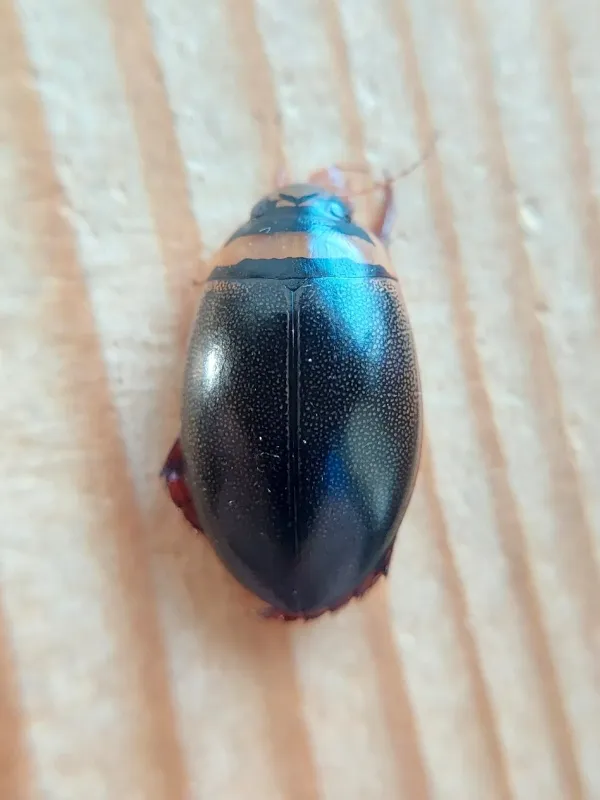
The diving beetle (genus Graphoderus) is an aquatic beetle belonging to the family Dytiscidae, order Coleoptera. Adult beetles are streamlined and oval-shaped, typically measuring 14–17 mm in length, with distinctive yellow or brown markings on the elytra.
Larvae are fierce aquatic predators, equipped with powerful sickle-shaped mandibles designed for piercing and grasping prey. They possess a long, segmented body and are highly mobile within the water column.
The legs of these beetles are specialized for swimming, featuring dense rows of hairs that act as oars, allowing for agile movement and rapid hunting maneuvers.
They prefer standing or slow-moving water bodies, especially those with abundant aquatic vegetation that provides cover and hunting grounds.
Adult beetles must surface periodically to breathe atmospheric air, which they store as a bubble beneath their elytra before submerging again.
What it damages
While not a threat to traditional crops, the diving beetle is a significant pest in aquaculture, particularly in fish nurseries and fry ponds.
The larvae actively prey on fish fry, often causing high mortality rates among carp and other commercially important species during their early development stages.
Adult beetles also pose a threat to larger fish by inflicting skin wounds, which frequently become sites for secondary bacterial or fungal infections.
High populations of Graphoderus in nursery ponds can significantly reduce the yield of fry, leading to substantial economic losses for fish farms.
Furthermore, they compete with fish for food, feeding on zooplankton and small aquatic invertebrates that are essential for the growth of young fish.
When it appears
Activity begins in early spring as water temperatures rise, with adult beetles emerging from hibernation to find mates.
The peak period of damage from larvae occurs in late spring and early summer, coinciding precisely with the rearing season for fish fry.
Adults of the new generation may take flight during summer nights to migrate and colonize new water bodies, spreading the infestation.
Activity gradually declines as autumn approaches, signaling the transition toward overwintering phases in the pond environment.
During winter, the beetles move into the bottom sediment of the pond, entering a state of dormancy until the following spring.
Signs of infestation
Visible signs of presence include adult beetles surfacing for air, particularly on calm days when the water surface is still.
Fish fry in infested ponds may exhibit erratic swimming patterns, signs of distress, or visible lacerations on their bodies.
Physical evidence of the pest can be collected by using fine-mesh nets to sweep the water and examine the contents for beetles and larvae.
A noticeable decrease in zooplankton populations, despite healthy water conditions, may indicate a predatory infestation by diving beetles.
The observation of eggs deposited on the stems of aquatic macrophytes confirms that the population is actively breeding in the facility.
Control measures
The most effective management practice involves draining and drying the pond bed during winter to eradicate overwintering populations.
Mechanical removal of dense aquatic weeds is essential to eliminate egg-laying sites and reduce hiding spots for the predatory larvae.
Physical barriers, such as fine-mesh screens installed at water inlets, can prevent adult beetles from entering critical fry rearing zones.
Biological control can be enhanced by stocking ponds with fish species capable of consuming the larvae, though this must be balanced with fry safety.
- Liming the pond bottom during the off-season.
- Regular monitoring and removal of adult beetles using hand nets.
- Maintaining water quality to support healthy fry growth and resilience.
Taxonomy
- Latin name
- Graphoderus
- Order
- Coleoptera (beetles)
- Family
- Dytiscidae
- EPPO code
- GPDRSP
Discussion
No discussions yet — be the first.