
Gluvia dorsalis
Gluvia dorsalis
Description
How to identify
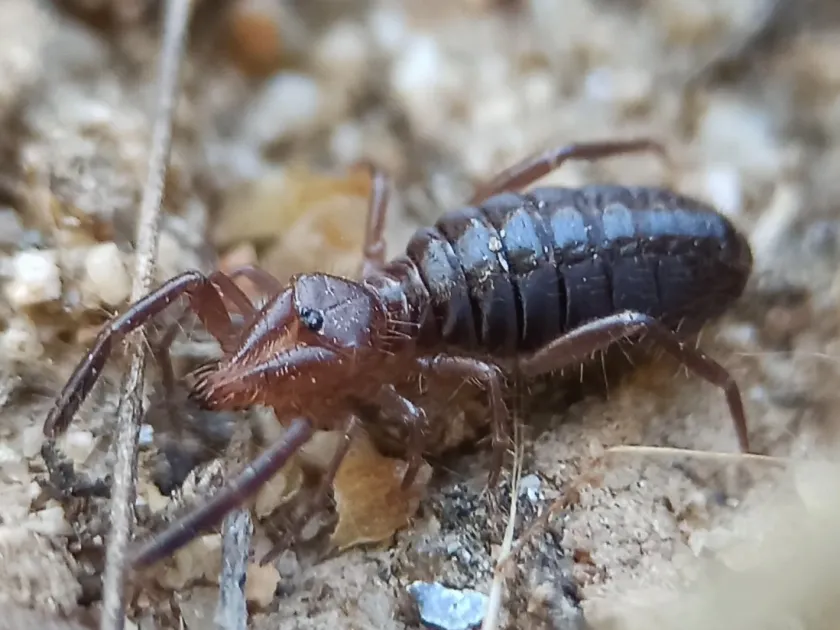
Gluvia dorsalis belongs to the order Solifugae, commonly known as camel spiders or sun spiders, and the family Daesiidae. It is a robust arachnid characterized by large, powerful chelicerae used for grasping and tearing.
These creatures have a segmented body covered with stiff setae, which provide them with sensory information about their environment. Their coloration typically ranges from tan to sandy brown, offering excellent camouflage in arid soil habitats.
Unlike true spiders, they lack venom glands, but their mechanical bite is strong enough to cause significant damage to soft plant tissues and stems.
They are primarily nocturnal animals, spending their daylight hours hidden in deep burrows or beneath organic debris to avoid desiccation.
The life cycle involves multiple larval stages, with females laying eggs in protected soil chambers to ensure the survival of offspring during harsh climatic conditions.
What it damages
Gluvia dorsalis acts as an occasional pest in arid agricultural zones. It is particularly damaging to young seedlings and plants that have recently been transplanted.
The primary form of damage involves the severing of young stems at the soil line, which often leads to the total collapse and death of the plant within a very short time.
In addition to stems, these pests have been known to feed on fruits, such as melons or pumpkins, that are in direct contact with the soil surface.
Feeding creates large, jagged, and irregular holes in the fruit, which often invites secondary infections from bacteria and fungi, spoiling the harvest.
Damage is typically patchy and occurs most frequently in fields adjacent to uncultivated land where the pest populations are naturally high.
When it appears
The peak activity of Gluvia dorsalis is strictly tied to high summer temperatures and low soil humidity levels, which drive them to forage for food and moisture.
They are strictly nocturnal, emerging from their shelters at dusk to patrol the surface of the soil, covering significant ground in search of prey or plants.
As summer progresses, the demand for water and nutrients increases, leading to higher instances of crop damage during the hottest months of the year.
By the time autumn approaches and temperatures drop, these arachnids withdraw into deeper soil layers to hibernate through the winter.
Effective management requires increased surveillance during the peak heatwaves, as this is when the pests are most desperate and visible.
Signs of infestation
The most diagnostic sign of an infestation is the presence of neatly severed seedlings on the field, which may look as if they were cut with a small blade.
Careful inspection of the soil near damaged plants often reveals the presence of small, circular entrance holes leading to subterranean burrows.
Gardeners and farmers may spot individuals active on the surface at night, as they are not deterred by small amounts of light.
Stunted growth or sudden wilting of previously healthy crops can be an indication that the roots or base of the stems are being subjected to mechanical feeding.
In fruit-bearing crops, the presence of localized, deep, and irregular bites on the underside of fruits serves as a clear indicator of their presence.
Control measures
Control strategies for Gluvia dorsalis focus on physical disturbance and the modification of their environment to make it less hospitable.
- Deep autumn plowing of fields to collapse burrows and expose the pests to extreme cold and predators.
- Consistent tillage of the soil surface between rows to break up nesting sites and discourage movement.
- Keeping the field and surrounding borders free from large organic debris that serves as daytime shelter.
- Applying protective collars around young seedlings to prevent physical access to the stems.
- Light trapping during the early summer season to help reduce the population of active adults before they lay eggs.
Taxonomy
- Latin name
- Gluvia dorsalis
- Family
- Daesiidae
- EPPO code
- GLUVDO
Discussion
No discussions yet — be the first.